California homeowners are increasingly facing two major energy challenges: rising electricity costs and frequent power outages. Whether it’s due to wildfire-related shutoffs, grid instability, or extreme weather events, relying entirely on the utility grid is becoming less reliable.
At the same time, recent policy changes, especially the shift to NEM 3.0, have changed how solar energy delivers financial value. Today, it’s not just about generating electricity, but about how and when you use it.
This is where home battery systems come into play. A properly designed battery system can help you reduce electricity costs, improve energy independence, and provide reliable backup during outages. However, choosing the right system requires a clear understanding of your needs, the technology, and how California’s energy policies impact your decision.
Why Batteries Are Important in California (NEM 3.0 + Outages)
The introduction of NEM 3.0 has fundamentally changed the economics of solar energy in California. Under earlier policies, homeowners could export excess solar energy to the grid and receive strong financial credits. This made solar-only systems highly effective.
Under NEM 3.0, those export credits have dropped significantly. This means that sending unused solar energy back to the grid is no longer as financially beneficial as it once was. Instead, the focus has shifted toward self-consumption, which means using the energy you generate rather than exporting it.
A battery enables this shift by storing excess solar energy during the day and making it available during peak hours when electricity rates are highest. This allows homeowners to avoid purchasing expensive electricity from the grid, improving overall savings*. If your main priority is lowering your monthly utility expenses, read our step-by-step breakdown on how to reduce your PG&E electricity bill with a battery energy storage system under NEM 3.0 rules.
At the same time, California continues to experience planned and unplanned power outages. A battery system provides backup power for essential appliances, helping homeowners maintain comfort and safety during these disruptions.
In today’s energy landscape, batteries are no longer just a backup solution-they are a key component of an optimized energy strategy.
Technical Factors to Consider When Choosing a Battery
Understanding the technical aspects of a battery system is essential for making an informed decision. These factors directly influence how well the system performs and how much value it delivers over time.
Battery Capacity (kWh)
Battery capacity determines how much energy the system can store. Larger capacity systems can support more appliances and provide longer backup durations. The right size depends on your household’s daily energy consumption and how much energy you want to store for later use.
Power Output (kW)
Power output refers to how much electricity the battery can deliver at a given moment. This is particularly important if you plan to run high-power appliances such as air conditioners, electric ovens, or pumps. A system with insufficient power output may not be able to handle multiple heavy loads simultaneously.
Battery Lifespan and Warranty
Most modern home batteries are designed to last between 10 and 15 years. Manufacturers typically provide warranties based on time or charge cycles. A longer lifespan and strong warranty coverage indicate better long-term reliability.
Charging Time and Performance
Charging time determines how quickly your battery can store energy, whether from solar panels or the grid. Faster charging can be beneficial in situations where energy availability is limited or variable.
Round-Trip Efficiency (RTE)
Round-trip efficiency measures how much energy you get back compared to what you put into the battery. Higher efficiency means less energy loss during storage and retrieval, which directly impacts overall system performance and savings.
Top Home Battery Options for California Homeowners
Several battery systems are widely used in California, each offering different advantages depending on your goals.
Tesla Powerwall
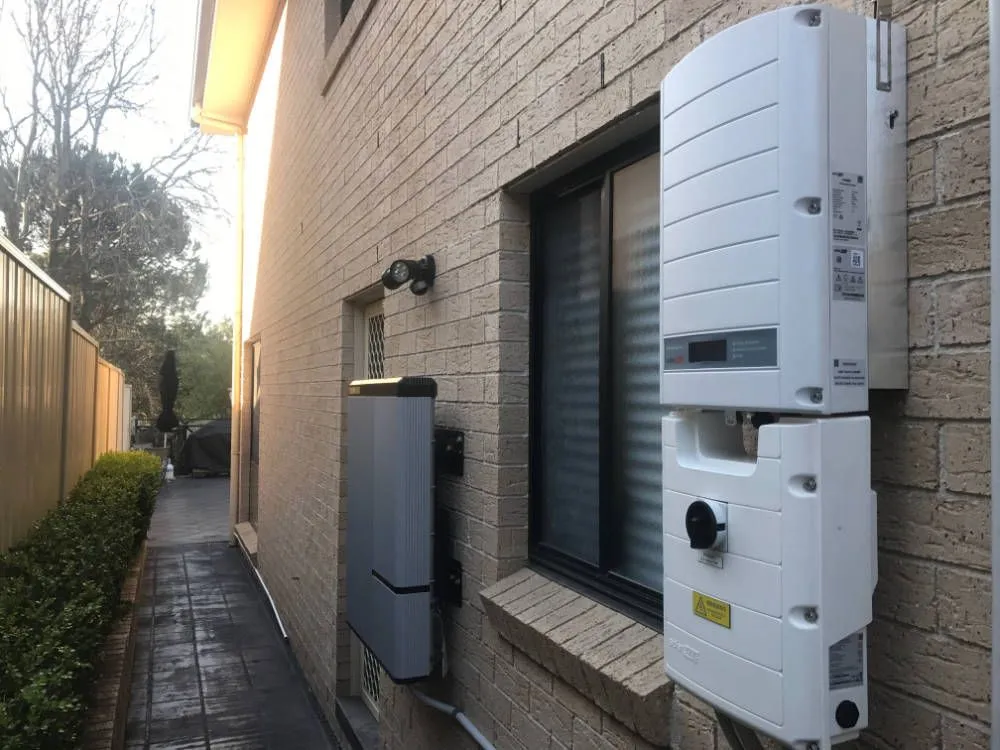
The Tesla Powerwall is one of the most popular residential battery systems. It is designed as an all-in-one solution that combines storage, backup capability, and smart energy management.
It is particularly suitable for homeowners who want a seamless system that can support both cost savings and whole-home backup during outages. Its ability to integrate with solar systems and operate efficiently during peak demand periods makes it a strong choice under NEM 3.0.
Enphase Encharge
The Enphase Encharge system is known for its modular design and flexibility. It integrates directly with Enphase microinverters, making it an excellent choice for homeowners who already use or plan to install Enphase solar systems.
Its scalability allows homeowners to start with a smaller system and expand over time, which can be helpful for managing upfront costs while still planning for future energy needs.
Which Battery Should You Choose?
Choosing between battery systems is not about selecting the “best” product universally-it’s about identifying which system aligns with your specific requirements.
The Tesla Powerwall is typically a better fit for homeowners who want a high-capacity, all-in-one solution with strong backup capabilities and a streamlined installation process. It works well for those looking for simplicity and reliability in a single package.
On the other hand, the Enphase Encharge is ideal for homeowners who prioritize flexibility and modular expansion. If your solar system already uses Enphase microinverters, this option provides seamless integration and allows you to scale your battery capacity as your energy needs evolve.
The right choice ultimately depends on:
- Your existing solar setup
- Your backup requirements
- Your long-term energy goals
- Your budget and expansion plans
What Size Battery Do You Need for Your Home?
Determining the right battery size is one of the most important steps in system design. An undersized system may not provide sufficient backup or savings, while an oversized system may increase costs without delivering proportional value.
The ideal battery size depends on several factors:
- Daily energy consumption (kWh)
- Peak-hour usage patterns
- Number of appliances you want to power during outages
- Whether you want a partial or full-home backup
For example, a homeowner who only wants to power essential loads such as lighting, refrigeration, and internet may require a smaller system. In contrast, a homeowner looking for full-home backup, including HVAC systems, will need a significantly larger capacity or multiple batteries.
A proper analysis of your electricity usage data is essential to determine the optimal system size. Selecting the right capacity requires analyzing your daily energy usage and peak consumption hours. Working with experts in custom battery storage system design and installation ensures your storage capacity perfectly balances emergency backup needs with maximum financial return.
How Much Does a Home Battery Cost in California?
The cost of a home battery system in California can vary depending on the size, brand, installation complexity, and integration with solar systems.
In most cases, homeowners can expect:
- Typical cost range: $10,000 to $18,000 per battery system
- Additional costs may apply for installation, electrical upgrades, and system configuration.
While the upfront investment can be significant, it’s important to evaluate the long-term value.
Savings come from:
- Avoiding high peak-hour electricity rates
- Increasing self-consumption of solar energy
- Reducing reliance on grid electricity
In addition, incentives such as the Self-Generation Incentive Program (SGIP) and the federal tax credit can help offset installation costs, improving the overall return on investment.
Frequently Asked Questions (FAQs)
How do I choose the right home battery system?
Choosing the right battery system involves evaluating your energy usage patterns, backup needs, and budget. It’s important to consider both technical specifications and how the system will integrate with your existing or planned solar setup. A tailored approach based on your specific requirements will always deliver better results than a one-size-fits-all solution.
How much battery capacity do I need for my home?
The required battery capacity depends on how much energy you use daily and how much of that energy you want to store or use during outages. Homes with higher energy consumption or full-home backup goals will require larger systems, while smaller systems can be sufficient for essential loads.
Is a home battery worth it in California under NEM 3.0?
Under NEM 3.0, the financial value of exporting solar energy has decreased significantly. A battery allows you to store excess energy and use it during peak hours, which improves savings and makes the overall system more efficient. For many homeowners, this makes battery storage a valuable investment.
Can a battery power my entire home?
A battery can power an entire home if the system is sized appropriately. Larger systems or multiple batteries are required for full-home backup, while smaller systems are typically configured to support essential loads during outages.
How long do home batteries last?
Most home batteries are designed to last between 10 and 15 years. The lifespan depends on usage patterns, environmental conditions, and system quality. Manufacturers typically provide warranties that ensure performance over a specified period.
Conclusion
Choosing the right home battery system in California requires more than just comparing products. With the impact of NEM 3.0, rising electricity costs, and increasing power outages, the decision now involves understanding how energy is generated, stored, and used within your home.
A well-designed battery system can provide long-term savings, improved reliability, and greater control over your energy usage. However, achieving these benefits depends on selecting the right system and sizing it correctly based on your needs.
At Nabu Energy, we help homeowners navigate these decisions by designing customized solar and battery solutions tailored to their energy usage and goals. If you’re looking to make a confident and informed decision, a personalized evaluation is the best place to start.