Solar Panel Maintenance Tips have become increasingly important as more California homeowners invest in rooftop solar systems for long-term energy savings and energy independence. While solar panels are designed to operate for decades, environmental conditions such as dust, tree shading, bird droppings, coastal moisture, and airborne pollutants can gradually reduce system efficiency if maintenance is ignored.
In Bay Area cities such as San Jose, Fremont, and Oakland, many homeowners assume solar systems are completely maintenance-free after installation. In reality, regular inspections, cleaning, inverter monitoring, and roof evaluations play a major role in maintaining energy production and protecting system longevity. Even minor issues such as debris buildup or loose electrical connections can affect overall performance over time.
Understanding how to maintain a solar system properly helps homeowners improve solar panel efficiency, reduce avoidable wear, and identify problems before they become expensive repairs. This guide explains practical solar panel maintenance strategies, what homeowners should monitor, and when professional service may be necessary.
Why Solar Panel Maintenance Matters in California
Solar panel maintenance is necessary because environmental buildup and equipment wear can gradually reduce solar energy production over time. California’s climate provides excellent solar conditions, but it also exposes rooftop systems to dust accumulation, pollen, wildfire ash, bird activity, and seasonal debris.
Solar panels operate by absorbing sunlight and converting it into electricity. When dirt or debris blocks sunlight from reaching photovoltaic cells, the panels produce less electricity. This reduction may appear small at first, but long-term neglect can affect overall system efficiency and system lifespan.
In regions such as the Bay Area, coastal moisture and urban pollution can also create residue buildup on solar panels. Homes located near trees often experience additional shading and leaf accumulation, especially during seasonal weather changes.
Organizations such as the National Renewable Energy Laboratory (NREL) continue studying solar panel degradation and long-term performance factors. While most systems are highly durable, consistent maintenance remains one of the most effective ways to protect long-term energy production and system reliability.
In summary, regular maintenance helps homeowners maintain solar efficiency, reduce preventable damage, and improve long-term system performance.
How Dirt and Debris Affect Solar Panel Efficiency
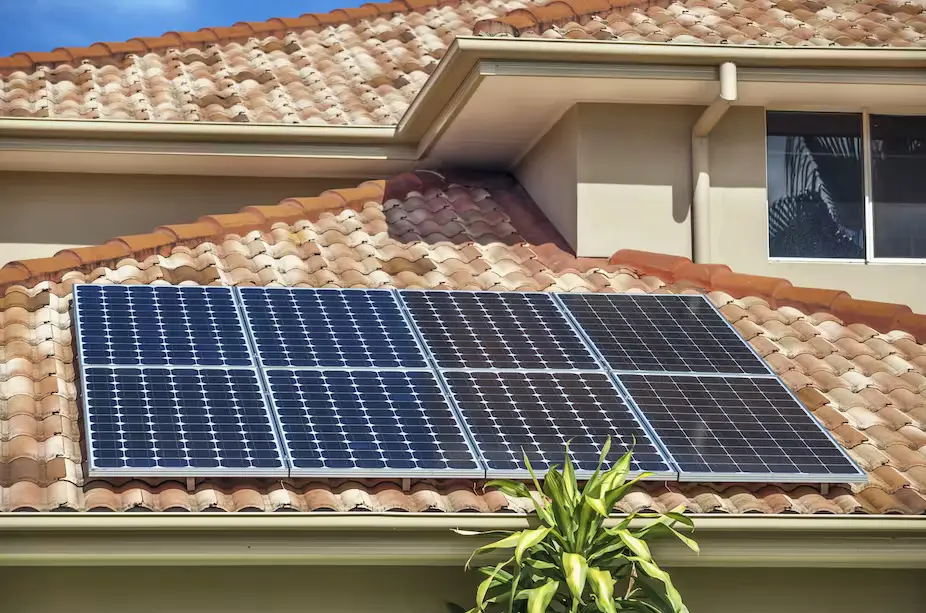
Dirt, dust, leaves, and bird droppings can reduce solar panel efficiency by limiting sunlight exposure. Solar panels depend on direct sunlight to generate electricity, so any obstruction on the panel surface affects energy production.
In California, rooftop solar systems often collect airborne dust during dry seasons. Homes near construction zones, highways, or agricultural areas may experience faster accumulation of debris. Coastal regions may also see salt residue buildup caused by ocean air exposure.
Bird droppings present another challenge because they can create concentrated blockage areas that reduce production on individual solar cells. In some cases, heavy buildup may also create uneven panel heating, which can stress system components over time.
Tree shading is equally important. Even partial shading during peak sunlight hours can significantly reduce solar output because solar panels function as connected electrical circuits. One shaded section may influence the performance of surrounding panels.
Homeowners in cities such as Fremont and Oakland should periodically inspect rooftop systems for environmental buildup, especially after storms, wildfire events, or seasonal leaf accumulation.
How Often Solar Panels Should Be Maintained
Most residential solar systems benefit from maintenance inspections at least once or twice per year. However, the ideal maintenance schedule depends on local environmental conditions, roof angle, nearby vegetation, and regional pollution levels.
Homes located in dusty inland areas may require more frequent cleaning compared to homes that experience regular rainfall. Similarly, properties surrounded by large trees often need additional inspections because leaves and branches can create shading problems.
Monitoring energy production is one of the most effective ways to identify maintenance needs. Many modern solar systems include monitoring software that tracks electricity generation in real time. Sudden performance drops may indicate dirt buildup, inverter problems, or electrical issues.
Homeowners should also inspect systems after severe weather events such as windstorms or heavy rain. California’s changing climate conditions can occasionally damage mounting hardware, roof flashing, or electrical connections.
Overall, maintenance schedules should be based on system conditions rather than a fixed calendar alone.
Essential Solar Panel Cleaning Tips
Proper solar panel cleaning helps maintain sunlight exposure while reducing unnecessary wear on the panel surface. Homeowners should use non-abrasive cleaning materials and avoid harsh chemicals that could damage protective coatings.
A soft brush, microfiber cloth, or low-pressure water rinse is generally sufficient for removing dust and light debris. Cleaning should ideally occur during cooler parts of the day because spraying cold water onto hot panels may create thermal stress.
Homeowners should avoid walking directly on solar panels because pressure can damage photovoltaic cells or mounting hardware. Safety is especially important for steep or multi-story roofs, where professional maintenance may be safer than DIY cleaning.
Tree trimming also plays a major role in preventative solar maintenance. Branch growth that creates new shading patterns can gradually reduce energy production if left unmanaged.
For many Bay Area homeowners, preventative cleaning and shading management are often more effective than waiting for noticeable performance loss before taking action.
Solar Inverter Maintenance and Monitoring
Solar inverter maintenance is important because the inverter controls how solar electricity is converted and used within the home. The inverter converts direct current (DC) electricity generated by solar panels into alternating current (AC) electricity used by household appliances.
Many inverter systems include cooling vents or fans that require periodic cleaning to prevent overheating. Dust accumulation around inverter equipment can reduce airflow and affect operational stability.
Monitoring software helps homeowners track energy production trends and detect irregular system behavior. If energy generation suddenly decreases despite normal weather conditions, the inverter may require inspection.
Some inverters display warning codes or fault notifications when electrical issues occur. Homeowners should review these alerts promptly instead of assuming the system will correct itself automatically.
Nabu Energy supports homeowners across California with solar system evaluations and performance monitoring guidance designed to help maintain long-term residential solar efficiency.
Roof Maintenance and Structural Considerations
Roof maintenance directly affects solar panel stability and long-term system reliability. A damaged roof can create water intrusion risks around mounting hardware and electrical penetrations.
Before installing solar panels, roofing materials should be evaluated for age and structural condition. However, maintenance does not end after installation. Homeowners should continue monitoring shingles, flashing, drainage systems, and surrounding roof areas for wear.
Blocked gutters may also create water pooling near mounting points, increasing long-term moisture exposure. In some cases, roof damage unrelated to the solar system may still affect solar equipment stability if ignored for too long.
California homeowners should also monitor for pest activity beneath rooftop systems. Birds and rodents occasionally build nests under solar panels, potentially affecting wiring integrity.
In summary, roof maintenance and solar maintenance should be treated as connected responsibilities rather than separate home systems.
Weather Risks and Environmental Factors in California
California weather conditions can affect solar panel performance and long-term durability. Wildfire ash, seasonal heatwaves, coastal humidity, and occasional hailstorms may all influence maintenance requirements.
Wildfire smoke and ash can create thin residue layers that reduce sunlight absorption. During periods of heavy smoke exposure, homeowners may notice temporary reductions in solar energy production even without visible panel damage.
Extreme heat can also affect inverter efficiency because electrical equipment operates best within specific temperature ranges. While solar panels are designed for outdoor conditions, long-term exposure to excessive heat may slightly reduce operational efficiency over many years.
Coastal regions in California may experience faster corrosion around exposed metal components because of salt-heavy air conditions. Homes closer to the ocean often require more frequent inspections of mounting hardware and electrical connections.
Homeowners should evaluate environmental conditions specific to their location instead of assuming all California solar systems face identical maintenance requirements.
Professional Solar Panel Maintenance vs DIY Cleaning
Professional solar maintenance offers advantages for homeowners with large systems, steep roofs, or difficult-to-access installations. Professional technicians use specialized equipment and can identify issues that may not be visible during basic homeowner inspections.
DIY maintenance may be suitable for simple visual inspections and light surface cleaning when roof access is safe. However, homeowners should avoid electrical repairs or inverter servicing without professional experience.
Professional maintenance inspections often include thermal imaging, electrical testing, wiring inspections, and detailed production analysis. These services may help identify hidden issues before they affect long-term performance.
Nabu Energy works with California homeowners seeking residential solar maintenance guidance, system evaluations, and long-term performance support for rooftop solar systems throughout the Bay Area.
Actual maintenance requirements vary depending on system size, environmental exposure, roof complexity, and system age.
Real-World Scenario: Fremont Homeowner Maintenance Example
A homeowner in Fremont noticed that their rooftop solar system was producing less electricity during the summer months despite clear weather conditions. The homeowner initially assumed the issue was related to seasonal utility rate changes.
During a maintenance inspection, technicians identified heavy dust accumulation combined with partial tree shading that had gradually increased over several years. The homeowner also discovered reduced airflow around the inverter because nearby storage items blocked the ventilation space.
After professional cleaning, tree trimming, and inverter area adjustments, the system returned to more stable production levels. The homeowner also began using solar monitoring software more consistently to track performance trends and identify future maintenance needs earlier.
This example shows how multiple small maintenance issues can combine to affect overall solar system efficiency over time.
Who Should Consider This and Who Should Not
Who Should Prioritize Regular Solar Maintenance
Regular solar maintenance is especially important for homeowners living in dusty environments, tree-covered neighborhoods, coastal areas, or wildfire-prone regions. Homes with older solar systems or declining energy production should also schedule periodic inspections.
Homeowners in San Jose, Fremont, and Oakland who rely heavily on rooftop solar systems for household energy management may benefit from ongoing monitoring and preventative maintenance planning.
Who May Need Less Frequent Maintenance
Homes with minimal tree exposure, lower pollution levels, and naturally rain-cleaned roof surfaces may require less frequent cleaning. However, even low-maintenance systems still benefit from periodic inspections to verify wiring integrity and inverter performance.
Homeowners should avoid assuming solar systems are entirely maintenance-free simply because energy production appears stable during certain seasons.
Risks and Limitations Homeowners Should Understand
Solar maintenance improves long-term system performance, but it cannot eliminate all performance decline or environmental wear. Solar panels naturally experience gradual efficiency degradation over decades of operation.
Improper cleaning methods may also damage panel coatings or create safety hazards. Using abrasive tools, harsh chemicals, or excessive pressure can shorten equipment lifespan instead of improving performance.
Monitoring software may not detect every issue immediately, especially if problems develop gradually. Some electrical faults or shading losses may require professional diagnostic testing to accurately identify.
Homeowners should approach maintenance as part of long-term solar ownership rather than expecting occasional cleaning alone to solve all performance concerns.
Solar Maintenance Comparison Table
| Panel Cleaning | Improves sunlight absorption | Use soft cleaning materials |
| Tree Trimming | Reduces shading loss | Trim branches seasonally |
| Inverter Maintenance | Prevents overheating | Keep vents clean and unobstructed |
| Roof Inspection | Protects mounting integrity | Check for roof damage regularly |
| Monitoring Software | Tracks system performance | Review production trends monthly |
| Professional Inspection | Identifies hidden issues | Schedule periodic evaluations |
FAQs
How often should solar panels be cleaned in California?
Most California homeowners should inspect solar panels several times per year and clean them when noticeable dirt, pollen, or debris accumulates. Homes near trees, construction zones, or wildfire-prone regions may require more frequent maintenance because environmental buildup can reduce solar efficiency over time.
Can dirty solar panels reduce energy production significantly?
Yes, dirt and debris can reduce solar energy production by limiting sunlight absorption. Bird droppings, dust buildup, and partial shading may affect panel performance differently depending on roof angle, climate conditions, and the severity of buildup across the system.
Is professional solar panel maintenance necessary?
Professional maintenance is often recommended for systems installed on steep roofs, large homes, or properties with difficult roof access. Professional inspections can also identify electrical issues, inverter problems, or hidden wiring concerns that may not be visible during routine homeowner inspections.
Does solar panel maintenance affect warranty coverage?
Many solar manufacturers recommend ongoing maintenance and inspection practices to maintain warranty eligibility. Ignoring visible damage, electrical issues, or improper cleaning methods could affect warranty claims, depending on the manufacturer’s terms and installation conditions.
Conclusion
Solar Panel Maintenance Tips play an important role in protecting long-term solar system performance, efficiency, and operational safety. While solar systems are designed for durability, environmental conditions across California can gradually affect energy production if routine maintenance is ignored.
Homeowners in the Bay Area and throughout California should view solar maintenance as an ongoing part of system ownership rather than a one-time responsibility. Regular cleaning, inverter monitoring, roof inspections, and professional evaluations can help identify issues early and support more stable long-term performance.
Nabu Energy continues supporting California homeowners with residential solar expertise, system evaluations, and guidance focused on maintaining efficient rooftop solar systems under changing environmental and utility conditions.