Introduction to the Inflation Reduction Act (IRA)
The Inflation Reduction Act (IRA) introduced significant federal incentives for residential clean energy, but subsequent federal legislation changed the availability of several of these incentives beginning in 2026. Homeowners considering solar and battery storage should understand which federal incentives remain available and which residential credits have ended.
Whether you’re looking for solar installation companies near the Bay Area, exploring home battery storage installation in the Bay Area, or simply trying to understand how federal policy may affect your energy decisions, this guide provides an overview of the key changes homeowners should know.
To understand current local costs, permitting steps, and equipment requirements, read our complete guide to solar panel installation in California.
Tax Credits and Benefits for Homeowners
Residential Clean Energy Property Credit
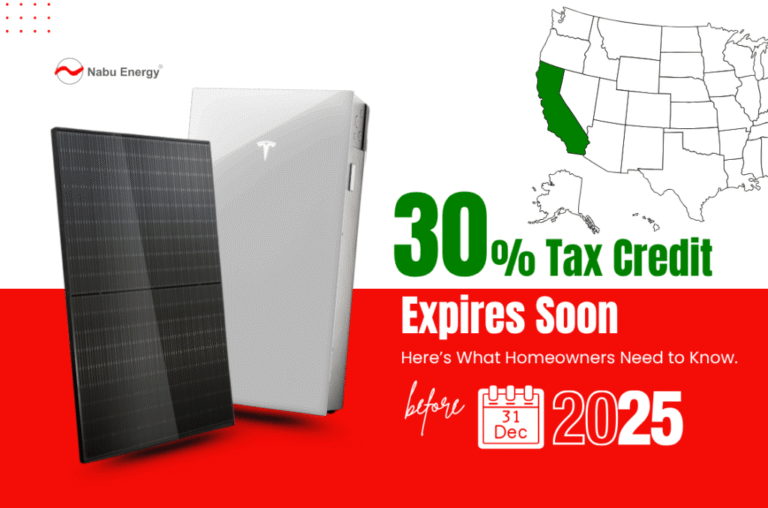
The federal Residential Clean Energy Credit under Section 25D previously allowed eligible homeowners to claim a 30% tax credit for qualifying residential clean-energy property, including solar electric systems and qualifying battery storage. However, the credit is no longer available for qualifying expenditures made after December 31, 2025.
For homeowners considering a solar or battery project in the Bay Area in 2026, it is important to evaluate currently available federal, state, local, and utility programs rather than relying on the former 30% residential federal tax credit.
The 2026 Update: Changes to Federal Solar Tax Incentives
The Inflation Reduction Act previously extended the Residential Clean Energy Credit under Section 25D. Subsequent federal legislation ended the credit for qualifying expenditures made after December 31, 2025.
The Clean Electricity Investment Credit under Section 48E is a separate federal tax credit that may be available to eligible taxpayers and qualifying clean-energy facilities, subject to applicable requirements. The credit is not the same as the former residential Section 25D credit.
Some solar projects use third-party ownership structures, such as leases or power purchase agreements (PPAs), in which the system owner may be responsible for evaluating and claiming applicable federal tax incentives. The availability and economic treatment of any such incentives depend on the specific project, ownership structure, contract terms, and applicable federal requirements.
Homeowners should review the specific terms of any solar financing or third-party ownership agreement and consult a qualified tax professional regarding their individual tax situation.
Consult a Tax Advisor
Every homeowner’s tax liability is different. We strongly recommend speaking with a qualified tax advisor to understand your personal eligibility and potential tax treatment. Nabu Energy does not provide tax, legal, or accounting advice.
Standalone Battery Storage Systems
The federal Residential Clean Energy Credit previously included qualifying standalone battery storage systems with a capacity of at least 3 kilowatt-hours. However, the residential credit under Section 25D is no longer available for qualifying expenditures made after December 31, 2025.
Homeowners considering battery storage in the Bay Area should evaluate current federal, state, local, and utility programs separately and confirm eligibility before making a purchase.
This is particularly relevant for homeowners considering systems such as Tesla Powerwall or other residential battery storage technologies. Nabu Energy can help homeowners evaluate battery storage options based on their home’s energy use, system configuration, and project requirements.
Stop paying peak TOU rates and protect your home from blackouts. See which backup system fits your home by exploring our Battery Storage System Design & Installation services.
Why the Bay Area Is Ideal for Solar + Battery Adoption
Bay Area homeowners may find solar and battery storage attractive because of electricity costs, local solar conditions, and the potential value of using stored energy during higher-cost periods.
Many homeowners consider pairing solar with battery storage to increase energy resilience, manage electricity use, and provide backup power for eligible loads during certain grid outages. Actual benefits vary based on the home’s energy use, system design, utility rates, battery configuration, and other project-specific factors.
Stop Leaving Tax Benefits on the Table
Maximize your remaining federal and state incentives before they decrease further. Let our in-house engineers design a custom energy solution tailored to your property.
👉 Explore our Custom Residential Solar PV Design Services
👉 Explore our Battery Storage System Installation Services
Long-Term Savings and Energy Efficiency
Rising Energy Costs
Electricity costs can change over time, making future energy expenses an important consideration when evaluating a solar investment.
Solar and battery systems may help homeowners reduce their reliance on purchased electricity and manage exposure to future utility-rate changes. Actual savings vary based on system design, electricity usage, utility rates, financing, incentives, and other factors.
Working with an experienced installer can help homeowners evaluate system sizing and installation considerations based on energy use, site conditions, and project objectives.
Making Energy-Efficient Upgrades
Federal incentives for home energy improvements have changed significantly in 2026. The federal Energy Efficient Home Improvement Credit under Section 25C is no longer available for qualifying property placed in service after December 31, 2025. The federal Alternative Fuel Vehicle Refueling Property Credit under Section 30C also ended for qualifying property placed in service after June 30, 2026.
Homeowners considering heat pumps, insulation, windows, EV charging equipment, or other energy upgrades should verify current federal, state, local, and utility programs before making a purchase. Eligibility and incentive amounts can depend on the equipment, installation date, property, and applicable program requirements.
2026 California Solar Tax Credit FAQs
Is the federal 30% residential solar tax credit still available in California in 2026?
No. The federal Residential Clean Energy Credit under Section 25D is no longer available for qualifying expenditures made after December 31, 2025.
Section 48E is a separate federal clean-energy investment tax credit with different eligibility and ownership requirements. In third-party-owned arrangements such as certain leases or PPAs, the system owner may be the taxpayer evaluating eligibility for applicable federal incentives. Homeowners should review the specific contract and consult a qualified tax professional regarding tax treatment.
Can homeowners still receive a federal tax credit for a standalone battery in 2026?
The federal Residential Clean Energy Credit under Section 25D is no longer available for qualifying expenditures made after December 31, 2025. Homeowners considering standalone battery storage should instead evaluate current federal, state, local, and utility incentives that may apply to their particular project.
Disclaimer: This article is provided for general informational purposes only and does not constitute tax, legal, financial, or accounting advice. Federal, state, local, and utility incentives are subject to eligibility requirements and may change. Actual tax treatment, incentives, savings, and project costs vary by homeowner and project. Consult a qualified tax professional regarding your individual circumstances.
Ready to Go Solar? Contact Nabu Energy Today
Nabu Energy is a Bay Area-based solar and battery installation company and a Tesla Certified Installer serving homeowners in the region. We specialize in residential solar, battery storage, and home energy projects, helping homeowners understand their system options and project considerations.
Don’t leave your federal tax benefits on the table. Nabu Energy is a leading Bay Area solar installer providing custom residential solar, battery storage, and complete home energy upgrades
Skip the aggressive sales pitches and high commissions. Let our in-house experts design a system built specifically for your energy needs.
Get Your Zero-Pressure Solar Quote Today!
Call us directly: (510) 737-6228
Email: info@nabuenergy.com