
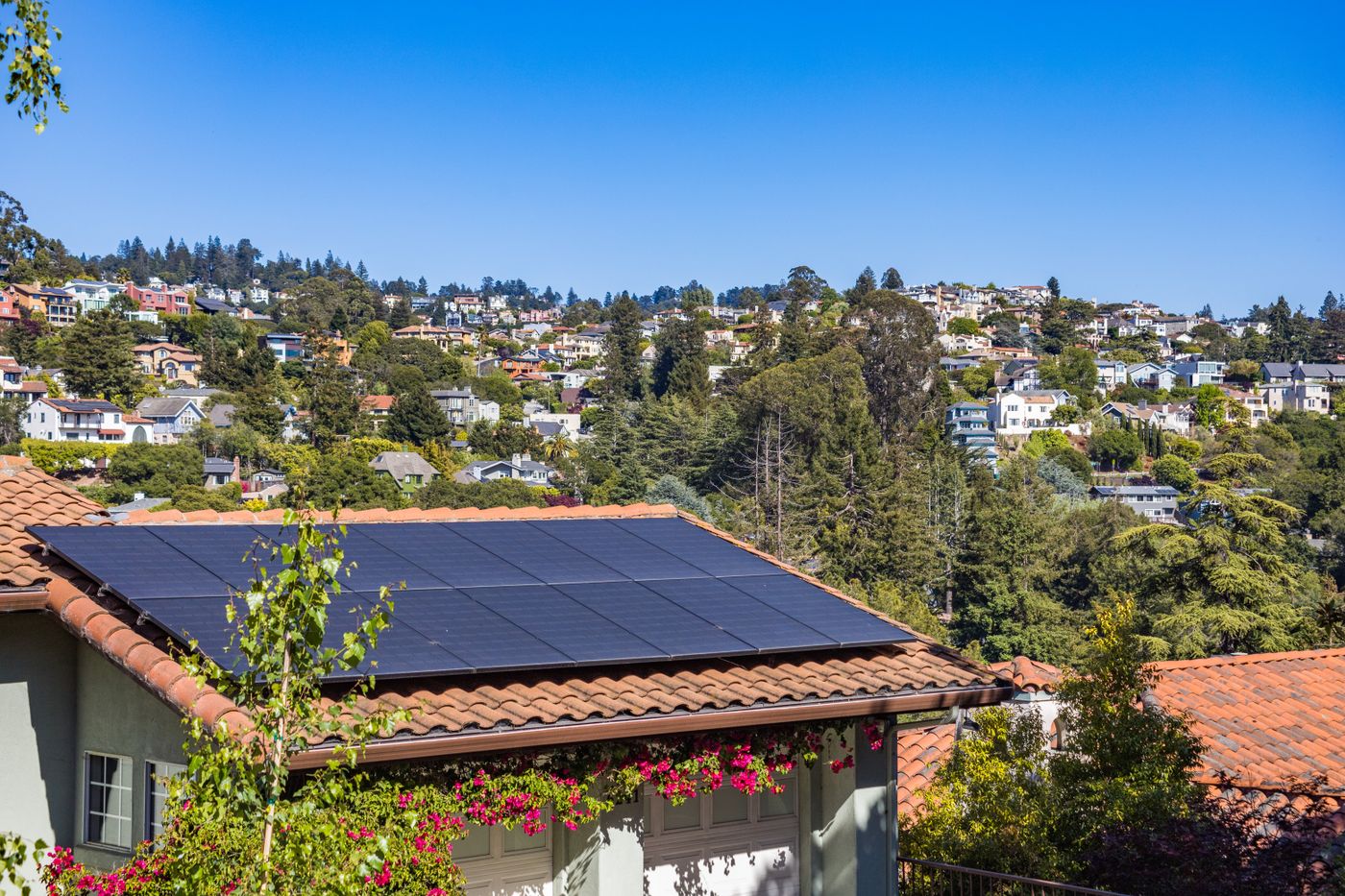
Solar Panel Installation in Dublin, CA
Planning to install solar panels or battery storage at your property in Dublin, California? Nabu Energy provides residential and commercial solar PV system design and installation, along with energy storage and related electrical services based on individual property requirements.
As a solar company serving Dublin, Nabu Energy considers factors such as electricity consumption, available installation space, existing electrical infrastructure, and future energy requirements when assessing a project.
Whether you are considering residential solar panel installation, a commercial solar PV system, or battery storage for an existing or new solar installation, the first step is understanding your property’s energy needs and installation requirements.
Solar Panel and Battery Installation Services in Dublin, CA
Nabu Energy offers several solar and electrical solutions for residential and commercial properties in Dublin. Explore the services below to understand their applications and the factors involved in planning each installation.
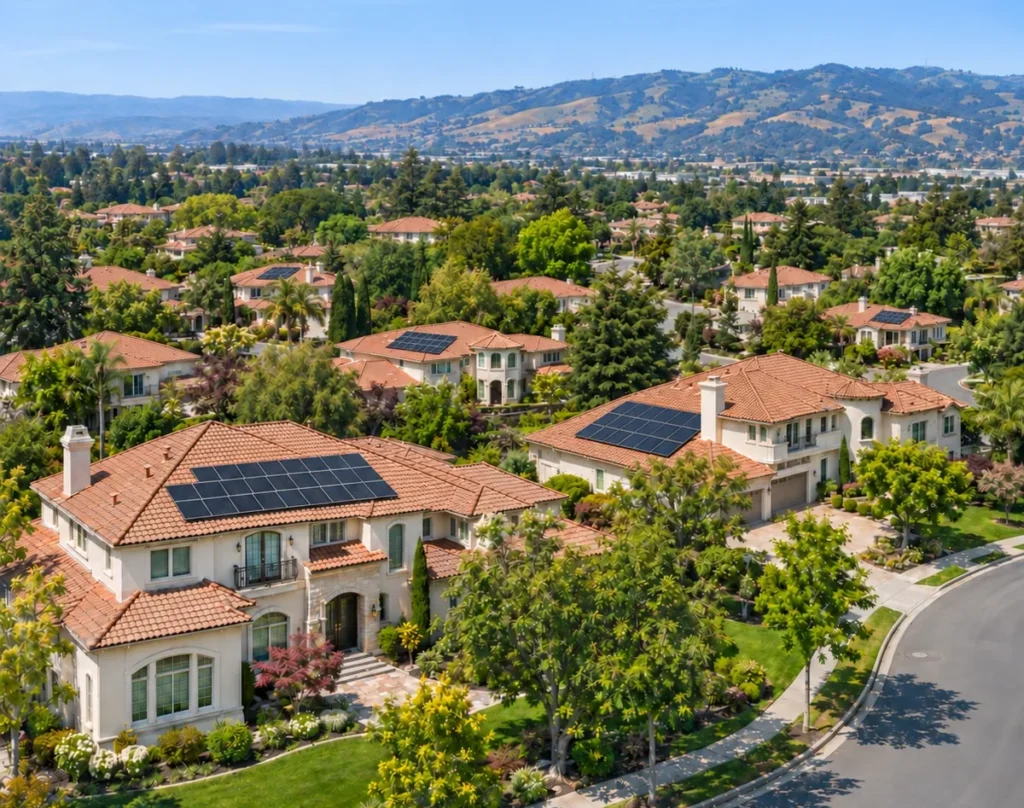
Residential Solar Panel Installation in Dublin, CA
A residential solar PV system converts sunlight into electricity that can be used to power household appliances, lighting, heating and cooling equipment, and other electrical loads.
Read moreRead less
For homeowners considering solar panel installation in Dublin, system design involves more than evaluating available roof space. Household electricity consumption, daytime usage, roof orientation, shading, and the condition of the existing electrical system can all influence the proposed configuration.
During the property assessment and design process, relevant factors include:
- Household electricity consumption: Reviewing electricity usage helps establish the property’s energy requirements and the potential role of a solar PV system.
- Roof orientation and available area: Roof direction, usable space, and layout influence solar panel placement and system configuration.
- Shading conditions: Trees, neighboring buildings, roof structures, and other obstructions can affect sunlight exposure.
- Roof condition: The existing roof should be assessed to determine whether it is suitable for the proposed installation.
- Electrical infrastructure: The main service panel and existing electrical equipment should be reviewed for compatibility with the proposed system.
- Future electricity requirements: Planned additions, such as an EV charger, battery storage, or other electrical equipment, may influence system design.
A property-specific assessment helps determine an appropriate solar PV configuration rather than relying on a standard system size for every home.
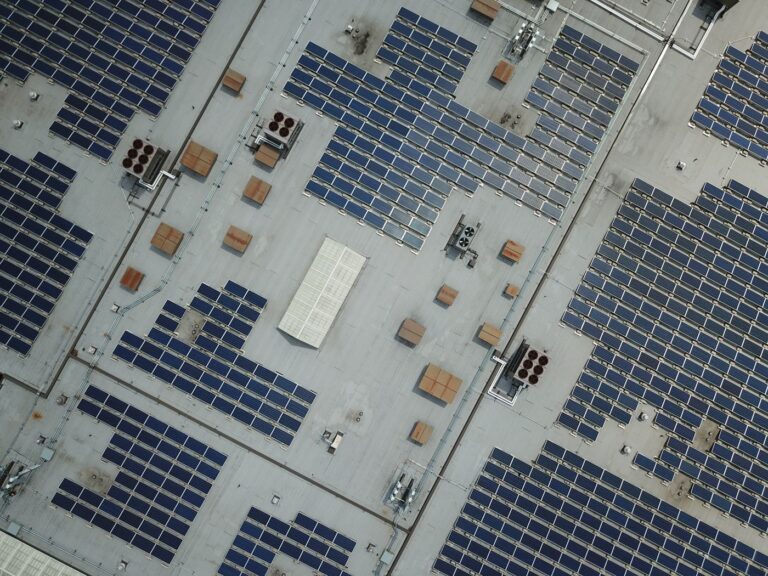
Commercial Solar Installation in Dublin, CA
Commercial solar installation requires an understanding of how a business uses electricity throughout its operating hours and how its electrical infrastructure can accommodate a solar PV system.
Read moreRead less
For commercial properties in Dublin, the design process may involve reviewing building electricity consumption, operating schedules, available rooftop or other suitable installation areas, and the existing electrical distribution system.
Important considerations include:
- Electricity consumption patterns: Reviewing when and how much electricity a business uses helps assess how solar generation may align with its operating requirements.
- Building and roof characteristics: Available installation space, roof condition, structural considerations, and shading can influence system design.
- Electrical infrastructure: Existing service capacity, distribution equipment, and connection requirements need to be evaluated.
- Operating schedules: Businesses with significant daytime electricity consumption may have different solar usage patterns from properties operating mainly during evenings.
- Commercial battery storage requirements: Battery storage may be considered where the business has specific backup or energy management requirements.
- Future expansion: Planned changes to the building or electrical loads should be considered during system planning.
Commercial solar PV system design should reflect the property’s actual electrical requirements and project constraints. The proposed system and installation scope are determined after reviewing the building and its electrical infrastructure.
Battery Storage Installation in Dublin, CA
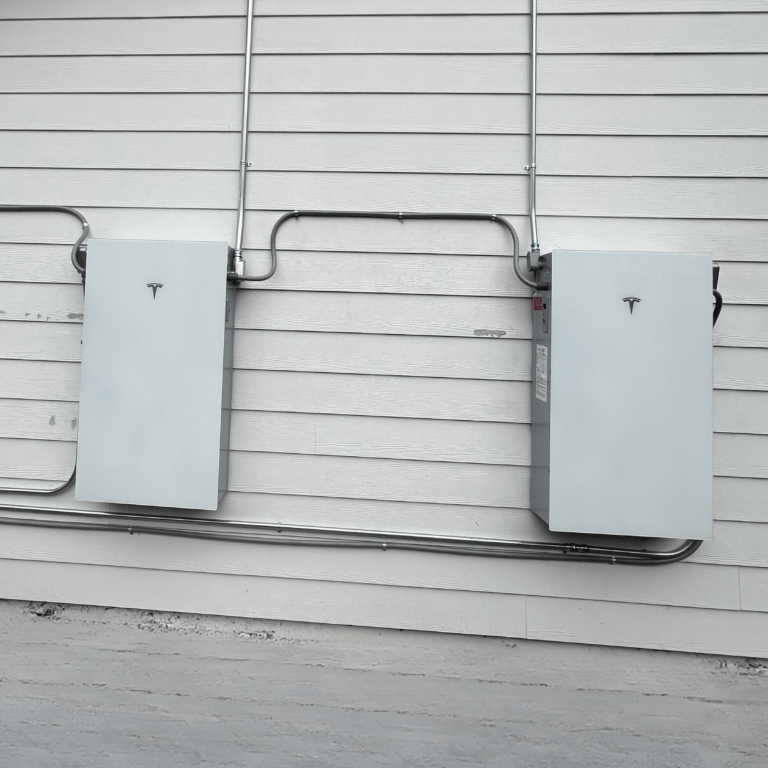
Battery storage allows electricity generated by a solar PV system to be stored for later use, depending on the battery configuration and operating settings.
Read moreRead less
For residential and commercial properties in Dublin, battery storage may be considered when electricity usage extends beyond solar production hours or when backup power is an important project requirement.
A solar-plus-battery system generally works as follows:
- Solar panels generate electricity during daylight hours.
- The generated electricity supplies connected electrical loads.
- Surplus electricity may be used to charge the battery, depending on system configuration and operating settings.
- Stored electricity can be used later when solar generation is lower or unavailable, subject to battery capacity and system settings.
- The property may continue to draw electricity from the grid when solar generation and stored energy are insufficient.
Residential battery storage and commercial battery storage have different design considerations.
For homes, battery selection should consider household electricity usage, essential loads, desired backup coverage, battery capacity, and power output. For businesses, the assessment may include operating schedules, electrical demand, critical equipment, backup requirements, and existing electrical infrastructure.
It is important to distinguish between battery capacity and power output. Capacity describes how much energy a battery can store, while power output describes how much electricity it can supply at a given time. Both matter when evaluating backup requirements.
A battery system does not automatically provide whole-property backup. The equipment configuration, backed-up circuits, connected loads, and available stored energy determine which equipment can operate during an outage.
Nabu Energy assesses energy storage system installation requirements according to the property’s electrical infrastructure, intended use, and proposed solar configuration.
Can You Add Battery Storage to an Existing Solar System in Dublin?
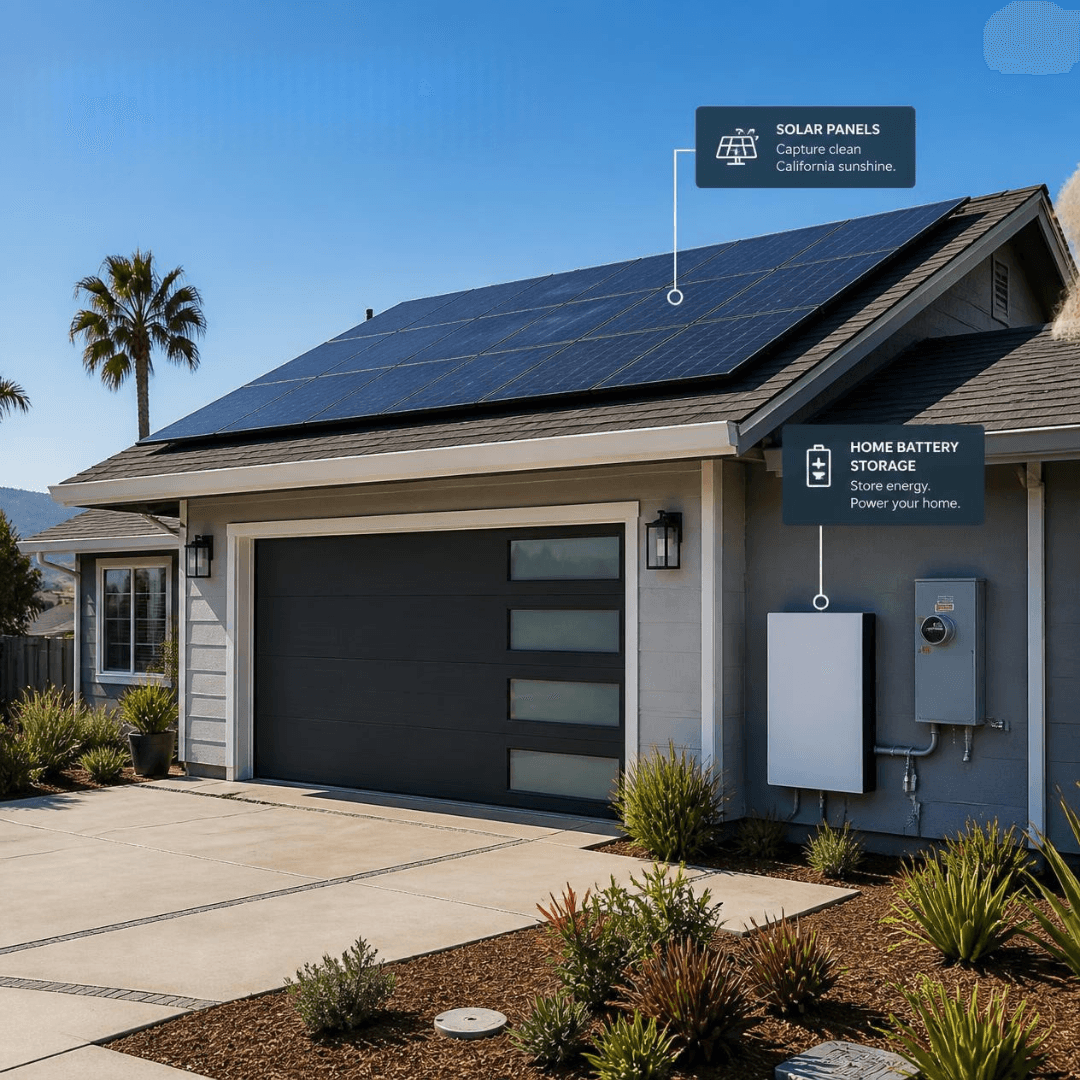
In some cases, battery storage can be added to an existing solar PV system. However, compatibility should be reviewed before selecting or installing a solar battery.
Read moreRead less
The assessment may include:
- Existing solar inverter type and configuration.
- Solar PV system capacity and installation details.
- Battery and inverter compatibility.
- Electrical panel capacity and required backup circuits.
Depending on the existing equipment, the project may require additional components or electrical modifications. A technical assessment helps determine whether the existing solar system can accommodate battery storage and what changes may be required.
Main Service Panel Upgrades in Dublin, CA
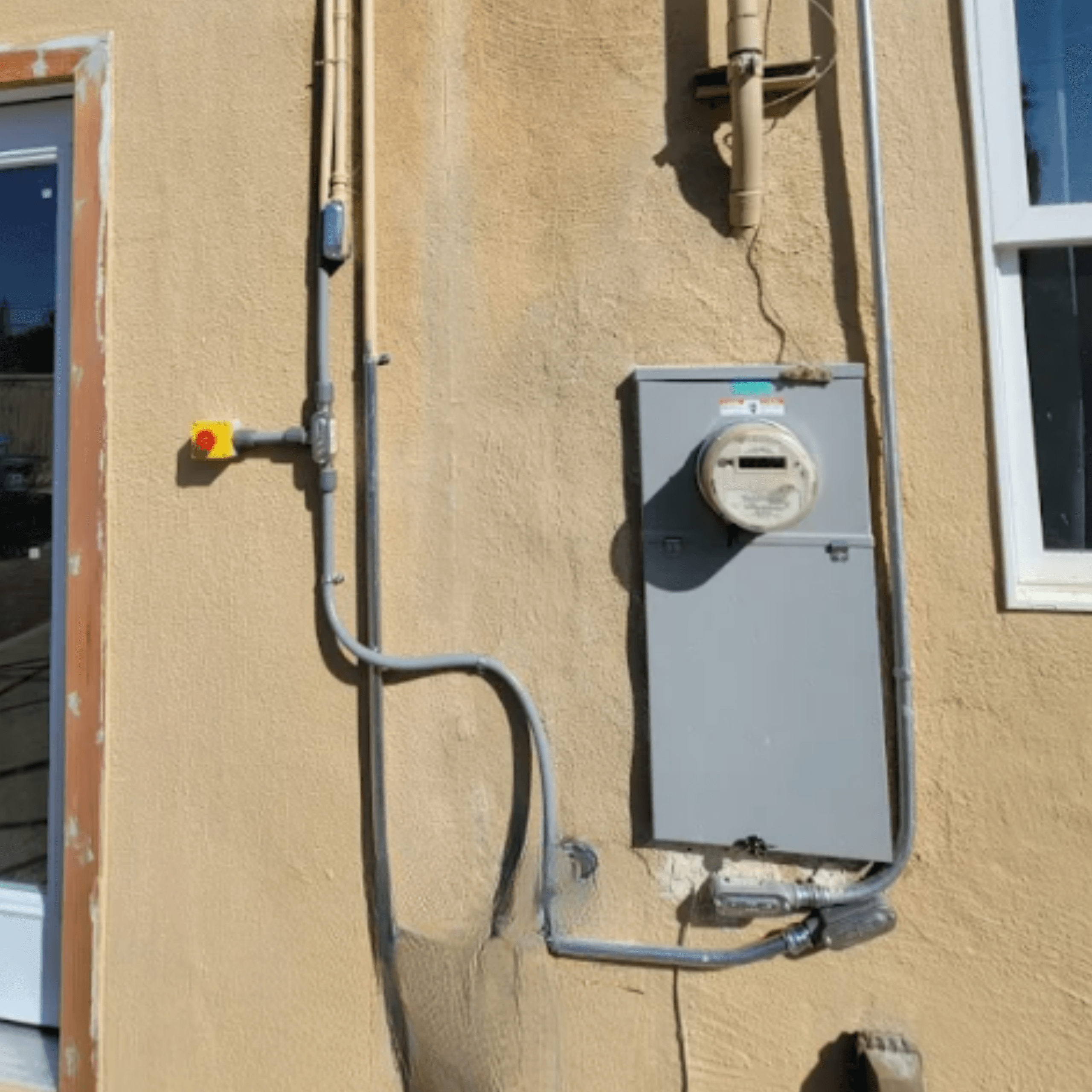
A main service panel distributes electricity to a property’s electrical circuits. Before installing solar panels, battery storage, or an EV charger, the existing electrical panel should be reviewed to determine whether it can support the proposed equipment.
Read moreRead less
Not every solar installation requires an electrical panel upgrade. The need depends on the existing panel’s condition, rating, available capacity, electrical configuration, and applicable code requirements.
Nabu Energy provides main service panel upgrade services for residential and commercial properties, subject to project assessment and confirmed service scope.
When is an electrical panel upgrade required? An upgrade may be considered when:
- The existing panel does not have sufficient capacity for the proposed equipment.
- The panel’s condition or configuration creates installation constraints.
- Additional electrical loads are planned for the property.
- The proposed solar or battery system requires changes to the existing electrical infrastructure.
- Applicable electrical code or utility requirements call for modifications.
The need for an upgrade should be established through an assessment of the property’s existing electrical system. A panel replacement should not be assumed to be necessary for every solar or battery installation.
EV Charger Installation in Dublin, CA
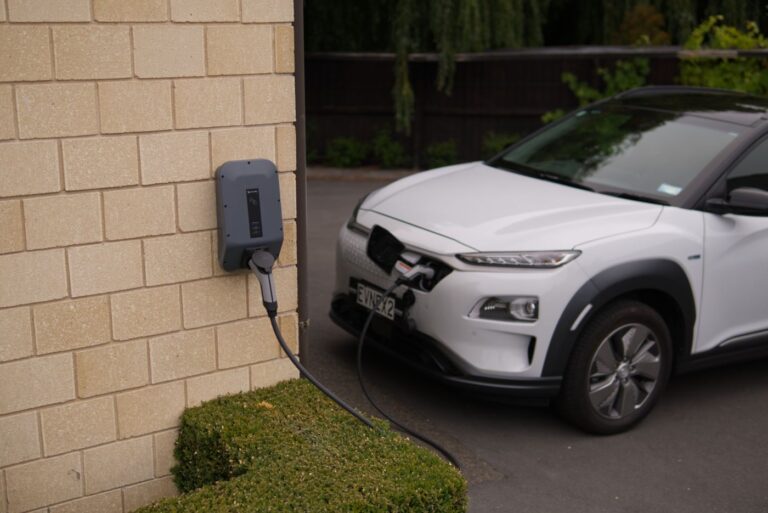
Installing an EV charging station at a residential or commercial property requires an assessment of the existing electrical infrastructure and the intended charging requirements.
Read moreRead less
For homeowners, a Level 2 EV charger may be considered when a dedicated home charging setup is required. Commercial properties may have different requirements depending on the number of vehicles, charging locations, expected usage, and available electrical capacity.
Before installation, relevant factors include:
- Existing electrical panel capacity.
- Charger location and cable routing.
- Available electrical circuits.
- Charging equipment requirements.
- Whether an electrical upgrade is needed.
- Compatibility with a proposed solar or battery system, where applicable.
Solar PV and EV charging can be considered together during system planning. However, the extent to which solar generation can support EV charging depends on the vehicle’s charging schedule, solar production, and the property’s other electricity requirements.
Dublin also has EV charging requirements for certain new residential, multifamily, and commercial construction projects. The applicable requirements depend on the building type and project scope and should not be assumed to apply to every existing property.
Electricity Provider and Solar Billing in Dublin, CA
Dublin is served by Ava Community Energy, the community choice aggregation provider for participating local customers. Ava supplies electricity generation, while PG&E continues to deliver electricity through its distribution network, maintain power lines, respond to outages, and provide related delivery services.
The City of Dublin has transitioned its default electricity generation service for residents and businesses to Ava’s Renewable 100 option. However, individual account arrangements and program participation may differ. Property owners should review their electricity bills to confirm their current generation provider and service plan.
How Does the Solar Billing Plan Work in Dublin?
The solar billing arrangement for a Dublin property depends on its electricity generation provider and applicable tariff.
For eligible solar customers enrolled in Ava Community Energy’s Solar Billing Plan, electricity imported from the grid and excess electricity exported to the grid are accounted for separately. Imported electricity is charged according to the applicable rate schedule, while exported electricity earns credits based on the value of electricity at the time it is sent to the grid.
Read moreRead less
Ava’s Solar Billing Plan aligns closely with PG&E’s Solar Billing Plan but includes additional export credit provisions for eligible Ava customers. Ava provides generation credits, while PG&E provides applicable delivery credits for electricity exported to the grid.
Customers receiving electricity generation service directly from PG&E are subject to the applicable PG&E Solar Billing Plan and tariff arrangements.
Under California’s Net Billing Tariff, commonly referred to as NEM 3.0, export compensation is not necessarily equivalent to the retail electricity rate paid for imported electricity. Credit values can vary according to the time of export and the applicable tariff.
Actual electricity usage varies between customers and can change according to household routines, business operating hours, seasonal requirements, and future energy consumption. These usage patterns cannot be reliably predicted for every customer when evaluating a proposed solar installation.
Nabu Energy does not guarantee individual electricity savings or system payback periods. For applicable residential solar transactions, customers will receive the required CSLB Solar Energy System Disclosure Document and supporting information, including a standardized bill-savings estimate and its supporting assumptions. These disclosures help customers understand the estimated financial implications of a proposed system, but they do not guarantee future savings or actual system performance.
Solar system planning should consider the property’s electricity consumption, applicable utility tariff, solar generation profile, and potential battery storage requirements.
Solar Permits and Installation Process in Dublin, CA
Solar PV, battery storage, and related electrical work must comply with applicable local permitting requirements, electrical codes, and utility requirements.
In Dublin, building permits and related project reviews are handled through the City’s Building and Safety Division. The permits and review process required for a project depend on the type and scope of work.
Nabu Energy takes responsibility for coordinating and managing the permitting process for the contracted installation work. This includes preparing and submitting the required project documentation and coordinating applicable requirements with the relevant authorities and utility providers.
Permit review, issuance, inspections, and final approvals remain subject to the relevant authority’s requirements and decisions.
Is SolarAPP+ Available for Solar Installation in Dublin?
The City of Dublin provides access to SolarAPP+, an automated permitting platform for new residential rooftop solar and storage systems that meet the City’s eligibility requirements.
Not every project qualifies. Commercial installations, ground-mounted systems, electrical panel upgrades, and projects with specific site or design conditions may require a standard permit review process.
Eligibility should be checked against the City’s current requirements before the permitting process begins.
What Is the Solar Installation Process?
A typical project may involve five main stages:
- Initial consultation and property assessment: Discuss electricity requirements, project objectives, roof conditions, available installation space, shading, and existing electrical infrastructure.
- System design and proposal: Develop the proposed solar PV and, where applicable, battery storage configuration. Review the equipment, installation scope, and project pricing with the customer.
- Permitting and approvals: Nabu Energy coordinates the preparation and submission of required documents and manages the permitting process for the contracted work. The relevant authorities review the application and determine whether permits can be issued.
- Installation and inspection: Complete the approved installation and associated electrical work, and coordinate applicable inspections.
- Utility coordination and system activation: Complete the required utility interconnection steps and proceed with system operation after the necessary approvals and permissions are in place.
The overall project timeline varies depending on system complexity, permitting, equipment availability, inspections, and utility coordination. Physical installation is only one part of the process. A project-specific timeline should be discussed after the property assessment and scope of work have been established.
Useful resources:
Solar Installation Cost and Project Considerations in Dublin, CA
The cost of solar panel installation in Dublin depends on the property’s requirements and the proposed system configuration. There is no single system price that applies to every home or commercial building.
Factors that can influence project cost include:
- Proposed solar PV system size and configuration.
- Number, type, and specifications of solar panels.
- Inverter and associated electrical equipment.
- Roof layout, condition, and installation complexity.
- Electrical panel capacity and any required upgrades.
- Battery storage capacity and configuration, if included.
- Permitting, inspection, and utility-related requirements.
- Additional electrical work specific to the property.
For commercial properties, building characteristics, electricity requirements, installation conditions, and project scope can also influence the overall cost.
Understanding Your Solar Installation Proposal and Agreement
Before committing to a solar PV or battery storage installation, customers should understand exactly what equipment is proposed, what work is included, how the project is priced, and who is responsible for each stage.
The written proposal and agreement should clearly identify the following:
Read moreRead less
- Contractor and license information. The contracting business’s legal name, applicable California Contractors State License Board (CSLB) license number, and license classification should be identified in the contract. Customers can use the CSLB license lookup to review current license information and status.
- Proposed equipment. The proposal should identify the major equipment included in the project, such as solar panels, inverters, battery units, and associated electrical components. Relevant equipment specifications and compatibility details should be documented.
- Scope of work. The scope should explain the work included in the project, such as solar PV installation, battery installation, associated electrical work, and any agreed panel modifications or upgrades. Any exclusions or additional work requirements should also be identified.
- Project pricing. The written proposal should state the total project price and clearly explain the included equipment, installation work, additional electrical work, and other applicable project costs.
- Warranties. Customers should be able to distinguish between manufacturer warranties covering equipment and any installation or workmanship warranty provided under the agreement. Applicable coverage, duration, conditions, and exclusions should be documented rather than assumed.
- Permitting and project responsibilities. The agreement should explain Nabu Energy’s responsibility for coordinating and managing the permitting process for the contracted work, including the preparation and submission of required documentation and coordination with relevant authorities and utility providers.
- Contract terms and conditions. Before signing, customers should review the payment schedule, project specifications, responsibilities of each party, installation arrangements, change-order process, warranty terms, cancellation provisions, and other applicable contract conditions.
For applicable residential solar transactions, customers should also receive the required CSLB Solar Energy System Disclosure Document before signing the contract. It provides important information about system costs, financial assumptions, estimated bill savings, and consumer rights.
Clear documentation helps customers understand what is included in their project and what responsibilities apply before installation begins.
Why Consider Nabu Energy for Solar Installation in Dublin?
Choosing a solar panel installer involves more than comparing equipment or proposed system sizes. Property owners should understand who is responsible for system design, installation, electrical work, and project coordination.
Nabu Energy is based in Newark, California, and serves residential and commercial customers in Dublin. The company approaches each project according to the property’s energy requirements and installation conditions.
Licensed Electrical Contractor
Nabu Energy LLC holds California Contractors State License Board (CSLB) license #1052356, classified as a C-10 Electrical Contractor. Customers can verify the license status and classification through the California Contractors State License Board before entering into a contract. All contracted work is subject to the applicable license classification, project requirements, and California regulations.
In-House Project Delivery
Nabu Energy does not subcontract its projects. System design, installation, and project coordination are carried out by Nabu Energy’s own team, so one team is responsible for the project from start to finish.
Direct-to-Customer Approach
Nabu Energy’s direct-to-customer approach does not rely on sales commissions. Customers can discuss their property requirements and proposed solar solutions directly with the company.
Understanding Residential and Commercial Requirements
Read moreRead less
Homes and commercial buildings have different electricity usage patterns, electrical infrastructure, and installation considerations. Project assessments account for these differences when developing a proposed solar PV or energy storage configuration.
Clear Project Scope and Communication
Customers should receive a clear explanation of the proposed equipment, installation scope, electrical work, permitting responsibilities, pricing, and project-specific considerations before proceeding.
Property owners comparing solar panel installers in Dublin can review these details to understand the proposed work and make an informed decision.
Frequently Asked Questions About Solar Installation in Dublin, CA
1. Which company provides residential solar panel installation in Dublin, CA?
Nabu Energy provides residential solar PV system design and installation services in Dublin, California. The proposed system depends on the property’s electricity consumption, roof characteristics, shading, and existing electrical infrastructure.
2. How much does solar panel installation cost in Dublin, CA?
Solar installation costs depend on the proposed system size, equipment, roof conditions, electrical infrastructure, permitting requirements, and installation complexity. A property-specific assessment is necessary to prepare an appropriate project proposal.
3. What factors affect solar PV system design for a Dublin property?
Solar PV system design depends on electricity consumption, roof orientation, available installation area, shading, roof condition, and electrical panel capacity. Future electricity requirements may also influence the proposed system configuration.
4. Can commercial properties in Dublin install custom solar PV systems?
Yes. Commercial properties can be assessed for custom solar PV systems based on their electricity consumption, operating schedules, available installation space, building characteristics, and electrical infrastructure. The proposed configuration depends on the property’s specific requirements.
5. Can I add battery storage to my existing solar system in Dublin?
In some cases, battery storage can be added to an existing solar PV system. Compatibility with the existing inverter, electrical panel, system configuration, and proposed battery equipment must be assessed before installation. Additional components or electrical modifications may be required.
6. Can a solar battery provide backup power during an outage?
A battery may provide backup power to selected circuits or connected loads when configured for backup operation. Actual backup capability depends on battery capacity, power output, system configuration, and the equipment connected to the backup circuits. Not every grid-connected solar and battery system automatically provides backup during an outage.
7. How does the Solar Billing Plan affect solar and battery storage in Dublin?
The applicable solar billing arrangement depends on whether the customer receives electricity generation service through Ava Community Energy or PG&E. Both providers offer Solar Billing Plan arrangements under which exported electricity earns credits according to applicable rules. Ava customers may receive separate generation and delivery credits from Ava and PG&E. Customers should confirm their current provider and tariff using their electricity bills.
8. Do I need an electrical panel upgrade before installing solar panels?
Not necessarily. An upgrade may be required if the existing panel cannot accommodate the proposed solar, battery, or other electrical equipment. The need should be determined through an assessment of the existing electrical infrastructure.
9. Is SolarAPP+ available for every solar installation in Dublin?
No. SolarAPP+ is designed for eligible new residential rooftop solar and storage projects under the City of Dublin’s requirements. Commercial installations, ground-mounted systems, panel upgrades, and projects with other specific conditions may require a different permitting process. Eligibility should be confirmed against the City’s current requirements.
Discuss Your Solar and Battery Storage Requirements in Dublin, CA
Whether you are planning residential solar panel installation, a commercial solar PV system, or battery storage for your property in Dublin, Nabu Energy can help assess the project requirements and discuss suitable system configurations.
Start with a conversation about your property, electricity consumption, and installation objectives.
This page provides general information only and is not legal, tax, or financial advice. Utility rates, tariffs, permit requirements, and incentives change, and applicability varies by property. Last reviewed: November 2026.