California homeowners are no longer installing solar for the same reasons they did five years ago. With the shift to Net Energy Metering 3.0 (NEM 3.0), exporting excess solar energy to the grid is significantly less valuable than it used to be. At the same time, Time-of-Use (TOU) electricity rates have made electricity more expensive during evening hours, precisely when solar panels stop producing. This gap between production and consumption has fundamentally changed how solar systems should be designed.
In this context, home battery storage is no longer an optional add-on-it’s becoming central to making solar financially viable. Batteries like the LG RESU 10H Prime and LG RESU 16H Prime are designed to address this exact challenge. Instead of sending excess energy back to the grid at reduced compensation rates, these systems allow homeowners to store and use their own energy when it’s most valuable. This shift directly impacts long-term savings, grid independence, and system performance.
For anyone exploring solar installation near the Bay Area or evaluating solar panel and battery installation in California, understanding how these batteries actually fit into real-world usage, not just specs, is critical. The goal isn’t just to install solar anymore; it’s to design a system that works intelligently with today’s utility rules.
Understanding the Role of Batteries Under NEM 3.0
Under earlier solar policies, excess daytime production could be exported to the grid at near retail rates, making solar-only systems highly attractive. However, NEM 3.0 changed this dynamic by reducing export compensation significantly. This means that sending surplus solar energy back to the grid is now far less profitable than using it yourself.
A battery system changes this equation. Instead of exporting energy during the day at low rates, a battery stores that energy and allows you to use it during peak evening hours, when electricity is most expensive. This is especially important under TOU rate structures, where energy prices can vary dramatically throughout the day.
From a practical standpoint, this means homeowners can shift their energy usage strategically. For example, instead of pulling expensive grid power at 7 PM, the home can run on stored solar energy. Over time, this significantly improves the return on investment for solar systems. For a residential solar installer in Bay Area, this shift has become central to system design rather than an afterthought.
LG RESU 10H vs 16H Prime: What These Batteries Actually Offer
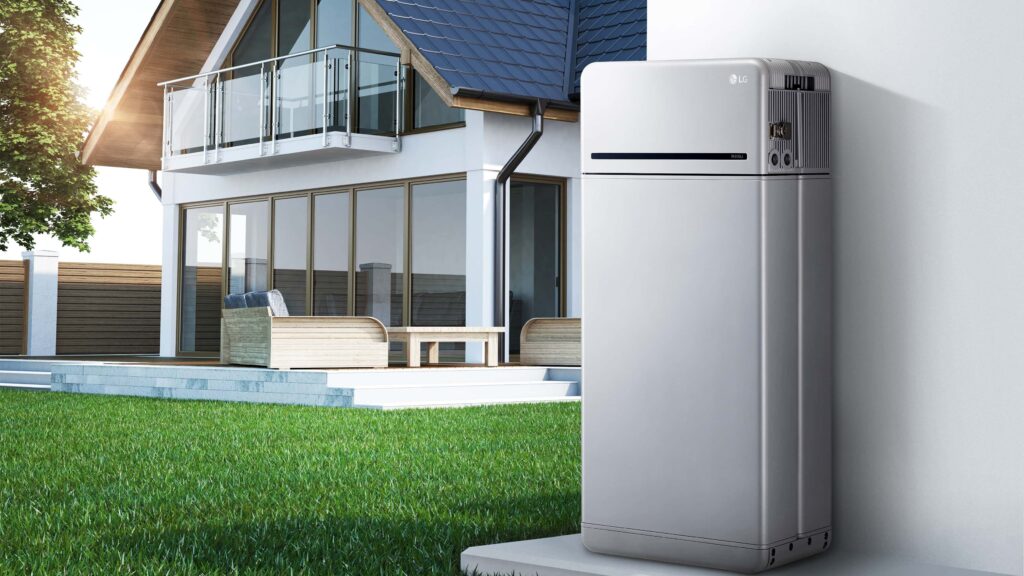
LG Chem has developed the RESU Prime series to provide scalable, high-density energy storage for residential use. While specifications like capacity and power output are often highlighted, what matters more is how these translate into real-world performance.
The 10H Prime, with a usable capacity of 9.6 kWh, is typically suited for homes with moderate evening consumption or partial backup needs. It can comfortably power essential loads-lighting, refrigeration, internet, and some appliances-for several hours during outages or peak pricing periods. The 16H Prime, on the other hand, offers 16 kWh of storage, making it better suited for larger households or those aiming for deeper energy independence.
The difference isn’t just about size-it’s about usage patterns. A household with electric cooking, EV charging, or higher nighttime consumption will benefit more from the 16H. Meanwhile, smaller households may find the 10H sufficient when paired with efficient energy usage.
For homeowners comparing options with a solar installer in Bay Area, the key question isn’t “Which is bigger?” but “Which aligns with my consumption behavior and goals?”
Performance, Efficiency, and Long-Term Reliability
Battery performance isn’t just about how much energy it stores-it’s about how efficiently it cycles energy over time. The RESU Prime series offers high round-trip efficiency (above 90%), meaning most of the stored energy is usable rather than lost during conversion.
This matters more than it seems. Over a 10-year period, even small efficiency differences can translate into significant energy savings. Additionally, LG’s warranty structure, guaranteeing around 70% capacity after 10 years, provides a realistic expectation of long-term performance rather than an idealized one.
Safety is another factor often mentioned but rarely understood. These batteries include integrated battery management systems (BMS) that regulate charging, prevent overheating, and manage discharge cycles. For homeowners, this translates to reduced risk and more stable operation, especially in high-demand scenarios.
For solar installation companies near the Bay Area, reliability is not just a selling point-it’s critical for maintaining system performance over decades. A battery failure doesn’t just affect storage; it impacts the entire solar ecosystem.
Integration with Solar Systems and Inverters
One of the practical challenges in battery adoption is compatibility. Not all batteries work seamlessly with all solar inverters. The RESU Prime series is designed to integrate with a wide range of hybrid and storage-ready inverters, making it adaptable for both new installations and retrofits.
This flexibility becomes important when upgrading existing solar systems. Many homeowners who installed solar under older NEM policies are now adding batteries to adapt to NEM 3.0. In such cases, compatibility can determine whether the upgrade is straightforward or complex.
Compared to integrated systems like the LG Home 8 ESS or even the Tesla Powerwall, modular batteries like the RESU series offer more design flexibility. However, they also require more careful system planning, particularly around inverter selection and load management.
For homeowners evaluating home battery storage installation in Bay Area, installer expertise plays a critical role.
Real-World Use Case: How a Battery Changes Daily Energy Flow
To understand the practical impact, consider a typical California household with solar panels producing excess energy between 10 AM and 3 PM. Without a battery, most of this energy is exported to the grid at reduced NEM 3.0 rates. Later in the evening, the household buys electricity back at peak TOU prices.
With a battery, that same excess energy is stored instead of being exported. By evening, the home runs on stored solar energy rather than grid power. This shift effectively “captures” the value of solar production that would otherwise be lost.
Over time, this daily cycle improves energy self-consumption rates significantly. Instead of relying on the grid for 40–50% of energy needs, homeowners can reduce that dependency dramatically. This is particularly relevant in areas with frequent outages or grid instability.
For anyone evaluating solar panel and battery installation in California, this operational shift, not just the equipment, is what determines long-term value.
Installation Quality: The Often Overlooked Factor
While battery specifications get most of the attention, installation quality plays an equally important role in system performance. A poorly installed battery system can lead to inefficiencies, reduced lifespan, or even safety concerns.
Key considerations include proper load panel configuration, accurate system sizing, and correct inverter pairing. For example, oversizing a battery without aligning it with actual consumption patterns can lead to underutilization, reducing financial returns. Similarly, incorrect wiring or configuration can limit output or create operational issues.
This is where choosing the right residential solar installer in Bay Area becomes critical. Not all installers approach system design with the same level of detail. Some prioritize quick installations, while others focus on long-term performance optimization.
For homeowners, the difference often shows up years later in system efficiency, maintenance needs, and actual savings.
Comparing LG RESU with Other Battery Options
The RESU Prime series sits in a competitive landscape that includes integrated systems and modular alternatives. Compared to the Tesla Powerwall, LG’s batteries offer higher modular flexibility but require more system-level design decisions. The LG Home 8 ESS, meanwhile, provides an all-in-one solution but with less customization.
From a practical standpoint, the choice depends on priorities. Homeowners looking for simplicity may prefer integrated systems, while those seeking tailored solutions may benefit from modular batteries like RESU. There is no universally “better” option, only what fits the specific use case.
For solar installation companies near Bay Area, offering multiple battery options and explaining their trade-offs clearly is essential for building trust and delivering value.
Conclusion: Making a Smart, Informed Decision
The shift to NEM 3.0 has fundamentally changed how solar systems should be designed in California. Batteries are no longer optional-they are central to maximizing the value of solar energy. The LG RESU 10H and 16H Prime batteries offer strong performance, flexibility, and reliability, making them viable options for many homeowners.
However, the real value of a battery system doesn’t come from specifications alone. It comes from how well the system is designed, installed, and aligned with actual energy usage patterns. This includes understanding TOU rates, optimizing energy flow, and ensuring long-term system efficiency.
For homeowners exploring solar installation near the Bay Area, the focus should not just be on choosing a battery, but on choosing the right system design approach. That’s where the difference between a functional setup and a truly optimized energy solution becomes clear.
If you’re evaluating whether a battery like the LG RESU Prime fits your home, the next step isn’t just comparing specs-it’s understanding how it would perform in your specific situation.
Note:
The LG RESU 10H and 16H Prime batteries discussed in this article are evaluated based on publicly available specifications, industry benchmarks, and general performance insights within the residential energy storage market.
Nabu Energy is not an authorized installer or service provider for LG battery systems and does not currently offer installation for these specific products. Battery recommendations and system designs may vary depending on inverter compatibility, project requirements, and long-term performance considerations.
For homeowners exploring solar and storage solutions in California, system selection should always be based on site-specific energy usage, utility rate structures, and overall system integration rather than a single product.