Solar and battery systems have become a key part of how homeowners in California manage their energy. With rising electricity costs, growing grid instability, and more frequent outages, many homeowners in California are now considering installing solar panels and batteries as a long-term solution.
While the benefits of solar batteries are clear-storing excess energy, reducing reliance on the grid, and providing backup power-the outcome of your investment depends heavily on one critical factor: installation quality.
A well-designed and properly installed system can deliver consistent savings and reliable performance. On the other hand, poor installation can lead to performance issues, safety risks, and additional costs over time.
This guide explains the most common quality issues, the unique challenges in the Bay Area, and how to ensure your system is installed correctly.
Why Installation Quality Matters More in Today’s Energy Landscape
In the past, installing solar panels alone was often enough to see noticeable savings. However, with the transition to NEM 3.0, the way solar systems generate value has changed.
Under current regulations:
- Exporting excess energy to the grid provides lower financial returns.
- Savings depend more on how efficiently you use stored energy.
- Battery systems play a central role in optimizing energy usage.
This means that the system must not only be installed, but it must be configured and optimized correctly. Even small installation errors can reduce efficiency and impact long-term savings.
For homeowners exploring solar installation near the Bay Area, this makes choosing the right installer just as important as choosing the right equipment.
Common Quality Issues in Solar Battery Installations
Understanding potential installation issues helps you identify risks early and avoid costly mistakes. These issues are not uncommon and can occur even when high-quality equipment is used.
Incorrect Installation and System Configuration
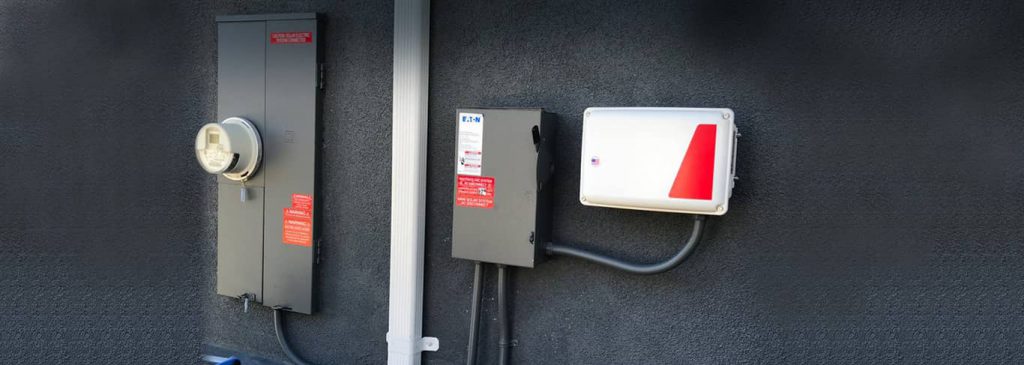
One of the most common issues in solar battery installations is improper setup of the system. A battery system involves multiple components, including solar panels, inverters, and your home’s electrical panel. All of these must work together seamlessly.
If the system is not installed or configured correctly:
- The battery may not charge or discharge at the right times.
- Energy may not be stored efficiently.
- Backup functionality may not work during outages.
For example, a system may generate enough solar energy during the day but fail to use it during peak evening hours. This reduces the overall value of the system, especially under NEM 3.0, where the timing of energy usage is critical.
Battery Damage During Handling or Installation
Solar batteries are sensitive systems that require proper handling during transportation and installation. Damage can occur due to improper storage, physical impact, or incorrect mounting.
A damaged battery may still appear functional initially, but can develop issues over time, such as:
- Reduced storage capacity
- Faster performance degradation
- Increased risk of system faults
Proper inspection before and after installation is essential to ensure that the battery is in good condition.
Poor Workmanship and Installation Practices
Workmanship plays a significant role in the long-term reliability of a solar battery system. Even if the design is correct, poor execution can lead to performance issues.
Common workmanship problems include:
- Loose or poorly secured wiring
- Improper sealing that allows moisture intrusion
- Inadequate mounting of system components
Over time, these issues can lead to electrical faults, reduced efficiency, and higher maintenance requirements. In regions like the Bay Area, where building standards are strict, poor workmanship can also result in inspection failures and project delays.
Incompatible Components and System Design Issues
A solar battery system must be designed as a complete system rather than a collection of individual components. In some cases, incompatibility between batteries, inverters, and other system elements can lead to reduced performance.
If components are not properly matched:
- The battery may not store or deliver energy efficiently.
- The system may not operate as intended.
- Long-term reliability may be affected.
This is particularly important for complex systems, where proper integration determines overall efficiency.
Challenges in Solar Battery Installations in the Bay Area
In addition to general installation issues, homeowners in the Bay Area face region-specific challenges that can impact both the installation process and system performance.
Roof Compatibility and Structural Considerations
Solar systems add weight to your roof, and not all structures are designed to handle this load. Many homes in the Bay Area are older and may require structural evaluation before installation.
If the roof is not suitable:
- Reinforcements may be needed.
- Installation costs may increase.
- Project timelines may be extended.
A proper site assessment helps identify these issues early.
Permitting and Code Compliance
Solar installations must comply with local building and electrical codes. The Bay Area is known for having strict permitting requirements, which can make the process more complex.
Working with experienced solar installation companies near the Bay Area ensures that:
- All necessary permits are obtained.
- The system meets regulatory standards.
- Inspections are completed without delays.
Utility Interconnection and Approval
Before a solar system becomes operational, it must be approved by Pacific Gas and Electric Company.
This process involves reviewing system design and ensuring compliance with utility requirements. Any issues in design or documentation can delay approval and affect project timelines.
How to Avoid Quality Issues and Choose the Right Installer
Avoiding installation problems starts with selecting the right installer and following a structured approach.
Choose an Experienced and Qualified Installer
Not all installers have the same level of expertise, especially when it comes to battery systems. Look for a solar installer in the Bay Area with proven experience in both solar and battery installations.
Compare Multiple Options
Evaluating different Bay Area solar companies helps you understand pricing, system design approaches, and service quality. Comparing multiple quotes ensures that you make an informed decision.
Review Warranties and Support
A reliable system should include strong warranty coverage for both equipment and installation. This provides protection against unexpected issues and ensures long-term support.
Inspect and Verify Installation Quality
Once the installation is complete, it is important to review the system carefully. This includes checking:
- System performance
- Proper configuration
- Physical installation quality
Ensuring everything is functioning as expected helps prevent issues later.
Conclusion
Solar batteries offer a practical way to store energy, reduce electricity costs, and improve energy reliability. However, the success of your system depends not just on the technology, but on how well it is installed.
By understanding common quality issues and the challenges specific to the Bay Area, homeowners can make better decisions and avoid costly mistakes.
For those considering home battery storage installation in the Bay Area, working with an experienced and reliable installer is the most important step in ensuring long-term performance and value.
At Nabu Energy, we focus on delivering high-quality solar and battery installations designed to meet your energy needs and provide reliable performance over time.