Location: San Jose, California
Estimated Reading Time: 15-minute read
Last Reviewed: August 2026
Quick Summary
Installing solar panels on a San Jose home involves much more than selecting a panel brand and putting equipment on the roof. A comprehensive residential solar PV system design and installation project typically begins with an evaluation of the property’s roof, electrical system, and electricity usage. From there, the project moves through system design, equipment selection, engineering, permitting, installation, inspection, utility interconnection, and final activation.
For homeowners, understanding this process before signing a contract can make it easier to compare solar energy companies, understand what is included in a proposal, and identify electrical or future energy considerations that should be addressed early.
This guide explains the solar panel installation process in San Jose step by step, including how to evaluate your home, determine an appropriate system size, understand local permitting and utility interconnection, compare solar equipment and installers, and plan for future additions such as battery storage and EV charging.
Is Solar Panel Installation Right for Your San Jose Home?
Solar can be a practical option for many San Jose homeowners, but there is no single solar system that is appropriate for every property.
Two homes on the same street can have very different solar requirements. One may have a large, relatively unobstructed roof and moderate electricity consumption. Another may have limited usable roof area, substantial afternoon shading, higher electricity consumption, or an older electrical service that needs additional evaluation.
That is why a good solar project should begin with the home, rather than with a particular panel, battery, or advertised system size.
A professional evaluation typically considers the roof, shading, electrical infrastructure, historical electricity usage, and the homeowner’s future plans. If you expect to add an electric vehicle, Level 2 EV charger, heat-pump equipment, battery storage, or other significant electrical loads, those plans are worth discussing before the solar system is designed.
The goal is not simply to place as many solar panels as possible on the roof. The goal is to develop a system that fits the home’s available space, energy consumption, electrical infrastructure, and long-term plans.
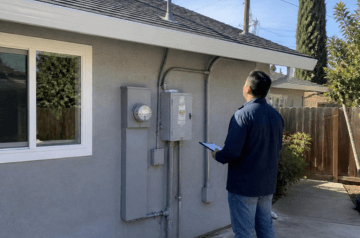
What Does Solar Panel Installation Include?
When homeowners search for solar panel installation, home solar installation, or solar electricity installation, they may picture the physical installation itself.
In reality, the construction day is only one part of the project.
A residential solar installation generally includes several connected stages:
| Stage | What Happens |
| Home evaluation | Roof, shading, electrical system, and site conditions are reviewed |
| Energy analysis | Historical electricity usage and future needs are considered |
| System design | Solar array and electrical equipment are designed |
| Equipment selection | Panels, inverters, batteries, and related equipment are selected |
| Engineering | Plans and technical documents are prepared |
| Permitting | Required applications and approvals are handled |
| Installation | Solar and electrical equipment are installed |
| Inspection | Completed work is inspected |
| Utility interconnection | The system is coordinated with the utility |
| Permission to operate | Required utility approval is completed before normal grid-connected operation |
The exact sequence and timeline can vary by project.
For San Jose homeowners, this distinction is important because a company promising a very short installation time is not necessarily promising the same thing as a short overall project timeline. Engineering, permitting, inspection, utility review, equipment availability, and electrical modifications can all affect when a project reaches completion.
Step 1: Evaluate Your San Jose Home Before Designing the System
The first step in a successful solar project is understanding whether the property can support the proposed system.
A solar installer will generally look at the roof and the electrical system together rather than treating them as completely separate issues.
Roof Orientation and Roof Area
Solar panels need usable roof space with sufficient exposure to sunlight.
The evaluation may consider:
- Roof orientation
- Roof pitch
- Usable roof area
- Roof condition
- Roof obstructions
- Vents and other penetrations
- Existing rooftop equipment
- Shading from trees and nearby structures
A larger roof does not automatically mean that a larger solar system should be installed.
The system still needs to correspond to the home’s electricity consumption and the expected production from the available roof area.
Shading
Shading deserves particular attention during system design.
Trees, neighboring structures, chimneys, roof features, and other obstructions can reduce solar production in affected areas. The impact depends on the location, timing, duration, and extent of the shading.
An experienced installer should account for these conditions when developing the system design rather than simply estimating production from roof size.
Roof Condition
Homeowners should also consider the age and condition of the roof before installing solar.
If a roof is already approaching the point where significant repairs or replacement may be necessary, installing solar first can create unnecessary complications later. Removing and reinstalling solar equipment is a separate project and should not be treated as a routine part of every solar installation.
A discussion about roof condition before signing the contract can therefore be just as important as the discussion about solar panels.
Step 2: Understand How Much Electricity Your Home Uses
A solar system should be designed around actual electricity consumption rather than an arbitrary number of panels.
Your recent utility bills can provide valuable information about how much electricity your household uses and how that usage changes throughout the year.
An installer may look at:
- Monthly electricity consumption
- Seasonal patterns
- Existing electric appliances
- Changes in household occupancy
- EV charging
- Electric heating or cooling
- Pool equipment
- Other significant electrical loads
This information helps establish a starting point for determining an appropriate system size.
Current Usage Is Not Always Future Usage
One of the easiest mistakes homeowners can make is designing a solar system entirely around today’s electricity consumption when they already know their household is becoming more electrified.
Consider a homeowner who currently has a gas water heater and gas heating but plans to purchase an EV and install a Level 2 charger.
The household’s future electricity consumption may be meaningfully different.
The same applies to homeowners considering:
- Battery storage
- Heat-pump HVAC
- Heat-pump water heating
- Additional EVs
- Home additions
- Other electric appliances
These plans do not automatically mean a homeowner needs a larger solar system. They simply mean the future should be considered before the final design is established.
Step 3: Determine the Appropriate Solar System Size
There is no universal system size for a San Jose home.
Solar systems are commonly described by their installed capacity in kilowatts (kW), but the number by itself does not tell a homeowner whether a system is appropriate.
System sizing should consider the relationship between:
Electricity consumption + solar production potential + usable roof area + future energy needs
For example, a home with high electricity consumption but limited roof area may require a different equipment strategy from a home with abundant roof space and moderate consumption.
This is also where panel efficiency can become relevant.
If roof space is limited, higher-output or higher-efficiency modules may allow an installer to achieve the desired system capacity within the available area. But panel wattage should never be considered in isolation.
The entire system design matters.
⭐⭐⭐⭐⭐ Technical Expertise & Clear Solar Guidance
“I spoke with multiple solar installers, and Nabu Energy was the most knowledgeable. They took the time to explain the pros and cons of solar, including NEM 3, batteries, system sizing, and inverter options. I wanted to understand everything before making a significant investment, and they spent the time answering my questions. After the system went live, its production has been closely aligned with the estimates they provided.”
– Verified Bay Area, Homeowner
Step 4: Choose the Right Solar Panels and Inverter
Once the energy and property requirements are understood, the next step is equipment selection.
Homeowners often begin their research by searching for the “best” solar panel. That can be useful for understanding the market, but the best equipment for one property is not necessarily the best equipment for another.
Solar Panels
Solar modules can differ in:
- Power output
- Efficiency
- Physical dimensions
- Temperature characteristics
- Warranty terms
- Manufacturer specifications
- Product availability
For a homeowner with plenty of roof space, the difference between two panel models may be less important than it is for a home with a constrained roof.
The installer should explain why a particular panel is being recommended rather than simply presenting a brand name.
Inverters
Solar panels produce DC electricity, while the home’s electrical system uses AC electricity. The inverter system plays an important role in converting and managing that electricity.
Residential solar systems can use different inverter architectures, including:
- String inverters
- String inverters with power optimizers
- Microinverters
The appropriate configuration depends on the system design, roof characteristics, shading, equipment compatibility, and other technical factors.
For PG&E interconnection applications, PG&E also recommends using equipment on the California Energy Commission’s accepted equipment list; unlisted equipment may require additional documentation.
Step 5: Decide Whether Battery Storage Belongs in the Plan
Solar and battery storage are related technologies, but they are not the same thing.
Solar panels generate electricity when solar production is available. A battery stores electricity so it can be used later.
For some homeowners, battery storage may be an important part of the overall energy strategy. For others, it may not be a priority.
The important consideration is whether battery storage should be evaluated before the solar system is finalized.
If you already know that you want battery storage, telling the installer early can affect system design, equipment selection, electrical planning, and the overall project scope.
It is also useful to consider future EV charging at this stage.
A homeowner who intends to combine:
Solar + battery storage + EV charging
may benefit from having the electrical requirements evaluated together rather than treating each project as completely independent.
Step 6: Evaluate Your Electrical Panel and Service
Solar panels eventually connect to the home’s electrical infrastructure, so the existing electrical system needs to be evaluated as part of the project.
This does not mean every San Jose home needs a main panel upgrade for solar.
Whether an upgrade or other electrical modification is necessary depends on the existing system, proposed solar configuration, available capacity, and the requirements applicable to the project.
A professional electrical evaluation can help determine whether the existing infrastructure is appropriate for the proposed system.
This becomes even more important if the homeowner is also considering an EV charger, battery storage, or other major electrical additions.
Why This Should Happen Early
Discovering an electrical issue after solar equipment has already been ordered can complicate a project.
Addressing electrical considerations during the design stage gives the homeowner and installer an opportunity to understand the scope before installation begins.
California’s Contractors State License Board identifies C-10 electrical contractors as authorized to perform electrical work including solar photovoltaic installations.
Step 7: Compare Solar Energy Companies in San Jose
Choosing a solar installer is not simply a matter of finding the lowest price.
Homeowners searching for solar energy companies, solar panel companies near me, or best solar companies near me should compare the company behind the proposal as carefully as the equipment listed in it.
Before choosing an installer, homeowners should review the company’s experience, licensing, installation responsibilities, project scope, and approach to residential solar installation.
Verify Licensing
California homeowners can verify contractor licensing through the Contractors State License Board.
Licensing is particularly important because a residential solar project can involve electrical, construction, permitting, and inspection responsibilities.
The CSLB also provides consumer resources for homeowners considering solar and recommends that consumers review contractor qualifications and the required solar disclosures.
Look Beyond the Equipment Brand
A proposal may contain recognizable equipment names, but the equipment itself does not tell you everything about the project.
Compare:
- System design
- Installation scope
- Electrical work
- Permitting responsibilities
- Utility interconnection responsibilities
- Equipment warranties
- Workmanship coverage
- Monitoring
- Service and support
Homeowners can also review the company’s solar installation services to understand what is included before comparing proposals.
Ask Who Performs the Installation
Homeowners should understand who is responsible for the physical installation.
Ask whether the company uses its own installation professionals, subcontractors, or a combination of both.
The answer is not automatically good or bad, but it helps you understand how project responsibility and communication are structured.
⭐⭐⭐⭐⭐ Knowledgeable, Local & Professional Installation
“I contacted Tesla and several other solar companies before choosing Nabu Energy. What stood out was their local, technically focused approach and their ability to quickly understand the requirements of my home. They explained the installation scope clearly, didn’t try to upsell unnecessary equipment, and their installation crews did a great job. The workmanship was good, and the overall pricing was fair.”
– Verified Bay Area, Homeowner
Compare the Complete Proposal
Two proposals with similar panel counts may not actually represent the same project.
One may include electrical upgrades, engineering, permitting, monitoring, and utility coordination while another may leave some of those responsibilities unclear.
The right comparison is therefore scope against scope, not simply price against price.
Step 8: Understand San Jose’s 2026 Permitting Environment
Permitting is one of the most important parts of a residential solar project.
San Jose homeowners should also be aware that the city is operating under the 2025 California building codes for permit applications submitted on or after January 1, 2026. The updated codes include the California Building, Electrical, Residential, Energy, Fire, and related codes adopted by the city.
That matters because a solar installation in 2026 should not be planned around assumptions from an older code cycle.
The installer or engineering team should determine which requirements apply to the specific project and prepare the necessary documentation accordingly.
What Permitting Usually Involves
Depending on the project, the permitting process may involve:
- Site information
- Solar array layout
- Structural information
- Electrical diagrams
- Equipment specifications
- Electrical calculations
- Required code information
- Permit application
- Plan review
- Corrections, if required
- Final inspection
Homeowners do not necessarily need to manage these technical documents themselves, but they should know who is responsible for them.
Step 9: Engineering and System Design
Engineering is where the general concept of “solar on my roof” becomes an actual installation plan.
The engineering and design process may establish:
- Panel locations
- Mounting configuration
- Electrical equipment locations
- Conduit routing
- Inverter configuration
- Battery location, if applicable
- Electrical connections
- System capacity
- Required protection and disconnects
The design process should account for the home’s electricity consumption, roof characteristics, equipment selection, electrical requirements, and future energy needs. Homeowners can learn more about solar PV system design and installation before comparing proposals.
This is one reason homeowners should be cautious about choosing a solar company solely because it offers a particular panel brand.
The equipment matters, but how the equipment is designed and installed matters too.
Step 10: Solar Panel Installation
After the necessary design and permitting steps are complete, the physical installation can begin.
The exact process depends on the property and system configuration, but a residential installation may involve mounting the racking system, installing the solar modules, placing inverters and other electrical equipment, completing wiring and conduit, and connecting the system to the home’s electrical infrastructure.
The installation should also account for the condition of the roof and property.
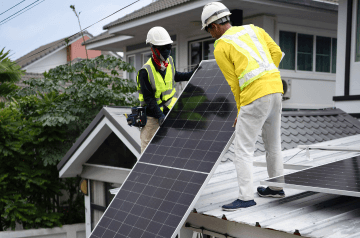
Good workmanship includes more than getting the panels onto the roof. Equipment placement, cable management, weatherproofing, conduit routing, electrical connections, and protection of the property during construction all matter.
For a homeowner, the finished appearance is important, but the underlying electrical and structural work is even more important.
Step 11: Inspection
Once installation is complete, the project may need to undergo the applicable inspection process.
The inspection helps verify that the completed work conforms to the approved project and applicable requirements.
If corrections are identified, the installer may need to make changes before the project can proceed.
This is another reason that permitting and installation should be viewed as connected parts of the same process.
A project is not necessarily finished simply because the last solar panel has been installed.
Step 12: Complete PG&E Interconnection
For a San Jose homeowner served by PG&E, utility interconnection is an important final stage of a grid-connected solar project.
PG&E explains that the contractor typically helps choose the system size, complete forms, install the system, and submit the application to connect the system to the grid. PG&E then reviews the interconnection application, performs any required engineering review, completes necessary utility-side work, and provides final permission to operate.
This distinction is important because installation and permission to operate are not the same event.
Homeowners should ask their installer where the project currently stands in the interconnection process and what remains before the system can be operated normally.
PG&E also states that customers should not turn on a solar or renewable system before receiving Permission to Operate.
What About NEM 2.0?
This is particularly important for anyone reading an older solar article.
PG&E states that NEM2 interconnection applications submitted before April 15, 2023 needed to meet the applicable final-clearance deadline to retain NEM2 eligibility. Applications that did not meet the April 14, 2026 final electrical clearance deadline transition to the Solar Billing Plan unless an applicable extension is approved.
Therefore, homeowners should not assume that an older article’s description of California solar compensation automatically applies to a new 2026 installation.
Your installer should explain the applicable utility program and interconnection requirements for your project.
Step 13: Activate and Monitor the System
After the required utility approval is completed, the system can proceed through the applicable activation process.
Modern solar systems commonly provide monitoring through an app or web-based platform.
Depending on the equipment, homeowners may be able to see:
- Solar production
- System status
- Historical production
- Energy consumption
- Battery charging and discharging
- Alerts
Monitoring can help homeowners understand how the system performs across different seasons.
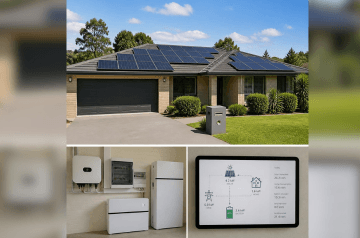
It can also make it easier to identify unusual system behavior that may warrant professional attention.
⭐⭐⭐⭐⭐ Responsive Service & Long-Term Support
“I installed my home solar system with Nabu Energy in early 2025. The company was engineering-driven and provided great customer service throughout the project. They delivered a reasonable quote and completed the installation efficiently. After having the system for a year, I noticed a potential improvement to the panel string configuration, and Nabu Energy provided the modification at no additional charge. I would highly recommend considering Nabu Energy for your solar needs.”
– Verified Bay Area, Homeowner
How Long Does Solar Panel Installation Take in San Jose?
There is no reliable single number of days that applies to every San Jose solar project.
The overall project timeline may involve:
Evaluation → Design → Engineering → Permitting → Installation → Inspection → Utility Interconnection → Permission to Operate
The physical installation may be completed relatively quickly, while the complete project can take longer because several parties and approval stages are involved.
Equipment availability, roof complexity, electrical modifications, permit review, inspection scheduling, and utility requirements can all affect the timeline.
For that reason, homeowners should ask:
“What is the expected timeline from contract signing through Permission to Operate?”
That is a much more useful question than simply asking:
“How long will installation take?”
How Many Solar Panels Does a San Jose Home Need?
There is no standard number of panels that every San Jose homeowner needs.
The number depends on the desired system capacity and the output of the selected modules.
More importantly, system sizing should begin with the home’s energy consumption and solar production potential.
For example, a homeowner with high electricity consumption and an EV may have very different requirements from a smaller household with lower electricity usage.
Similarly, a home with limited roof space may benefit from higher-output modules if appropriate, while a home with abundant usable roof area may have more flexibility in equipment selection.
A qualified installer should therefore explain why the proposed number of panels was selected, rather than simply presenting a panel count.
Can Solar Panels Charge an EV?
Yes. Solar-generated electricity can be used to support EV charging.
For homeowners planning both solar and EV charging, the important question is how the systems will fit into the home’s electrical infrastructure.
A Level 2 charger can represent a significant additional electrical load. If battery storage is also planned, the combined electrical requirements become even more relevant.
Homeowners considering solar and EV charging may also want to evaluate battery storage design and installation as part of their broader home energy plan
This does not mean a homeowner needs a particular solar system size simply because they own an EV.
It means the installer should understand the household’s current and future electrical loads before finalizing the design.
Should You Add Battery Storage With Solar?
Battery storage can be considered alongside solar when homeowners want to store electricity for later use or incorporate storage into a broader home energy strategy.
The right choice depends on the property, energy use, equipment, utility structure, and homeowner’s objectives.
A battery should not simply be added because it is marketed as a standard component.
Instead, homeowners should ask:
- What problem will the battery solve?
- What capacity is appropriate?
- How will it interact with the solar system?
- Where will it be installed?
- Does the electrical system support the proposed configuration?
- What future loads should be considered?
Discussing these questions before installation can help avoid treating battery storage as an afterthought.
Is Tesla Solar Installation the Only Option?
No.
Tesla is a major name in residential energy technology, but homeowners can evaluate solar equipment from multiple manufacturers.
The more useful question is not simply:
“Which solar brand is the best?”
Instead, ask:
“Which system configuration is appropriate for my home?”
The answer can depend on:
- Roof layout
- Shading
- Available space
- System size
- Inverter architecture
- Battery plans
- EV charging
- Equipment availability
- Warranty requirements
- Installer experience
Brand recognition can be useful when researching equipment, but it should not replace a property-specific system evaluation.
How Much Does Home Solar Installation Cost in San Jose?
Solar installation costs vary significantly between properties.
There is no responsible way to provide one universal installation price for every San Jose home without evaluating the project.
Cost can be influenced by:
- System size
- Panel selection
- Inverter architecture
- Roof complexity
- Electrical work
- Main service requirements
- Battery storage
- Equipment location
- Engineering
- Permitting
- Installation conditions
Homeowners should also distinguish between the price of the equipment and the scope of the complete project.
A proposal should make clear what is included and what could result in an additional cost.
California’s Contractors State License Board provides consumer information about solar contracts and disclosures, including information that can help consumers understand total costs, contract terms, contractor licensing, and other important aspects of a solar project.
What Should You Look for in a Solar Proposal?
A good proposal should give a homeowner enough information to understand what they are purchasing.
At minimum, review:
| Proposal Item | What to Understand |
| System size | How much solar capacity is being installed |
| Panel model | Manufacturer and specific equipment |
| Inverter | Type and configuration |
| Estimated production | Expected energy generation and assumptions |
| Battery | Whether storage is included or optional |
| Electrical work | What modifications are included |
| Permitting | Who handles permit applications |
| Interconnection | Who coordinates with PG&E |
| Warranty | Equipment and workmanship coverage |
| Monitoring | How system performance is monitored |
| Project timeline | Expected stages and responsibilities |
| Contract terms | Price, scope, cancellation rights, and obligations |
The California Solar Consumer Protection Guide is also an important resource for homeowners evaluating residential solar contracts. CSLB notes that the CPUC recommends solar providers give this guide to potential customers during their first contact, with applicable requirements for residential solar interconnection customers.
Questions to Ask a Solar Installer Before Signing
Before signing a contract, ask the installer to explain the project in plain language.
For example:
Who is responsible for permitting?
You should know whether the installer handles the permit process or expects the homeowner to do anything.
Who submits the PG&E interconnection application?
PG&E identifies the contractor as a key participant in submitting the application and completing the connection process.
What electrical work is included?
If a panel upgrade or other modification becomes necessary, you should understand whether it is included in the original scope.
What happens if the project requires changes?
Ask how change orders are handled.
Who performs the physical installation?
Understand who is responsible for the construction work.
What happens after installation?
Ask who handles warranty issues, monitoring problems, equipment failures, and service requests.
These questions can reveal important differences between proposals that initially appear similar.
A San Jose Homeowner’s Solar Installation Checklist
Before moving forward, make sure you understand:
- Your home’s current electricity consumption
- Your expected future electricity needs
- Roof condition and usable roof space
- Shading considerations
- Proposed system size
- Solar panel and inverter specifications
- Battery storage plans, if applicable
- EV charging plans, if applicable
- Electrical panel capacity
- Permit responsibilities
- Inspection responsibilities
- PG&E interconnection responsibilities
- Expected project timeline
- Warranty coverage
- Post-installation support
The objective is not to make the homeowner an electrical engineer.
It is to make sure you understand the major decisions before signing a contract.
Why San Jose Homeowners Should Think Beyond Solar Panels
A solar installation can become the foundation for a broader home energy strategy.
A homeowner who installs solar today may later decide to add:
- Battery storage
- EV charging
- Heat-pump HVAC
- Heat-pump water heating
- Additional electric appliances
These projects can interact with one another.
For example, an EV charger adds electrical demand. Battery storage adds another piece of electrical equipment. Electrifying water heating or HVAC can further change household electricity consumption.
This is why a solar assessment should ideally consider not only what the home needs today, but also what the homeowner expects the property to need in the future.
What Should San Jose Homeowners Expect From a Solar Installer?
Choosing a solar installer is about more than selecting panels and comparing prices. Homeowners should understand who will be responsible for system design, engineering, permitting, electrical work, installation, utility coordination, and post-operational support.
A qualified installer should be able to explain why a particular system design is appropriate for the property and how the proposed equipment, electrical infrastructure, and future energy plans fit together.
Homeowners should also confirm whether the installer can handle related requirements such as battery storage, electrical service work, EV charging, or other future upgrades if those are part of the homeowner’s plans.
Before signing a contract, it is worth asking:
- Who designs the system?
- Who performs the installation?
- Who handles permitting and inspections?
- Who coordinates the PG&E interconnection process?
- What electrical work is included?
- What warranties are provided?
- Who handles service or support after installation?
Nabu Energy provides residential solar PV design and installation, along with related electrical and energy-storage services in San Jose and the Bay Area. Homeowners can review the company’s residential solar services when comparing potential installers.
Schedule a No-Obligation Solar Assessment
If you are considering solar panel installation in San Jose and want to understand what your home actually needs, the first step is a property and energy evaluation.
Nabu Energy can review your home’s solar potential, electricity usage, electrical infrastructure, and future energy goals to help you understand the appropriate installation approach.
A solar assessment can help answer practical questions such as:
- What size system may fit the home?
- Is the existing roof appropriate?
- Does the electrical system require additional evaluation?
- Should battery storage be considered?
- Should future EV charging be included in the planning?
- What permitting and utility steps will be involved?
If you’re ready to discuss your home’s solar potential, contact Nabu Energy to discuss your project and next steps.
Frequently Asked Questions
1. How does solar panel installation work in San Jose?
Solar panel installation generally begins with evaluating the property and electricity usage. The project then moves through system design, equipment selection, engineering, permitting, installation, inspection, utility interconnection, and final permission to operate. The exact process and timeline depend on the property’s conditions and project scope.
2. How long does solar installation take in San Jose?
There is no universal timeline. The physical installation is only one stage of the project. Engineering, permitting, equipment availability, inspection scheduling, electrical work, and PG&E interconnection can all affect the total time from contract signing to permission to operate.
3. Do I need a permit to install solar panels in San Jose?
Residential solar projects generally involve permitting and inspection requirements. San Jose is currently operating under the 2025 California building codes for permit applications submitted on or after January 1, 2026. The exact requirements depend on the project and should be confirmed with the installer and applicable authorities.
4. Do I need an electrical panel upgrade for solar?
Not necessarily. Whether a panel upgrade or other electrical modification is required depends on the existing electrical infrastructure and proposed solar system. A professional electrical evaluation can determine whether the existing service is appropriate for the project.
5. How many solar panels does a San Jose home need?
There is no standard number. The appropriate number depends on the home’s electricity consumption, desired system capacity, available roof area, solar production potential, and the output of the selected panels.
6. Can I add an EV charger after installing solar?
It may be possible, but homeowners should consider future EV charging before the solar system is finalized. The charger adds electrical demand, so available electrical capacity and future loads should be considered during planning.
7. Should I install battery storage with solar?
Battery storage may be appropriate depending on your energy goals, electricity usage, utility structure, solar system design, and future plans. It should be evaluated as part of the overall system rather than automatically added to every solar installation.
8. Is a Tesla solar installation better than other solar systems?
Not automatically. Tesla is one option among several solar and energy technology providers. The appropriate equipment depends on the property’s roof, system design, electrical requirements, battery plans, equipment compatibility, warranties, and installer capabilities.
9. How do I choose the best solar company near me?
Compare contractor licensing, local experience, system design, equipment, warranties, permitting responsibilities, electrical work, utility interconnection responsibilities, installation practices, and post-installation support. Comparing only the advertised price can leave important differences hidden.
10. How much does solar panel installation cost in San Jose?
Costs vary by property and project scope. System size, equipment, roof complexity, electrical work, battery storage, engineering, permitting, and installation conditions can all affect the price. A property-specific proposal is more useful than relying on a generic price estimate.
11. Can solar panels power my entire San Jose home?
The amount of electricity solar can provide depends on the system size, solar production, household consumption, roof space, and other project factors. A properly designed system can offset a substantial portion of household electricity use, but the expected production should be evaluated against actual consumption.
12. Does solar still make sense under California’s current utility structure?
Solar economics depend on the applicable utility rate structure, system design, electricity consumption, and the homeowner’s energy goals. PG&E’s current interconnection information states that new projects should be evaluated under the applicable Solar Billing Plan rules rather than assuming older NEM2 treatment.
13. Can I install solar on an older San Jose home?
Potentially. Older homes may require additional evaluation of the roof and electrical infrastructure before installation. The home’s age alone does not determine whether solar can be installed.
14. Can solar be installed on a new home or ADU?
Solar can be incorporated into new construction and ADU projects, but the applicable requirements depend on the project and construction scope. Solar planning should be coordinated with the broader electrical and building design.
15. Why should I get a professional solar assessment?
A professional assessment can help evaluate the home’s roof, solar potential, electricity consumption, electrical infrastructure, and future energy requirements before equipment is selected or purchased. This provides a more informed starting point for system design and project planning.
Key Takeaways
Solar panel installation in San Jose is a multi-stage project rather than simply a roof installation.
The most important considerations are:
- Start with the property. Roof condition, shading, usable space, and electrical infrastructure influence the design.
- Use real electricity data. Your home’s actual consumption provides a better starting point than an arbitrary system size.
- Think about the future. EV charging, battery storage, heat pumps, and other electrification projects can change future electricity needs.
- Compare the complete project. Equipment, engineering, permitting, electrical work, utility interconnection, warranties, and service all matter.
- Understand the 2026 environment. San Jose’s 2025 code cycle and PG&E’s current interconnection rules mean homeowners should not rely on outdated solar information.
- Choose the installer carefully. Licensing, technical capability, installation responsibility, communication, and post-installation support are important parts of the decision.
Sources & References
Primary Local and Utility Sources
- City of San José – Adopted Building Codes
- PG&E – Getting Started With Solar
- PG&E – Electric Generation Interconnection
- California Contractors State License Board – Solar Smart
- California Contractors State License Board – C-10 Electrical Contractor Classification
Additional Reference
- California Energy Commission – solar equipment and California clean-energy resources.
- California Public Utilities Commission – California solar consumer-protection and utility-program information.
- U.S. Department of Energy -residential solar and renewable-energy resources.
Disclaimer
This article is intended for general educational purposes only and should not be considered electrical, engineering, legal, permitting, tax, or financial advice.
Solar production, utility programs, permitting requirements, building codes, equipment availability, project costs, and interconnection requirements can change. Every property is different. Homeowners should obtain a qualified professional evaluation and verify current requirements with the appropriate local authorities and utility before making decisions about solar installation or related electrical work.