Location: Fremont, California
Estimated Reading Time: 12 minutes
Last Updated: August 2026
Quick Summary
Installing solar on your Fremont home does not have to mean managing every technical detail yourself.
For most homeowners, the stressful part of a solar project is not the panels going onto the roof. It is everything surrounding the installation: understanding whether the home is suitable, coordinating design decisions, navigating permits and inspections, dealing with HOA requirements where applicable, preparing for installation day, and knowing when the system can actually be turned on.
A well-organized residential solar installation should give the homeowner a clear understanding of what happens at each stage and who is responsible for it.
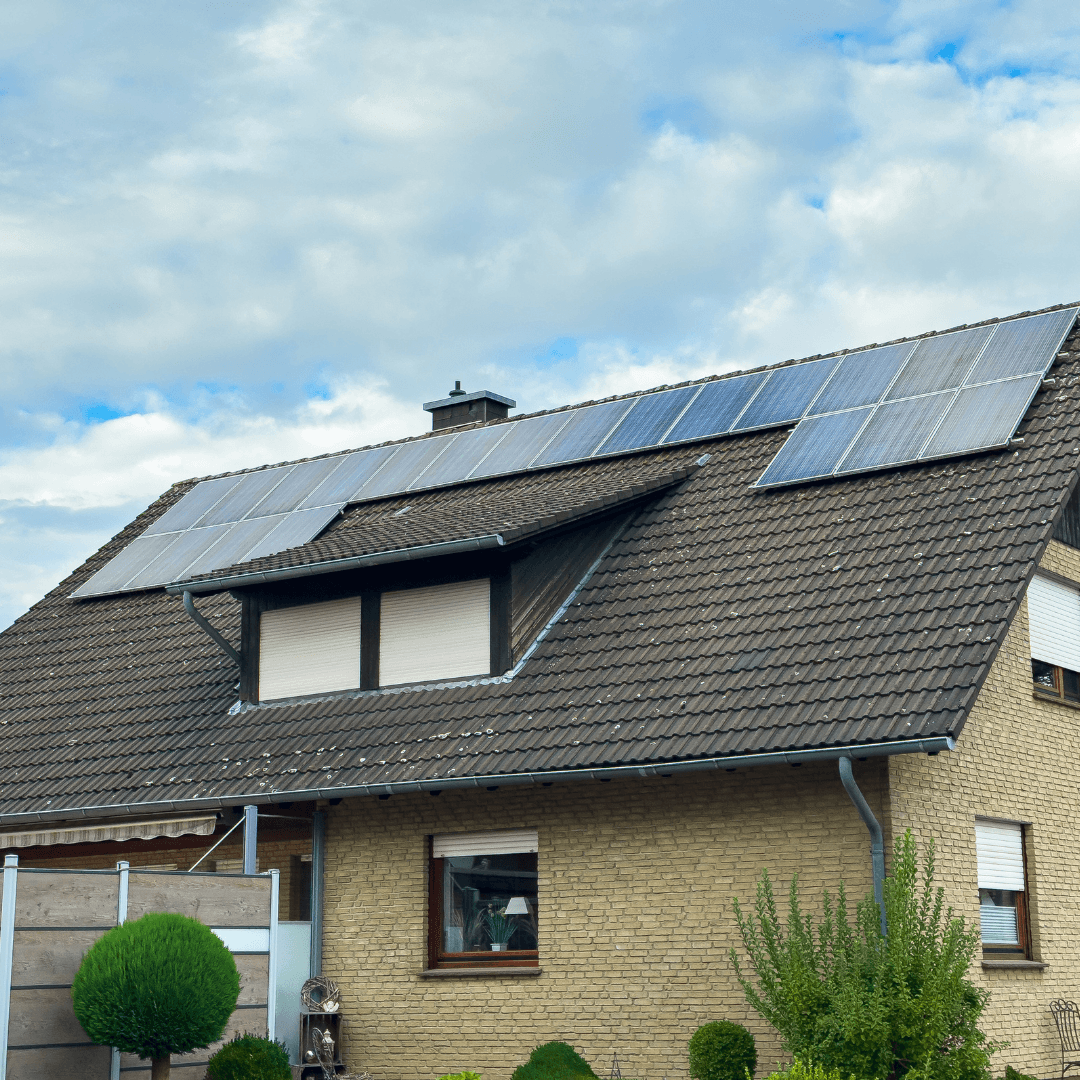
This guide explains the solar panel installation process from the homeowner’s perspective, including what to expect before installation, how Fremont permitting fits into the project, what can happen with tile roofs, how long different stages may take, and what homeowners should look for when comparing solar installers near me.
The goal is simple: less uncertainty, fewer surprises, and a clearer understanding of what is happening with your home.
Why Solar Installation Can Feel More Complicated Than Expected
When homeowners first consider solar, they often imagine a relatively straightforward process:
- Choose a solar company.
- Put panels on the roof.
- Connect the system.
- Start generating electricity.
The physical installation is certainly part of the project, but it is only one stage.
Before panels reach the roof, someone needs to understand the property’s roof, electrical system, shading, equipment requirements, and available installation area.
Plans may need to be prepared and submitted for approval.
Permits and inspections may be required.
The utility interconnection process must be completed before the system can operate in accordance with the applicable requirements.
And if the home is part of an HOA, there may be additional architectural or aesthetic requirements to consider.
This is why homeowners should think about solar installation as a project-management process, not simply a construction appointment.
A good experience starts with knowing what happens next.
What Should You Expect During Solar Installation?
The exact process varies by home, system size, equipment, permitting requirements, utility procedures, and site conditions.
However, most residential solar projects can be understood through several broad stages:
Property assessment → System design → Homeowner approval → Permitting → Utility/interconnection process → Installation → Inspection → Permission to operate → Monitoring
Understanding this sequence can make the project feel considerably more manageable.
You do not need to become an expert in electrical codes or solar engineering.
You simply need to know what each stage is intended to accomplish and what information you should receive from your installer.
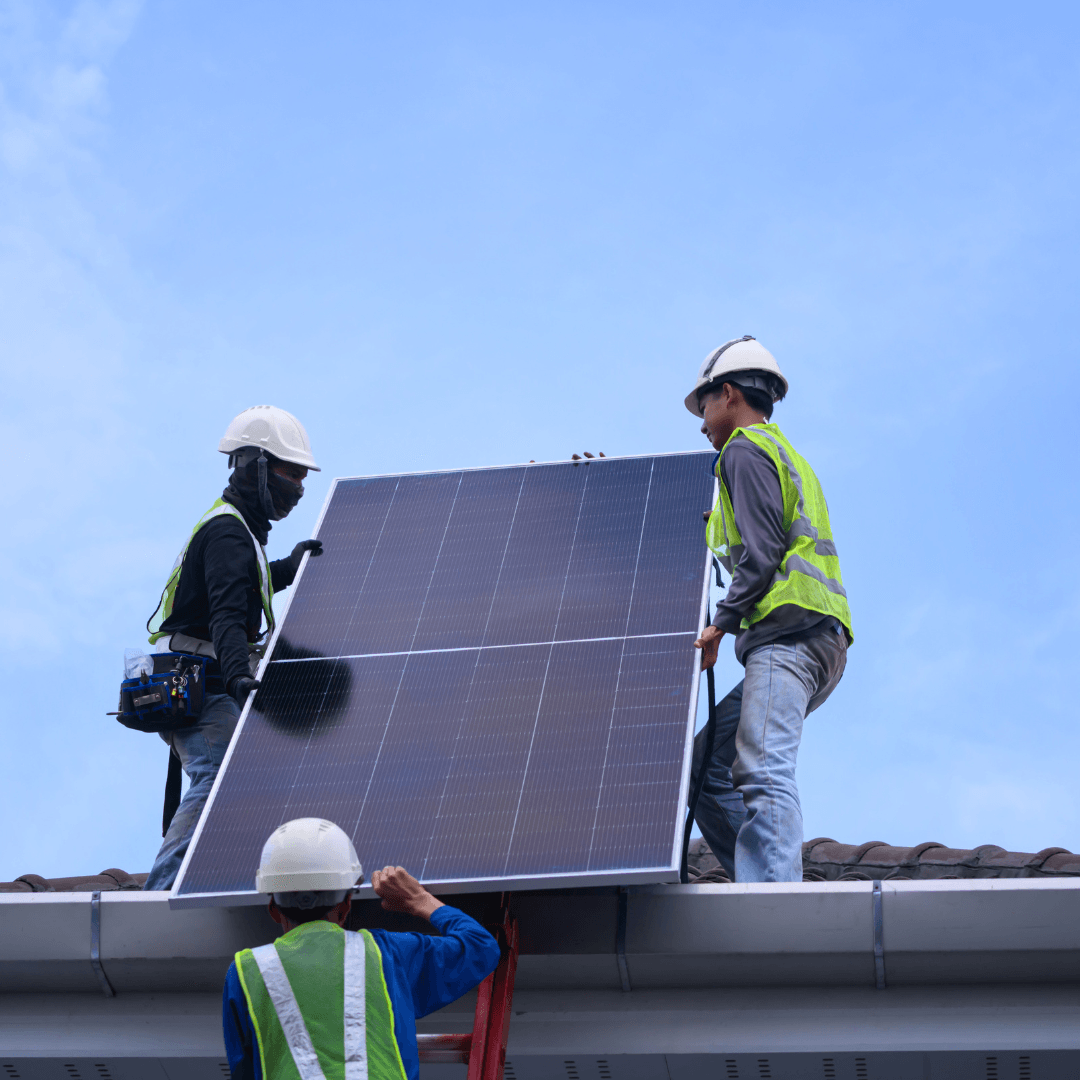
If you want a more detailed look at the solar panel installation process, see our step-by-step guide for homeowners.
Step 1: Start With a Property Assessment
Before anyone decides how many panels should go on your roof, the property needs to be evaluated.
A useful assessment should consider more than available roof space.
The installer may need to evaluate:
- Roof orientation
- Roof pitch
- Roof condition
- Roof material
- Shading from trees and nearby structures
- Available roof area
- Electrical service
- Main service panel
- Existing electrical equipment
- Potential equipment locations
- Battery storage requirements, if applicable
- Future electrical loads such as EV charging
This is particularly important in Fremont because residential properties can have very different roof configurations.
One home may have a large asphalt-shingle roof with minimal shading.
Another may have multiple roof planes and concrete tiles.
Another may have a relatively limited roof area but significant electricity consumption.
The solar design should reflect the actual property rather than applying the same layout to every home.
What About Solar Panels for Tile Roofs?
Many Fremont homeowners have tile roofs and naturally wonder whether the roofing material creates a problem.
It does not automatically prevent solar installation.
Solar panels for tile roofs can be installed when the mounting approach is properly designed for the roof and the specific installation conditions.
However, tile requires careful handling.
The installation team needs to account for attachment locations, roof structure, flashing and waterproofing, tile placement, and the way the mounting system integrates with the existing roof.
For the homeowner, one of the most useful questions is:
How will the solar mounting system be installed on my specific tile roof?
A good answer should explain the installation approach rather than simply saying that tile roofs are compatible with solar.
If your roof is older or may need replacement soon, that should also be discussed before proceeding.
Installing solar on a roof likely to require replacement in the near future can create additional work later, as the solar equipment may need to be removed and reinstalled.
Step 2: Develop the Solar Design
Once the property has been assessed, the next stage is creating the system design.
The design should account for the home’s electricity consumption and the physical characteristics of the property.
This is where decisions are made about:
- Panel quantity
- Panel placement
- Inverter configuration
- Equipment location
- Electrical connections
- Battery storage, if applicable
- Roof attachment locations
- Expected energy production
- Future electrical requirements
A homeowner should be able to understand the basic reasoning behind the design.
You do not need to understand every technical calculation.
But you should know why the installer selected particular roof areas and why the proposed system size makes sense for your household.
Step 3: Review the Design Before It Goes to Permitting
This is an important point that homeowners sometimes overlook.
Before plans move through the approval process, make sure you understand what is being proposed.
Look at the panel layout.
Ask where the inverter and other electrical equipment will be installed.
If a battery is included, understand where it will be located and what loads it is expected to support.
If you have an EV or plan to purchase one, ask whether future charging has been considered.
If you have a tile roof, ask how the mounting system will interact with the roof.
The purpose of this review is not to turn the homeowner into the project engineer.
It is to catch questions before installation begins.
Changing a design during the early planning stage is generally more straightforward than discovering a concern after equipment has already been installed.
Step 4: Navigate the City of Fremont Solar Permit Process
This is one of the areas where homeowners often want the installer to handle the heavy lifting.
A residential solar project in Fremont may involve building and electrical permitting, plan review, inspections, and utility interconnection requirements.
The City of Fremont solar permit process is therefore an important part of the project even though homeowners may not personally interact with every department or document.
The exact requirements can change depending on the property, project scope, equipment, and applicable regulations.
For that reason, homeowners should ask their installer:
Who prepares the permit plans?
Who submits the application?
Who responds if the city requests revisions?
Who schedules the required inspections?
Will I be informed if the approved design changes?
These questions matter because permitting delays are often frustrating when homeowners do not know what is happening behind the scenes.
What Does the Homeowner Actually Need to Do?
In many projects, the installer handles much of the technical permitting work.
The homeowner may still need to provide information, approve documents, respond to requests, or participate in an HOA process if one applies.
The important thing is to establish responsibilities early.
You should know which tasks belong to you and which tasks belong to the installer.
That distinction can make the project feel much less complicated.
What About HOA Requirements in Fremont?
Some Fremont homeowners live in communities governed by homeowners associations.
If your property is subject to an HOA, solar installation may involve additional architectural or aesthetic review requirements.
An HOA may have rules concerning the appearance or placement of solar equipment, although applicable California law limits how unreasonable restrictions can be imposed on residential solar installations.
The practical issue for the homeowner is understanding what documentation is required and who is responsible for submitting it.
Before installation begins, ask:
- Does my HOA require architectural approval?
- What documents need to be submitted?
- Who prepares those documents?
- Who submits them?
- Are there specific aesthetic requirements?
- Could the HOA review affect the proposed installation schedule?
The objective is not to assume that HOA requirements will create a problem.
It is to identify them early enough that they can be handled as part of the project.
Step 5: Understand How Long the Solar Installation Process Takes
One of the most common homeowner questions is:
How long does solar installation take?
There is no single answer because the physical installation is only one part of the overall project.
The complete timeline can involve several separate stages:
| Stage | What Happens |
| Initial assessment | Property and electricity requirements are reviewed |
| System design | Solar and electrical plans are developed |
| Homeowner approval | Final design and project scope are reviewed |
| Permitting | Plans are submitted for required approvals |
| HOA review | Applicable architectural review is completed |
| Utility process | Interconnection requirements are addressed |
| Installation | Panels and associated equipment are installed |
| Inspection | Required inspections are completed |
| PTO/activation | Utility requirements are completed before operation |
The physical installation may take considerably less time than the entire project.
That distinction is important.
A homeowner may see a crew arrive and assume the project should be complete immediately. But after the physical work, inspections and utility requirements may still remain before the system can be fully activated.
How Long Does the Physical Installation Take?
The on-site installation period depends on the size and complexity of the system.
A relatively straightforward residential system may be installed in a short period, while a more complex property may require additional time.
Factors that can affect the physical installation include:
- Number of panels
- Roof size and layout
- Tile or other specialized roofing
- Electrical service modifications
- Battery installation
- Main panel work
- Equipment accessibility
- Weather
- Unexpected site conditions
- Inspection requirements
A homeowner should therefore be cautious when an installer gives an extremely precise completion promise before the property and project scope have been fully evaluated.
A better approach is to understand the expected sequence and the conditions that could change the schedule.
Step 6: Prepare Your Home for Installation Day
Once the project reaches the physical installation stage, homeowners can make the process easier by preparing the property.
Ask your installer what access the crew will need.
Depending on the property, this could involve access to the driveway, garage, electrical equipment, roof access points, or other areas around the home.
You should also understand whether any temporary interruption to electricity is expected.
If the project involves electrical work, there may be periods when certain circuits or the home’s electrical service need to be turned off.
Your installer should explain this in advance rather than leaving you to discover it when the crew arrives.
Protecting Your Property
Solar installation involves people, tools, equipment, and material moving around your property.
Homeowners should reasonably expect the installation team to work carefully around landscaping, exterior finishes, driveways, walkways, and other property features.
This is particularly important when roof access is required.
Before installation begins, ask how the crew will access the roof and where equipment and materials will be staged.
Clear communication beforehand can prevent unnecessary misunderstandings.
Step 7: What Happens During the Physical Installation?
The exact sequence varies, but a typical residential solar installation may involve several activities.
What Happens on the Roof During Installation?
Once the installation begins, the crew typically works through several connected stages rather than treating panel installation as a single task. The roof areas identified in the approved design are prepared first, followed by installation of the mounting hardware. The solar panels are then positioned according to the approved layout and connected as part of the electrical system. On tile roofs, additional care may be required when working around the existing roofing material and attachment points. The exact sequence depends on the property and system design, but the homeowner should understand what work will take place on the roof before installation begins. Electrical components are installed and connected according to the system design.
This may include inverters, disconnects, wiring, monitoring equipment, and other associated components.
Battery Installation
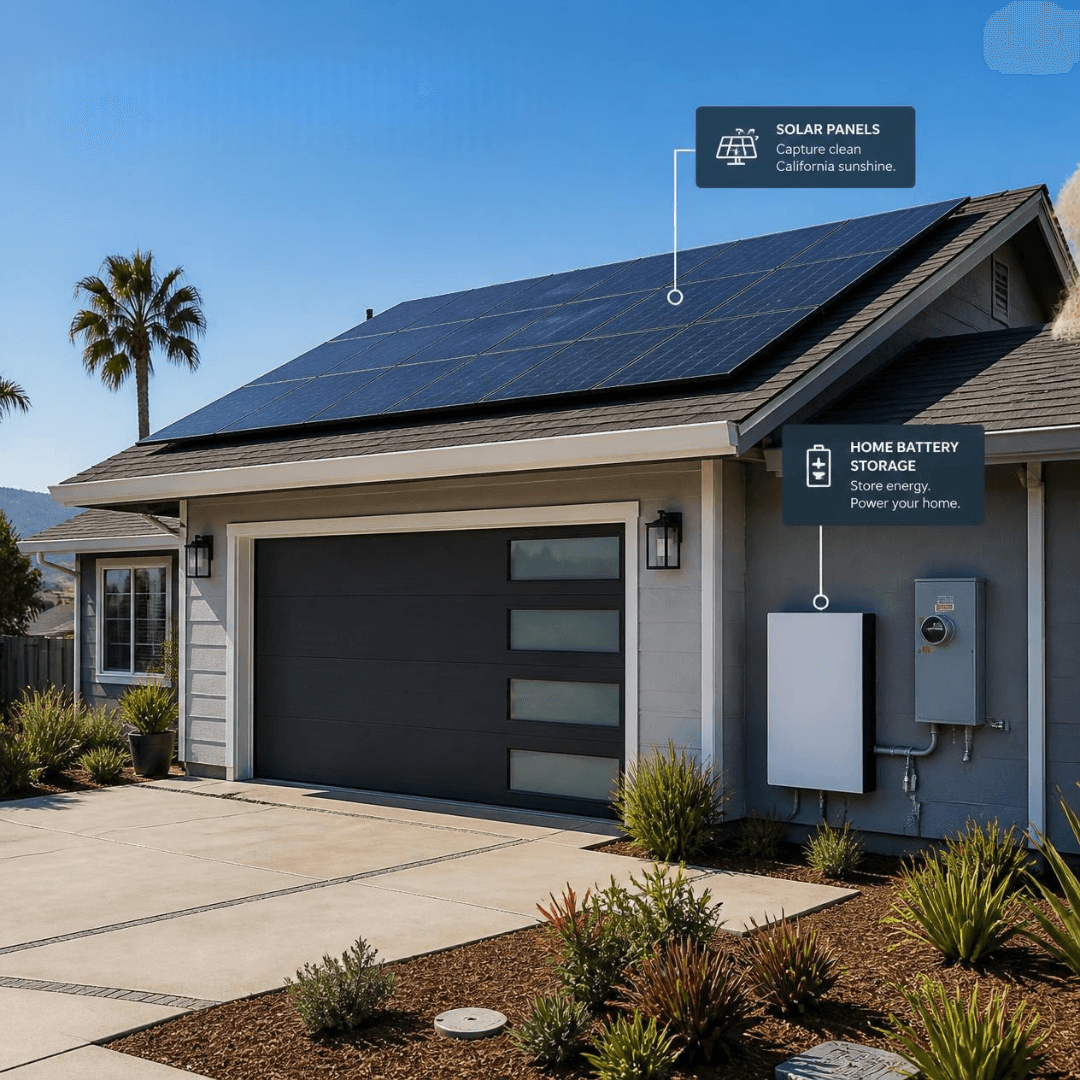
If the project includes residential solar battery storage, the battery and associated electrical equipment are installed according to the approved configuration.
System Testing
Before the project moves to final inspection and activation, the installed equipment needs to be checked and commissioned as applicable. The homeowner does not need to supervise every technical task.
The important thing is that the work is performed according to the approved design and that any material changes are communicated.
What If Something Unexpected Is Found During Installation?
Real homes are not always identical to drawings and photographs. An installer may discover a condition that was not apparent during the initial assessment.
For example, there could be a structural issue, unexpected wiring condition, roofing concern, or equipment-location limitation.
If something changes the planned work, the homeowner should receive a clear explanation.
Ask:
What was discovered?
Why does it matter?
What needs to change?
Does the change affect the system design?
Does it affect the project cost or schedule?
Good project communication does not mean that nothing unexpected ever happens. It means the homeowner is not left wondering what happened or why the project suddenly changed.
⭐⭐⭐⭐⭐ Careful Installation and Handling Unexpected Conditions
“My experience with Nabu Energy to install solar panels and battery backup has been very positive. The installation process is clear, and the cost is very reasonable. The team is careful and methodical. I also appreciated how the Nabu team handled the unexpected inspection request by the city to have my roof reinforced structurally. I definitely recommend Nabu Energy.”
– Verified Fremont Homeowner
Step 8: Inspection and Utility Interconnection
After the physical installation is completed, the project may still have important steps remaining.
Required inspections need to be completed.
The utility interconnection process must also reach the appropriate stage before the system can operate under the applicable requirements.
This is why asking “When will the panels be installed?” is different from asking:
“When will my solar system be approved and ready to operate?”
Those are not necessarily the same date.
Your installer should be able to explain what remains after physical installation and what event allows the system to begin operating.
What Should You Expect After Installation?
Once the system is approved and activated, the homeowner should understand how to monitor it.
A monitoring platform may allow you to view solar production, household energy use, battery activity, or other system information depending on the equipment.
You do not need to check the app constantly.
But it is useful to understand what normal system operation looks like.
If production appears substantially different from what you expect, the monitoring data can provide useful information when discussing the issue with your installer.
What Can Homeowners Do to Make Solar Installation Less Stressful?
The homeowner does not need to manage every stage.
But there are several things you can do to keep the project organized.
Keep Your Questions in One Place
Instead of sending separate questions through different channels, keep a running list of questions for your project contact.
This makes it easier to track answers.
Ask for Milestone Updates
You should know when the project has moved from:
Design → Permitting → Installation → Inspection → Utility Approval → Activation
You do not necessarily need daily updates.
You do need meaningful updates when the project reaches a major milestone.
Understand the Scope Before Work Begins
Make sure you understand what is included in the project.
This is particularly important if the project involves:
- Main panel work
- Roof repairs
- Battery storage
- EV charger installation
- Additional electrical work
Ask About Changes Before They Are Implemented
If something changes from the approved plan, ask why.
You should understand whether the change affects appearance, equipment, system performance, cost, or schedule.
How Should You Compare Solar Installers Near Me?
Searching for solar installers near me is a reasonable way to create a list of potential companies.
But proximity should not be the only consideration. A local installer should be able to explain how it will manage the practical parts of the project.
Ask potential installers:
Who handles the Fremont permitting process?
How are HOA requirements handled if they apply?
Who communicates with the utility?
How will the installation team protect the property?
How are changes communicated?
Who is my main project contact?
What happens if an unexpected site condition is found?
What happens after the panels are physically installed?
These questions can reveal much more about the homeowner experience than simply comparing advertised prices.
What Should a Good Residential Solar Installation Experience Look Like?
A stress-free solar project does not mean that nothing ever changes. It means the homeowner understands what is happening.
A good experience should include:
Clear Communication Throughout the Project
One of the easiest ways for a solar project to become stressful is for the homeowner to be unsure about what is happening or who is responsible for the next step. A clear project contact gives you one place to direct questions and helps prevent information from being lost between the sales, design, permitting, and installation stages. You should also know when meaningful updates will be provided, particularly when the project moves from design to permitting, installation, inspection, and final activation.
Realistic Expectations About the Timeline
A residential solar project involves several stages, and they do not all happen at the same time. Design, permitting, installation, inspection, and utility activation can each affect the overall timeline. Understanding this before the project begins can prevent a common source of frustration: assuming that the day the panels are installed is the day the entire project is finished. A good installer should explain what happens at each stage and identify which steps depend on the homeowner, the city, the utility, or the installation team.
Respect for Your Property
Solar installation involves workers, tools, equipment, and materials moving around your home, so homeowners should understand how the installation team plans to access the roof and where materials will be placed. This is particularly important for properties with landscaping, narrow side yards, delicate exterior finishes, or limited driveway space. Discussing access and property protection before installation can reduce unnecessary disruption and give the installation crew a clearer understanding of the homeowner’s expectations.
Clear Responsibility for Each Stage
A homeowner should not have to guess whether the installer, utility, city, HOA, or homeowner is responsible for the next step. Before the project begins, ask who will prepare and submit permit documents, who handles utility coordination, who schedules inspections, and whether the homeowner needs to provide any documents or approvals. Clear responsibility is particularly valuable when several organizations are involved because it prevents the homeowner from becoming an unnecessary middleman.
Transparent Communication When Something Changes
Even a well-planned installation can encounter an unexpected condition. The important issue is how that situation is handled. If the installer discovers a roof, electrical, structural, or equipment-location issue that requires a change, the homeowner should understand what was discovered, why the original plan is affected, and whether the change has any impact on cost, schedule, appearance, or system design. Being informed does not mean that every project must proceed exactly as originally planned; it means the homeowner understands why a change is necessary.
⭐⭐⭐⭐⭐ Clear Communication, Flexible Design & Smooth Installation
“Just wrapped up my solar installation with Nabu Energy and I honestly couldn’t be happier with how everything turned out. From the start, they easily had the best pricing I could find, and what I really appreciated was that there was zero upselling. They looked at our actual energy data to give us an honest initial assessment. Whenever we wanted to tweak the setup, like adjusting the number of panels or adding a battery, they got us a fast quote right away and never tried to push us in one direction or another.
Their communication and scheduling were super organized from day one. All the pricing and fees were clearly laid out with no hidden costs, and you could tell everything was thoroughly thought out ahead of time. They even set up a design session to work with us directly on the layout, doing everything they could to accommodate where we wanted the panels placed.
The installation itself was completely seamless. Best of all, we passed both the PG&E and city inspections on the very first try with literally zero delays.
If you’re looking for a reliable, no-nonsense solar company that delivers on time, I would highly recommend Nabu Energy.”
– Verified Fremont, Homeowner
Support After the System Is Activated
The homeowner experience should not end when the installation crew leaves. Once the system has been inspected and activated, you should know how to access the monitoring platform, what information it provides, and who to contact if production or equipment behavior appears unusual. A basic understanding of the monitoring system can also help you distinguish normal variations in production from situations that may require professional attention.
These factors may not appear on a solar equipment specification sheet, but they can have a significant effect on the homeowner experience.
Common Mistakes Fremont Homeowners Should Avoid
Choosing an Installer Based Only on Price
The cheapest proposal is not necessarily the simplest project or the best overall value.
Compare the complete scope, equipment, installation approach, permitting responsibilities, warranties, and expected homeowner involvement.
Assuming Installation Day Is the End of the Project
The physical installation may be completed before inspections and utility requirements are finished.
Understand what happens after the crew leaves.
Waiting Until Installation to Ask About the Roof
If you have tile roofing or concerns about roof condition, address them during the design stage.
Ignoring HOA Requirements Until the Last Minute
If your property is subject to an HOA, determine the applicable process early.
Assuming Every Installer Handles Permitting the Same Way
Ask specifically who prepares plans, submits applications, responds to corrections, schedules inspections, and coordinates utility requirements.
Not Asking Who Your Point of Contact Is
A clear project contact can make communication much easier.
Focusing Only on “How Fast?”
Speed matters, but rushing one stage can create problems elsewhere.
A better question is:
“What is the expected timeline, and what needs to happen at each stage?”
A Fremont Homeowner’s Residential Solar Installation Checklist
| Stage | What to Confirm |
| Property assessment | Roof, shading, electrical system, and equipment locations evaluated |
| Roof | Condition and roofing material considered |
| Tile roof | Mounting and waterproofing approach explained |
| System design | Panel layout and system size explained |
| Electrical | Existing service and planned electrical loads evaluated |
| HOA | Applicable requirements identified |
| Fremont permitting | Installer responsibilities clearly defined |
| Utility | Interconnection process explained |
| Installation | Expected on-site schedule explained |
| Property access | Homeowner knows what access the crew needs |
| Changes | Process for communicating unexpected conditions established |
| Inspection | Required inspection process explained |
| Activation | Homeowner understands when the system can operate |
| Monitoring | Homeowner knows how to monitor system performance |
| Support | Post-installation contact identified |
You do not need to control every item on this list. The purpose is to know who is responsible and what should happen next.
⭐⭐⭐⭐⭐ Experienced Team and Long-Term System Performance
“Two years ago they did solar with battery installation on a steep 45-degree second-story roof, which a lot of installers wouldn’t bother looking into. The Nabu team was very knowledgeable and easy to reach for concerns. I had changed the system size and configuration a few times, and they were accommodating. The on-site team was very meticulous, and the installation team was skilled and hardworking. The site survey and design went smoothly, and they were communicative about changes in design. Overall, a great team to work with. The system has been working great after two years without any problems. Highly recommended.”
– Verified Fremont, Homeowner
Frequently Asked Questions
How long does residential solar installation take in Fremont?
There is no universal timeline. The complete project can involve property assessment, design, permitting, HOA review where applicable, utility coordination, physical installation, inspection, and activation. The physical installation itself may take considerably less time than the complete project.
What is the solar panel installation process?
The process generally includes property assessment, system design, homeowner approval, permitting, utility/interconnection requirements, physical installation, inspection, and system activation. The exact sequence depends on the property and project.
What should I expect during solar installation?
Expect some combination of roof work, mounting installation, panel installation, electrical work, equipment installation, testing, and inspection. Your installer should explain what access is required and whether any temporary electrical interruption is expected.
Can solar panels be installed on tile roofs?
Yes. Solar panels for tile roofs can be installed using appropriate mounting methods. The installer should account for the tile material, roof structure, attachment points, waterproofing, and the specific roof layout.
Does Fremont require a solar permit?
Residential solar projects generally involve applicable permitting and inspection requirements. The exact requirements depend on the project and current local regulations. Homeowners should confirm the applicable requirements with the City of Fremont or their installer rather than relying on outdated information.
What is involved in the City of Fremont solar permit process?
Depending on the project, the process can involve preparing plans, submitting permit documentation, plan review, addressing corrections if necessary, and completing required inspections. Homeowners should ask their installer exactly which portions of the process the company handles.
Does an HOA have to approve my solar installation?
If your home is governed by an HOA, there may be an architectural review or documentation process. California law limits unreasonable restrictions on residential solar installations, but homeowners should still determine what procedures apply to their property.
Can I install solar if my roof is old?
Potentially, but the roof’s condition should be evaluated before installation. If a roof is likely to need replacement soon, coordinating the roofing and solar projects may be more practical.
Should I install solar and an EV charger at the same time?
Not necessarily, but if you already expect to purchase an EV, discussing the future charger during solar planning can help identify electrical requirements and future energy demand.
What happens after the solar panels are installed?
The project may still require inspection, utility/interconnection steps, and final activation before the system can operate under the applicable requirements. Your installer should explain what remains after physical installation.
How should I choose solar installers near me?
Look beyond proximity and price. Ask how the installer handles design, Fremont permitting, HOA requirements, installation, property protection, communication, inspections, utility coordination, and post-installation support.
What if something changes during installation?
If an unexpected site condition requires a change, the homeowner should receive an explanation of what was found, why the change is necessary, and whether it affects the design, cost, or schedule.
The Goal Is a Predictable Solar Experience
A residential solar installation does not have to be stressful simply because it involves multiple technical and administrative steps. The homeowner’s role should not be to become a permit specialist, solar engineer, electrician, roofer, and project manager all at once. Instead, you should be able to understand the overall process, make informed decisions, provide the information your installer needs, and receive clear updates as the project moves forward.
For Fremont homeowners, that means paying attention to the things that can make a project more complicated:
Roof condition.
Tile roofing.
Electrical capacity.
HOA requirements.
City permitting.
Utility interconnection.
Property access.
Installation-day expectations.
Post-installation activation.
When these issues are addressed early, the installation process becomes much easier to follow. The goal is not simply to get solar panels onto your roof. It is to get from the first assessment to an operating solar system with as few unnecessary surprises as possible.
Planning Residential Solar Installation in Fremont?
If you are considering Fremont solar installation, start by understanding what your property requires and what responsibilities your installer will handle. A good residential solar project should account for your roof, electrical system, permitting requirements, potential HOA considerations, installation logistics, and the steps that remain after the physical work is complete. Once you understand those factors, comparing installers becomes much easier. You can ask better questions, understand the proposed timeline, and evaluate whether an installer is providing the level of communication and project management your home improvement project requires.
Nabu Energy provides residential solar, battery storage, and related electrical services for homeowners in Fremont and throughout the Bay Area.
Learn more about Nabu Energy and its approach to residential energy projects.
Ready to discuss your Fremont home? Contact the Nabu Energy team to discuss your project and the next steps.
Helpful Resources
For current information about permitting, utility requirements, and California residential solar regulations, homeowners should refer to official sources and current project documentation.
- City of Fremont: Current city information regarding permits, inspections, and residential construction requirements.
- PG&E: Current information regarding solar interconnection and utility requirements.
- California Energy Commission: State-level information regarding residential energy requirements and solar.
- California Solar Consumer Protection Guide: Consumer information about evaluating residential solar projects.
Disclaimer
This article is intended for general educational purposes only and should not be considered legal, financial, tax, engineering, electrical, construction, permitting, or energy advice. Solar installation requirements, permit procedures, HOA rules, utility requirements, equipment specifications, and regulations can change. Project timelines vary based on property conditions, system complexity, permitting, inspections, utility processes, weather, and other factors. Homeowners should verify current requirements with the applicable authorities and obtain a property-specific assessment before making installation decisions.
About the Author
Author: Nabu Energy Editorial Team
Position: Residential Solar & Home Electrification Education