
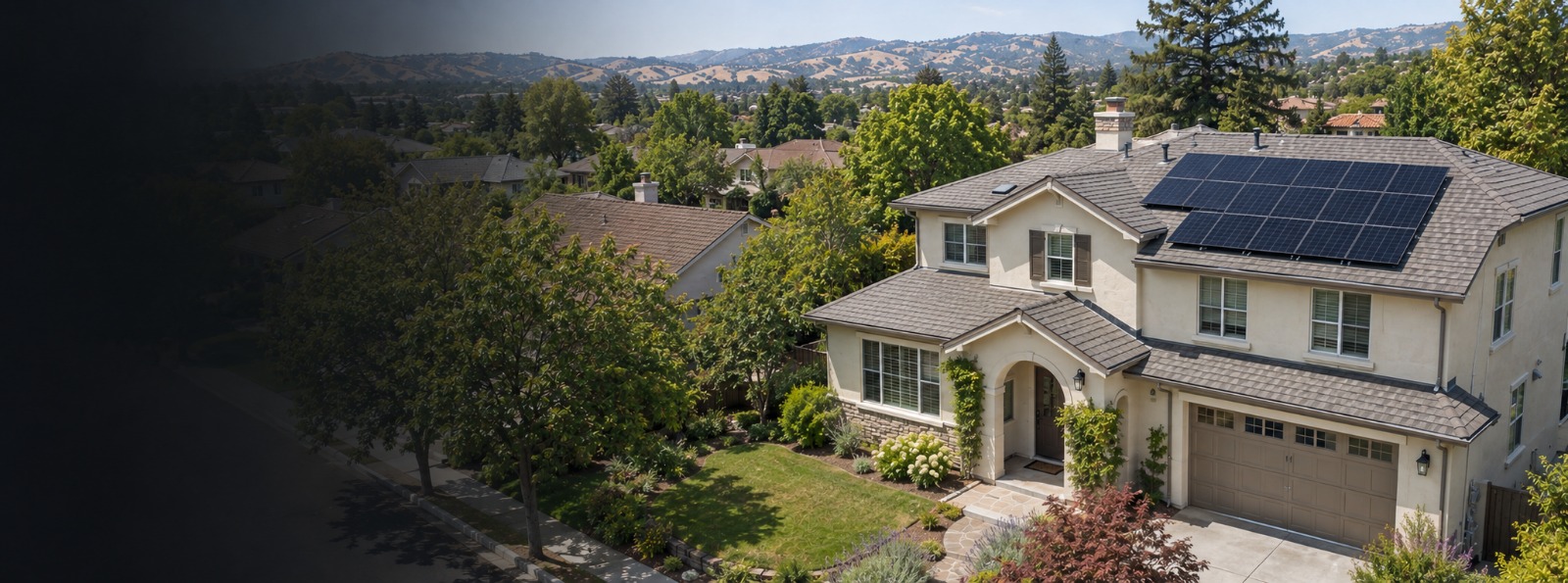
Solar Panel Installation in Orinda, CA
Nabu Energy LLC | CSLB License #1052356 (C-10 Electrical Contractor)
Explore solar PV and battery storage options based on your Orinda property’s roof, electricity usage, and energy requirements. As a solar company serving Orinda, CA, we help homeowners and businesses understand system design, permitting considerations, and the installation process before deciding how to proceed.
Nabu Energy provides residential solar installation in Orinda, commercial solar PV, battery storage, and EV charging solutions, subject to project requirements and service availability. Each proposal is based on the property’s conditions, electrical infrastructure, and intended use.
Solar and Battery Installation Services for Orinda Properties
We assess the property’s roof, available sunlight, electricity use, electrical infrastructure, and utility arrangements before preparing a proposed system. For contracted projects, we coordinate the applicable design, permitting documentation, installation, inspections, and utility interconnection.
Our services may include residential solar PV, commercial solar systems, battery storage, EV charger installation, and related electrical work. The final scope depends on the property’s requirements and the services confirmed for the project.
Explore our solar PV installation services to learn more about residential and commercial system design.
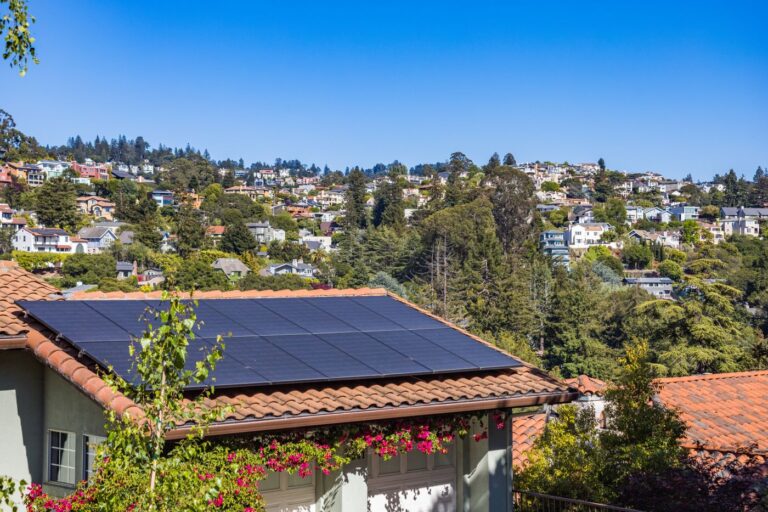
Why Consider Solar for Your Orinda Property?
Solar may be worth exploring if you want to generate electricity at your property and use some of that energy on-site. Whether a system is suitable depends on the property’s physical conditions, electricity use, and applicable utility arrangements.
Assess Your Roof and Available Sunlight
Orinda’s hillside terrain and established vegetation make a property-specific roof and sunlight assessment important. Tree shading, roof orientation, usable roof area, roof condition, and nearby obstructions can affect the layout and design of a solar PV system. We also consider whether roof repairs or other work should be addressed before installation. Roofing work is outside our electrical license classification and would need to be performed by an appropriately licensed contractor.
Review Your Electricity Use
Your electricity consumption throughout the day helps inform the proposed system size. Reviewing recent utility bills and usage history can help identify consumption patterns and provide useful information for system design.
Consider Battery Storage and EV Charging
Battery storage may be relevant if you want to use more of your solar generation after sunset or need backup for selected circuits. If you own or plan to purchase an electric vehicle, charging schedule and available electrical capacity should also be considered when planning the property’s energy equipment.
Read moreRead less
Learn more about our battery storage installation services and EV charging installation services .
Solar and Energy Solutions Available in Orinda
The right combination of equipment depends on the property’s requirements, electrical capacity, and project objectives.
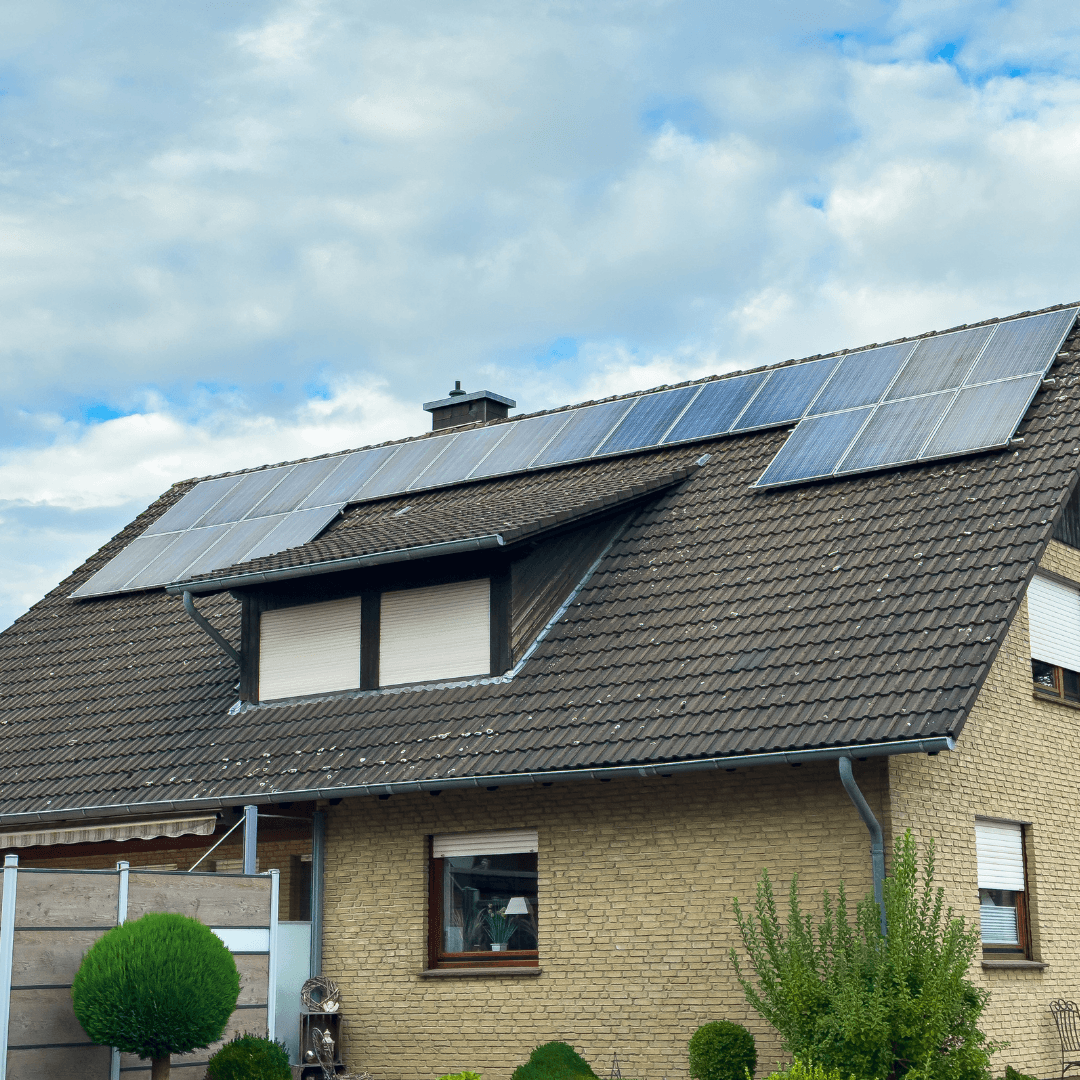
Residential Solar Panel Installation
A residential solar PV system converts sunlight into electricity for use in your home. Our home solar installation planning considers electricity consumption, roof orientation, shading, available roof area, equipment selection, and applicable electrical and permitting requirements. We design the proposed system around the property’s conditions rather than using a standard panel configuration.
Read moreRead less
Learn more about residential solar PV system design and installation .
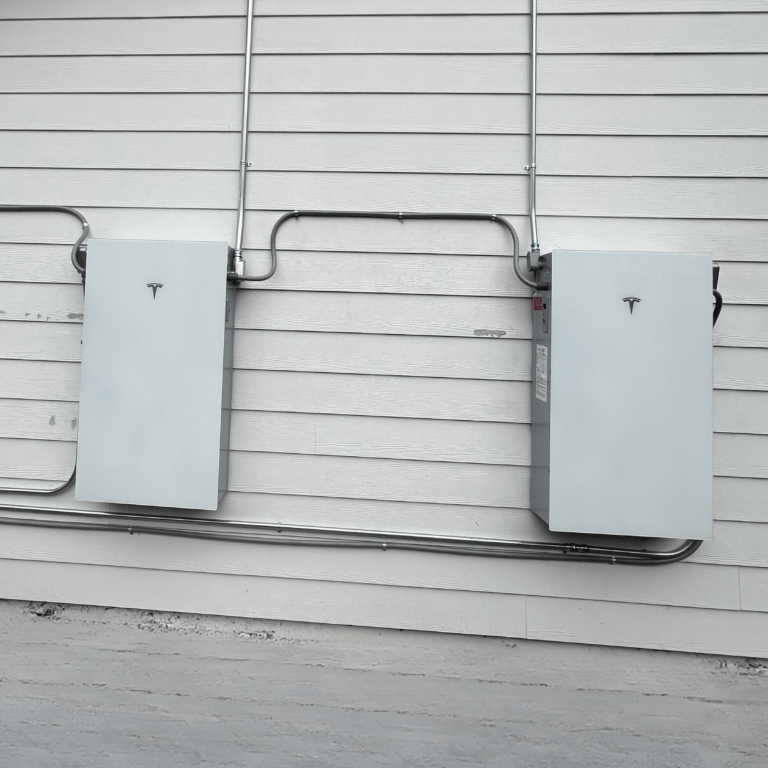
Solar Battery Installation and Storage
A home battery stores electricity for use at another time. A solar battery installation in Orinda, CA may be considered alongside a new solar PV system or, where equipment compatibility allows, as an addition to an existing system. The proposed battery storage configuration depends on energy use, inverter compatibility, available electrical capacity, and backup requirements.
Read moreRead less
A standard grid-connected solar system generally shuts down during a utility outage. Backup power requires compatible battery and inverter equipment and an appropriate electrical configuration. The circuits supported and backup duration depend on the system design, available stored energy, solar generation, and connected loads. Backup power is not guaranteed during every outage.
Explore our solar battery storage installation services for more information .
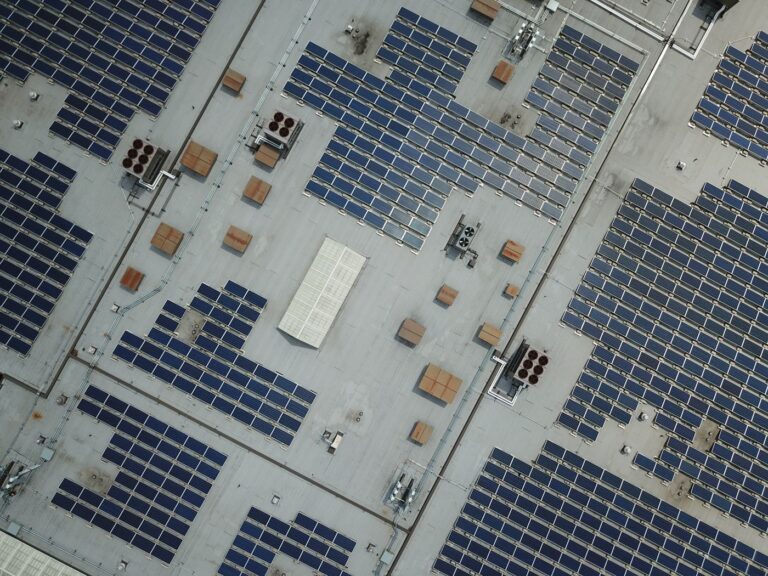
Commercial Solar PV Systems
Businesses may evaluate commercial solar installation in Orinda to generate electricity for their operations using suitable roof or other approved installation areas. A commercial assessment considers operating hours, electricity demand, roof condition, available installation area, existing electrical infrastructure, equipment requirements, site access, and applicable permitting and utility interconnection requirements.
Read moreRead less
The proposed system size, scope, and project costs should be based on the actual property and its electricity requirements.
Learn more about commercial solar PV system design and installation .
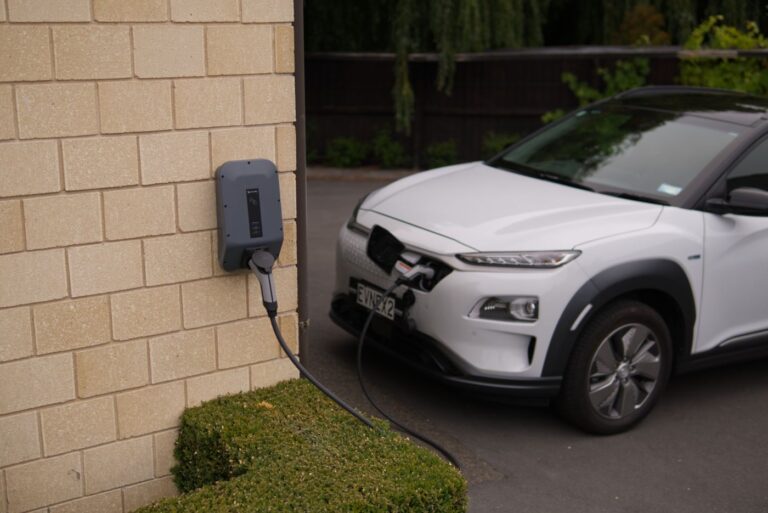
EV Charger Installation
We provide EV charging installation services, subject to project scope and service availability. Planning considers the vehicle, charging schedule, charger specifications, and the property’s electrical capacity. An assessment helps determine whether additional electrical work or a panel upgrade may be needed.
Read moreRead less
Solar and EV charging can be evaluated together. The amount of vehicle charging supplied by solar depends on system generation, charging times, and the property’s overall electricity demand.
Explore our EV charging station installation services .
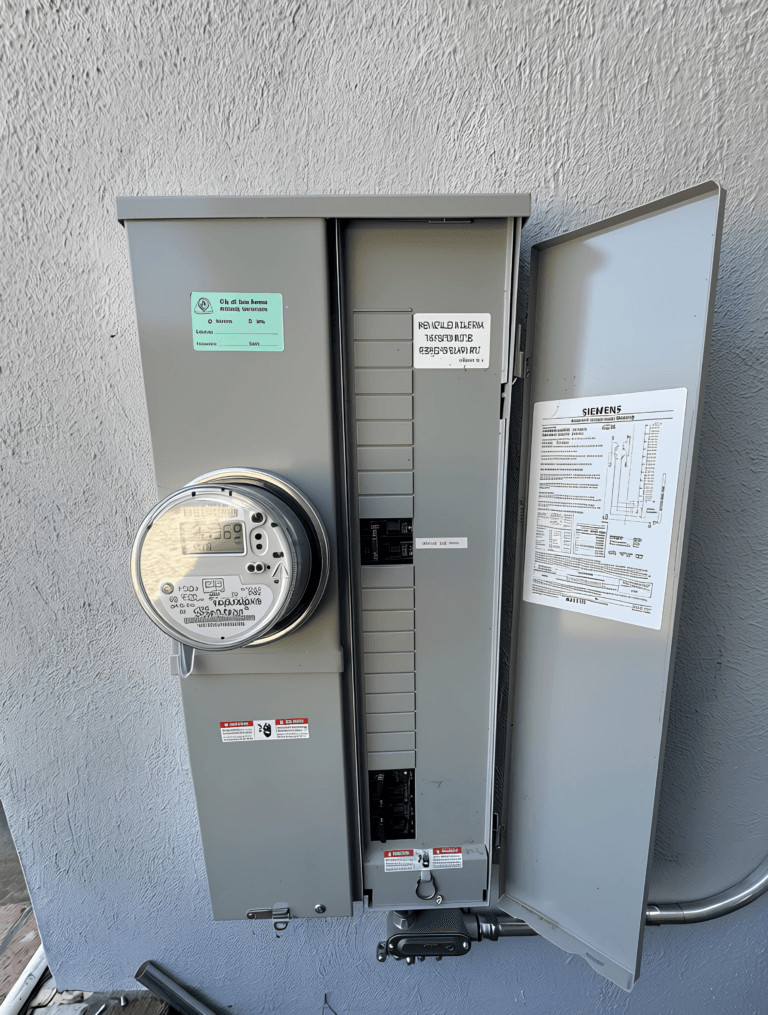
Electrical Panel Upgrades and Related Work
Some solar, battery, and EV charging projects require changes to existing electrical infrastructure. We assess the electrical panel and available service capacity against the proposed equipment. Any required upgrade should be based on the project’s technical requirements and applicable electrical codes, with the proposed scope identified during project planning.
Read moreRead less
Learn more about our electrical panel upgrade services .
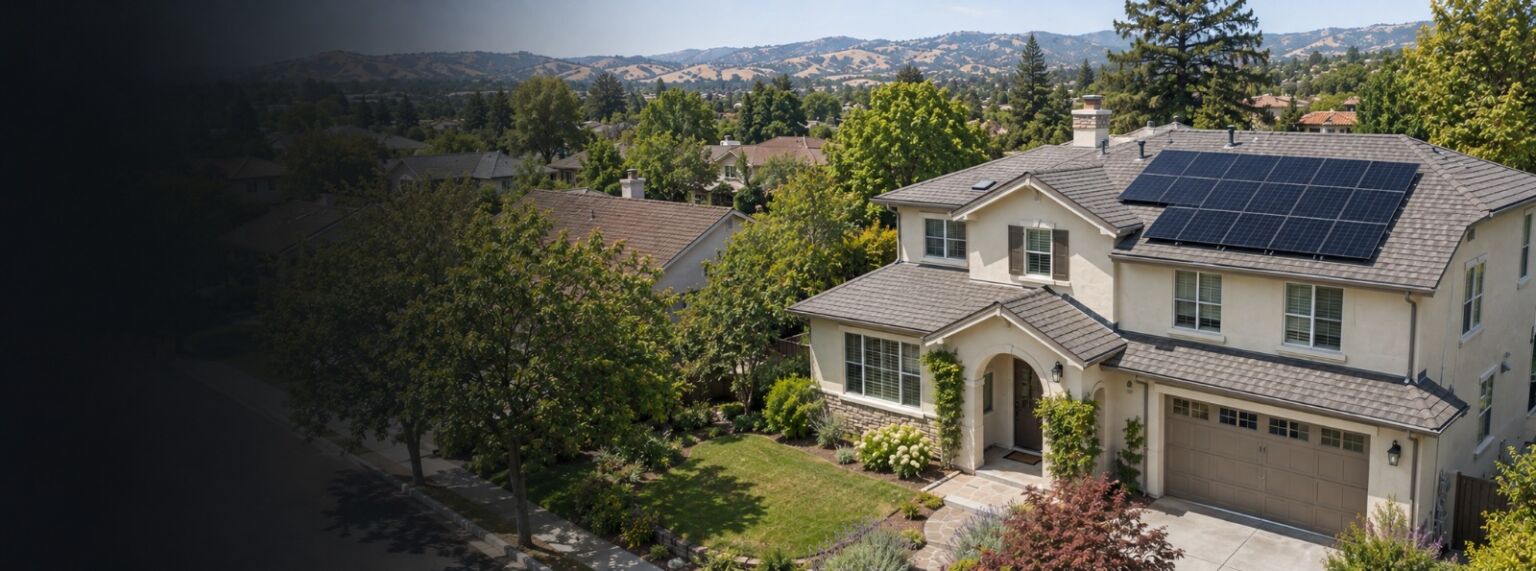
PG&E, Solar Billing and Electricity Credits in Orinda
The City of Orinda’s Utility Service Providers page identifies Pacific Gas and Electric Company (PG&E) as the provider of gas and electric service in the city. Confirm the utility account and applicable rate for your property on your current bill.
How Solar Generation Affects Your Electricity Bill
Electricity generated by a solar PV system can first serve the property’s electricity demand. When the system produces more electricity than the property is using at that time, excess electricity may be exported to the grid, subject to the system configuration and utility interconnection arrangement.
The value of exported electricity depends on the applicable utility tariff and compensation rules; export credits should not be assumed to equal the retail rate charged for electricity purchased from the grid.
California’s Net Billing Tariff
California’s Net Billing Tariff (NBT), also known as the Solar Billing Plan and sometimes called “NEM 3.0,” applies to qualifying new solar interconnections under the participating utility’s applicable rules. Under this arrangement, exported electricity receives credits based on the applicable export compensation rates, which may differ from retail electricity rates. The tariff and billing arrangements depend on the utility, customer eligibility, and interconnection date.
For further information, refer to the California Public Utilities Commission’s Net Energy Metering and Net Billing resource. You can also review the California Solar Consumer Protection Guide before entering into a solar agreement.
Solar Permits and the Installation Process in Orinda
Rooftop solar installation in Orinda requires the applicable building and electrical permits. The City of Orinda’s Building Permits page states that Planning Department review is not required for flush-mounted, roof-mounted solar installations on residential properties. The Contra Costa County Building Department is responsible for reviewing and issuing building permits for Orinda properties. Other city or agency requirements may apply depending on the property and project.
SolarAPP+ Eligibility in Orinda
Contra Costa County offers a SolarAPP+ automated permitting pathway for qualifying residential rooftop solar PV and solar-plus-storage projects. Not every property or system qualifies. The County’s published eligibility conditions include the following:
- The system must be installed on the main dwelling of a permitted residential structure; accessory-structure installations are not eligible.
- Ballasted systems and mobile home park installations are excluded.
- Properties in FEMA Special Flood Hazard Areas and registered historic properties are excluded.
- Properties within the Buchanan Field or Byron Airport Safety Zones are excluded.
- The parcel must have a valid street number and street name.
- For Orinda projects, applicants must also have an active City of Orinda business license.
This is a summary, not a complete eligibility checklist. Additional parcel, equipment, and project conditions may apply.
SolarAPP+ projects must be submitted by a licensed contractor who has previously registered with the SolarAPP+ platform. The automated pathway applies to qualifying residential rooftop PV and PV-plus-storage projects; commercial projects must follow the applicable permitting process.
For the complete requirements, review the Contra Costa County SolarAPP+ eligibility and permitting information. The County also provides an eligibility checklist for PV and PV-plus-storage systems.
Projects that do not qualify for SolarAPP+ must use the applicable standard permitting process. Battery storage, electrical panel upgrades, and associated electrical work must be included in the appropriate permit and approval process where required. We coordinate applicable permitting documentation for contracted projects; final permit approvals and inspection decisions remain with the relevant authorities.
For additional information about solar, energy storage, and EV-related permits, visit Contra Costa County’s Power Permits resource.
Our Solar Installation Process
We follow a structured process to plan and coordinate each contracted solar installation.
1. Property Review.
We review electricity usage, roof condition, available sunlight, electrical infrastructure, and project objectives.
2. System Design.
We prepare a proposed solar PV and battery configuration based on the property’s requirements, equipment specifications, roof layout, and electrical design.
3. Written Proposal.
We provide a written proposal outlining the proposed equipment, project scope, pricing, applicable warranties, exclusions, and responsibilities so you can review the work before proceeding.
4. Permitting and Utility Coordination.
We coordinate applicable permit documentation and utility interconnection requirements. The permitting pathway depends on the property’s location, system design, and eligibility.
5. Installation.
Our team carries out the installation according to the approved project design and applicable requirements.
6. Inspection and Authorization.
We coordinate applicable inspections and utility interconnection steps. The system must not be operated until required approvals and permission to operate have been received.
The overall project timeline depends on system design, permitting, equipment availability, installation complexity, inspection scheduling, and utility approval. We confirm scheduling based on the actual project requirements rather than promising a fixed completion date.
Solar Installation Costs, Financing, Incentives and Tax Information
The cost of solar panel installation in Orinda depends on the proposed system and the property’s installation requirements. A written proposal should identify equipment, installation scope, roof and electrical work, battery storage, permitting requirements, pricing, applicable warranties, exclusions, and contractual responsibilities.
What Affects the Cost of Solar Installation?
Factors that may influence a project quote include:
- Proposed solar system size and equipment selection
- Roof orientation, layout, accessibility, and condition
- Shading and available installation area
- Electrical panel capacity and any required upgrades
- Battery storage capacity and configuration
- EV charger installation or additional electrical work
- Permitting, inspection, and utility interconnection requirements
- Overall project complexity and installation conditions
Solar-Only and Solar-Plus-Battery Costs
A solar-only system and a solar-plus-battery system have different equipment requirements and costs. Battery storage adds equipment and installation costs. Whether it is appropriate depends on electricity use, the utility tariff, backup requirements, equipment configuration, and project budget.
Financing and Payment Options
Nabu Energy is not a lender; any financing is provided by third parties. Depending on the project and available arrangements, payment options may include:
- Cash purchase: You purchase the solar and battery system directly and own the installed equipment, subject to the agreement and applicable terms.
- Loan financing: A third-party financing provider may offer a loan for the installation. Approval, interest rates, repayment terms, and other conditions are determined by the provider.
- Prepaid Power Purchase Agreement (PPA): If offered for a particular project, a prepaid PPA may involve a third-party system owner. Ownership, payment structure, agreement term, maintenance responsibilities, warranties, and other contractual conditions can differ from a direct equipment purchase.
Before signing, review the complete agreement, including system ownership, total payment obligations, warranty and maintenance responsibilities, transfer conditions, applicable fees, and other requirements.
For more information, visit the Nabu Energy Services page.
Federal Solar Tax Credits and Other Incentives
Under current federal law, the Residential Clean Energy Credit under Section 25D is not available for expenditures made after December 31, 2025, so it does not apply to new residential solar or battery installations in 2026.
You can review the relevant information directly from the Internal Revenue Service – Working Families Tax Cuts and the IRS Residential Clean Energy Credit information page.
Other state, local, utility, or program-specific incentives may have separate eligibility requirements and availability conditions. Residential and commercial tax treatment differ; commercial projects should not be assumed to qualify for the same tax treatment as residential installations. Consult a qualified tax professional and check official program information before making a decision. Nabu Energy does not provide tax advice.
Understanding Potential Electricity Bill Outcomes
Nabu Energy does not provide solar savings estimates under the Net Billing Tariff (NEM 3.0) because future electricity usage and individual consumption behavior cannot be predicted reliably. Actual bill outcomes depend on electricity consumption and timing, PG&E rate schedules, solar generation, on-site use, export compensation, battery operation, equipment costs, and financing arrangements.
Our proposals focus on the proposed equipment, system design, project costs, and scope of work. They do not guarantee future savings, electricity bill reductions, or a payback period.
Your Rights as a California Solar Customer
California law gives residential solar customers specific protections. For residential solar contracts, you should receive:
- A Solar Energy System Disclosure Document on the front page of your contract, showing the total cost of the system, including financing costs, and how to submit complaints
- A written contract in the same language principally used in the sales discussion or marketing materials
- Notice of your right to cancel the contract within the period stated in your contract’s Notice of Cancellation
To file a complaint about any California contractor, contact the Contractors State License Board (CSLB) at www.cslb.ca.gov.
Why Consider Nabu Energy for Your Orinda Project?
When comparing solar installers serving Orinda, review the proposed equipment, installation approach, contractor credentials, project scope, and contractual responsibilities.
In-House Design and Installation
We handle our solar projects in-house, from system design through installation. Our own team carries out the installation rather than using subcontracted installation crews, providing one Nabu team to coordinate the contracted work.
Learn more about our solar PV and installation services .
Zero Sales Commissions
Nabu Energy does not pay sales commissions. Our engineers speak with you directly, which keeps project discussions focused on your property’s requirements, proposed equipment, system design, project costs, and installation scope.
Licensed California Electrical Contractor
Nabu Energy LLC holds California Contractors State License Board (CSLB) license #1052356, classified as a C-10 Electrical Contractor. You can independently check license status and classification through the California Contractors State License Board License Check .
Clear Scope, Coordination and Contract Terms
Before you proceed, we explain the proposed equipment, project scope, pricing, applicable warranties, permitting responsibilities, and contractual terms. For contracted projects, we coordinate the applicable design, permitting documentation, installation, inspections, and utility interconnection requirements.
Frequently Asked Questions About Solar Installation in Orinda, CA
1. Do I need a building permit to install rooftop solar panels in Orinda?
Yes. Rooftop solar installations require applicable building and electrical permits. The Contra Costa County Building Inspection Department handles building permits for properties in Orinda. Additional reviews or approvals may apply depending on the property and proposed installation.
2. Does flush-mounted residential rooftop solar require Planning Department review in Orinda?
According to the City of Orinda’s published guidance, Planning Department review is not required for flush-mounted, roof-mounted residential solar installations. Other property or project conditions may require additional review. Confirm the applicable requirements before proceeding.
3. Can my Orinda property qualify for Contra Costa County’s SolarAPP+ permitting pathway?
Some residential rooftop solar PV and solar-plus-storage projects may qualify. Eligibility depends on the property’s location, structure, system configuration, and current County requirements. Restrictions apply to certain properties and installation types, so review the current eligibility checklist before determining whether a project qualifies.
4. How do hillside properties and mature trees affect solar panel installation in Orinda?
Hillside terrain, roof orientation, tree shading, roof condition, and available installation area can affect solar panel placement and system design. A property assessment should consider sunlight exposure at different times of the day and identify any roof-access or electrical requirements that may affect installation. If you are considering removing or trimming trees to improve sunlight, check whether the City or other rules apply first.
5. Which electricity utility serves Orinda, and how does it affect solar installation?
The City of Orinda identifies Pacific Gas and Electric Company (PG&E) as the electric service provider. Your current utility rate, electricity usage, and applicable interconnection requirements should be reviewed when planning a solar PV system. Check your bill to confirm your account details.
6. How are excess solar electricity exports credited under PG&E’s Net Billing Tariff?
Under the applicable Net Billing Tariff, excess electricity exported to the grid may receive credits based on the relevant export compensation rates. These rates can differ from the retail price of electricity purchased from the grid. The applicable tariff and interconnection requirements determine how solar exports are credited.
7. Will solar panels continue working during a PG&E power outage in Orinda?
A standard grid-connected solar system generally shuts down during a utility outage for safety reasons. A compatible battery system with an appropriate backup configuration can provide electricity to selected circuits. Backup duration depends on battery capacity, system configuration, available solar generation, and connected electrical loads.
8. Can I add battery storage to an existing solar system at my Orinda property?
Possibly. Compatibility depends on the existing inverter, solar system configuration, available electrical capacity, and proposed battery equipment. Additional electrical work, permits, or utility approvals may be required, and changes to an existing system may affect how it is treated under your utility’s billing rules. The existing installation should be assessed before a battery upgrade is proposed.
9. What factors affect the cost of solar panel installation in Orinda?
Project costs depend on system capacity, equipment selection, roof condition, shading, installation access, electrical infrastructure, battery storage, and permitting requirements. A written proposal should identify the proposed equipment, installation scope, project pricing, applicable warranties, and contractual responsibilities.
Explore Solar Options for Your Orinda Property
Start with an assessment of your electricity use, roof condition, available sunlight, electrical infrastructure, and project goals. We can discuss whether residential solar panels, battery storage, commercial solar PV, or EV charging may be suitable for your property.
Contact us to discuss your Orinda project and request a written proposal.
Important Information
The information on this page is provided for general informational purposes only. It does not constitute engineering, legal, tax, or financial advice, a property-specific assessment, or a project proposal.
Actual solar generation, battery performance, utility credits, installation costs, permitting requirements, and project timelines depend on property conditions, equipment, utility tariffs, and applicable regulations. We do not guarantee electricity bill reductions, system performance, backup duration, or investment returns.
All project details, equipment, pricing, financing arrangements, warranties, and installation schedules are subject to individual assessment and written agreement. Utility rates, incentives, tax provisions, and regulatory requirements may change. Verify current requirements and consult appropriate professionals before making a decision.
Nabu Energy LLC | CSLB License #1052356 (C-10 Electrical Contractor)