
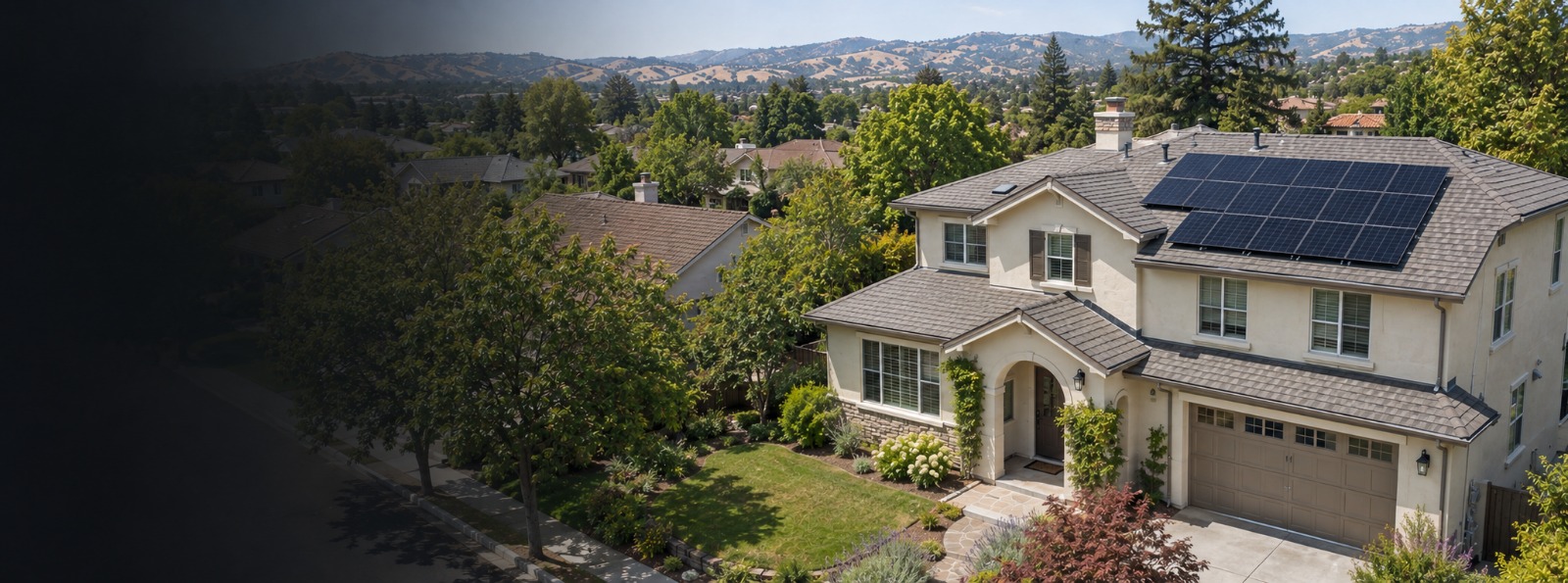
Solar Panel Installation in Walnut Creek, CA
Nabu Energy LLC | CSLB License #1052356 (C-10 Electrical Contractor)
Considering solar panel installation in Walnut Creek, CA? We help homeowners and businesses evaluate solar PV systems, battery energy storage, and related electrical upgrades based on their property, energy needs, and project requirements.
We handle our projects in-house, from system design through installation, with our own team coordinating the work rather than subcontracted crews. Our approach is focused on understanding each property’s requirements and explaining the available options before a project moves forward.
Whether you are considering rooftop solar, adding battery storage, or planning an EV charging installation, we can help you assess the next steps. Contact our team to discuss your requirements and request a project assessment.
Solar and Energy Solutions for Walnut Creek Properties
Walnut Creek has a mix of single-family homes, townhomes, condominiums, and commercial properties. Each property can have different considerations when evaluating a solar or energy storage system.
Roof design, available installation space, electricity consumption, shading, existing electrical infrastructure, and utility billing arrangements can all influence system design. Rather than recommending the same system for every property, we assess the site and discuss equipment and installation options based on the property’s requirements.
Our services include:
- Residential solar panel installation
- Battery energy storage systems
- Commercial solar installations
- EV charger installation
- Electrical panel upgrades
The suitability, scope, and configuration of each service depend on the property and the proposed project.
What to Evaluate Before Installing Solar in Walnut Creek
Before planning a solar installation, it is important to understand how your property and electricity usage may affect the system.
1. Roof Condition, Orientation, and Sunlight
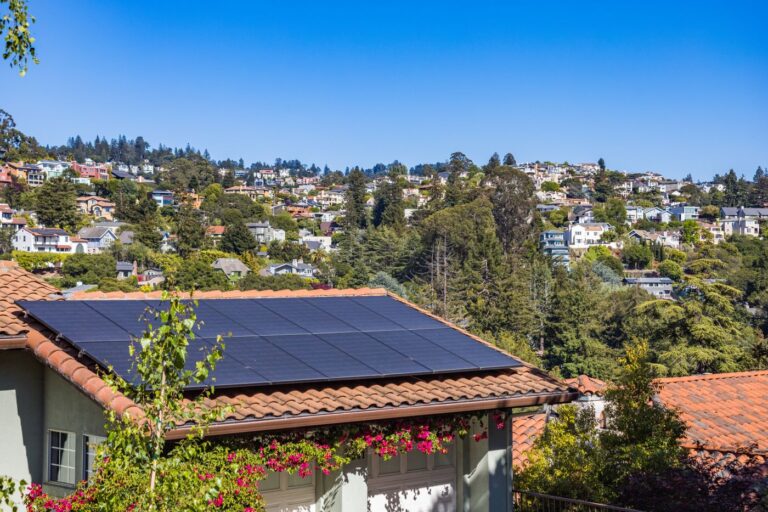
The roof’s condition, available surface area, orientation, pitch, and surrounding shade can influence solar panel placement and system design. Trees, nearby buildings, roof structures, and other obstructions may affect the amount of sunlight available throughout the day. We consider these site conditions when evaluating potential panel locations.
Read moreRead less
If a roof requires repairs or replacement, those requirements should be considered before proceeding with installation. Roofing work is outside our electrical license classification and would need to be performed by an appropriately licensed contractor.
2. Electricity Consumption and Usage Patterns
Your electricity consumption helps determine the potential size and configuration of a solar PV system. Reviewing electricity bills and usage patterns can help identify when energy demand is highest and how much electricity is consumed over time. This information is also relevant when evaluating whether battery storage may be appropriate.
Read moreRead less
System design should account for your property’s actual energy requirements rather than relying on a standard system size.
3. Existing Electrical Panel and Infrastructure
The existing electrical panel, service capacity, wiring, and available breaker space should be reviewed as part of the installation assessment. Some properties may require electrical modifications or a panel upgrade before a solar PV system, battery, or EV charger can be installed. The need for additional electrical work depends on the existing infrastructure, equipment specifications, and applicable code requirements.
Solar and Energy Installation Services in Walnut Creek
We provide solar and related electrical installation services for residential and commercial properties. The appropriate solution depends on your energy requirements, property conditions, and project objectives.
Residential Solar Panel Installation
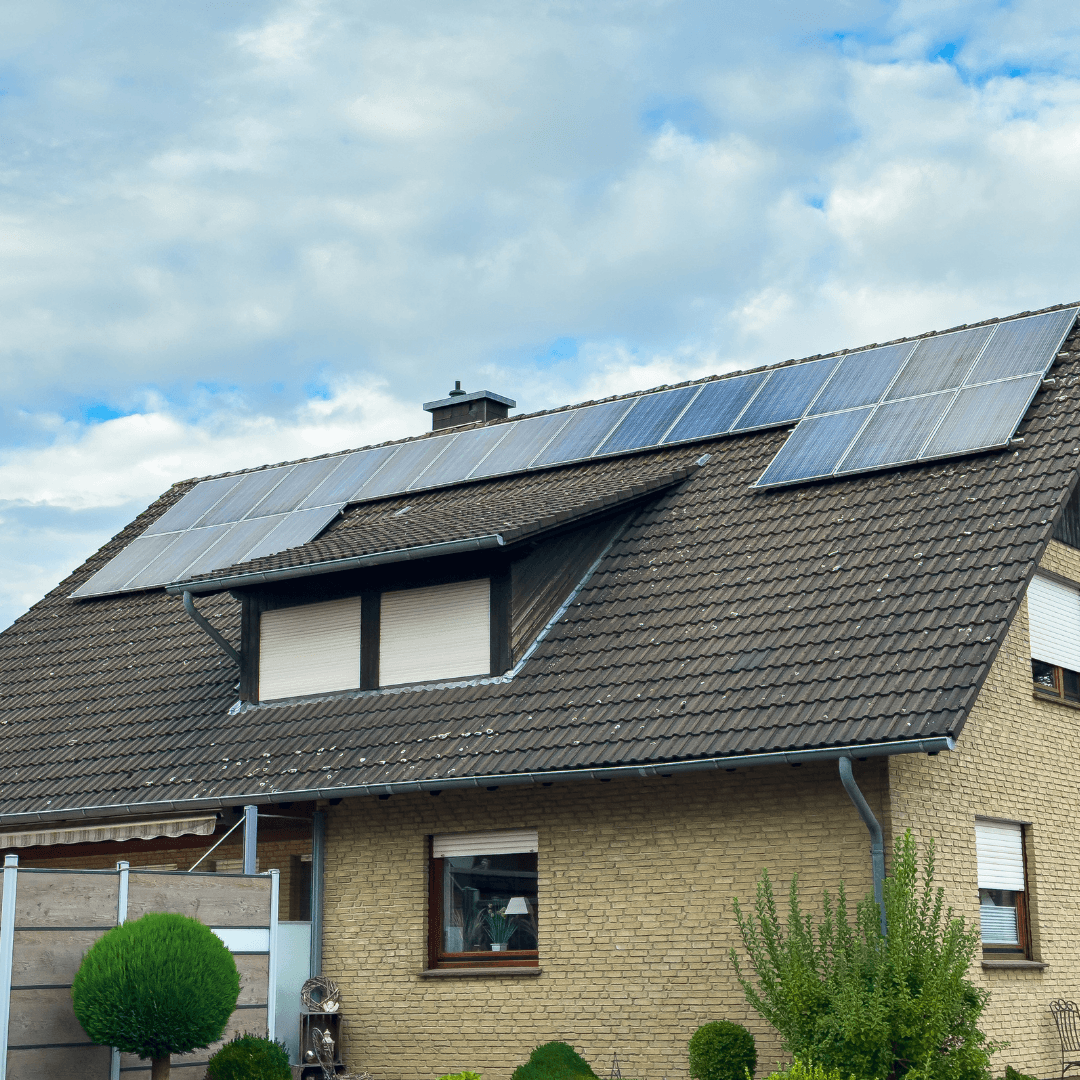
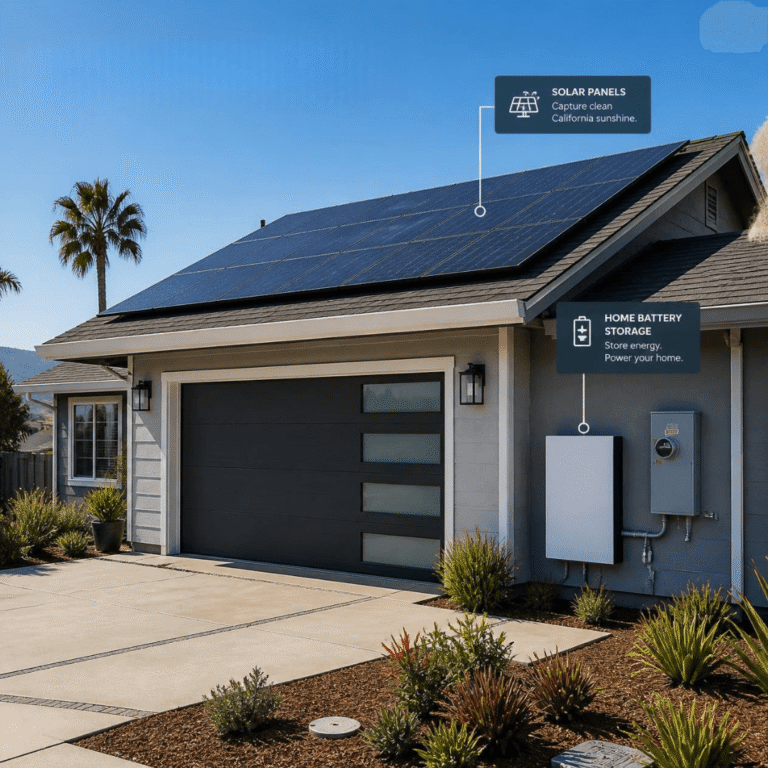
A residential solar PV system uses rooftop or other suitable panels to generate electricity from sunlight. We assess roof conditions, available installation space, electricity consumption, and electrical infrastructure when planning a residential system. The system configuration, panel placement, and equipment specifications are determined according to the property’s requirements and applicable installation standards.
Read moreRead less
Solar generation does not automatically eliminate a utility bill.
Battery Energy Storage Installation
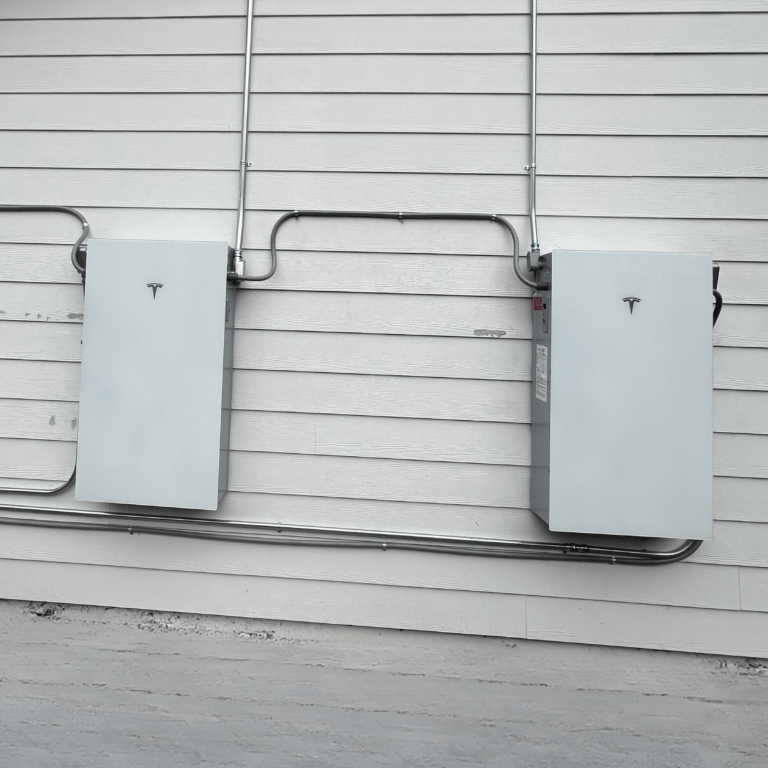
A battery energy storage system can store electricity for use at a later time, depending on the system configuration and operating settings. Homeowners may consider battery storage for several reasons, including managing electricity usage, using stored energy during selected periods, or providing backup power when configured with the necessary equipment.
Read moreRead less
Available backup functionality and duration depend on battery capacity, connected loads, system settings, and the amount of stored energy available. Backup power is not guaranteed during every outage.
Commercial Solar Installation
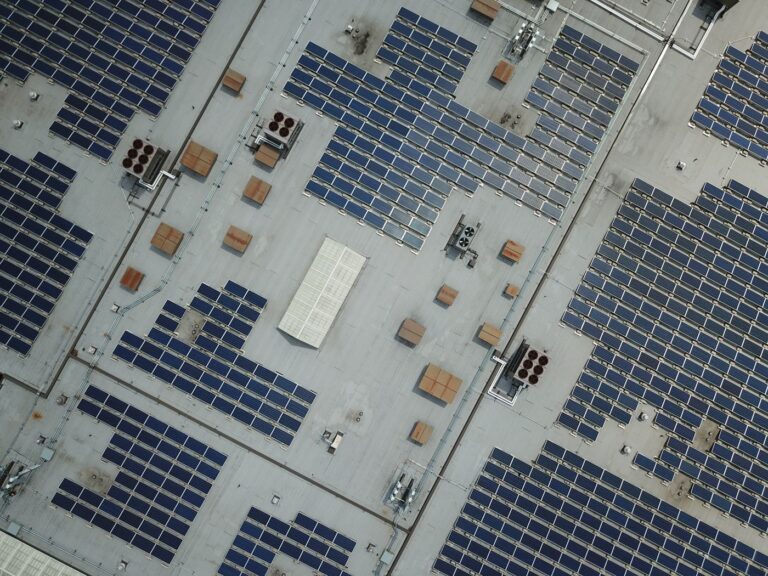
Commercial solar PV systems can be evaluated for offices, business facilities, and other suitable commercial properties. The assessment may consider electricity demand, operating schedules, roof or installation space, electrical infrastructure, and the property’s energy requirements. System capacity and configuration depend on the site’s technical conditions and the business’s electricity consumption.
EV Charger Installation
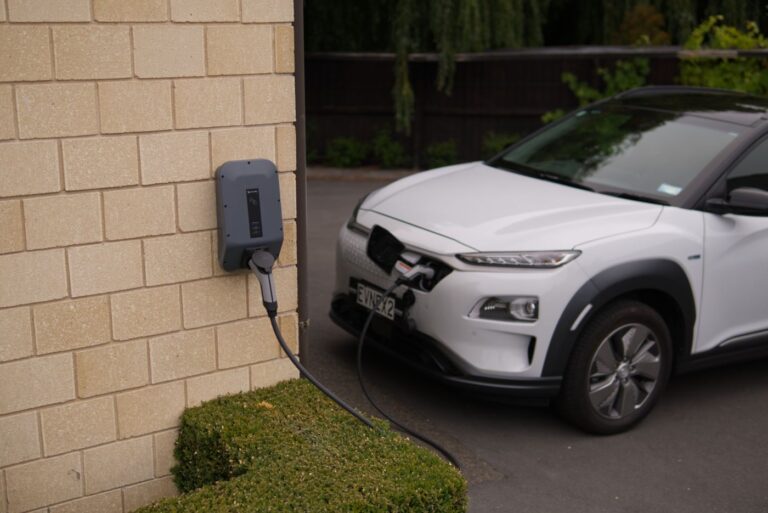
Installing an electric vehicle charger at a property may require an assessment of the existing electrical panel, available capacity, wiring, and charger specifications. We evaluate these requirements to determine the electrical work needed for the proposed installation. Charger selection and installation requirements depend on the vehicle, charging equipment, property infrastructure, and applicable electrical codes.
Electrical Panel Upgrades
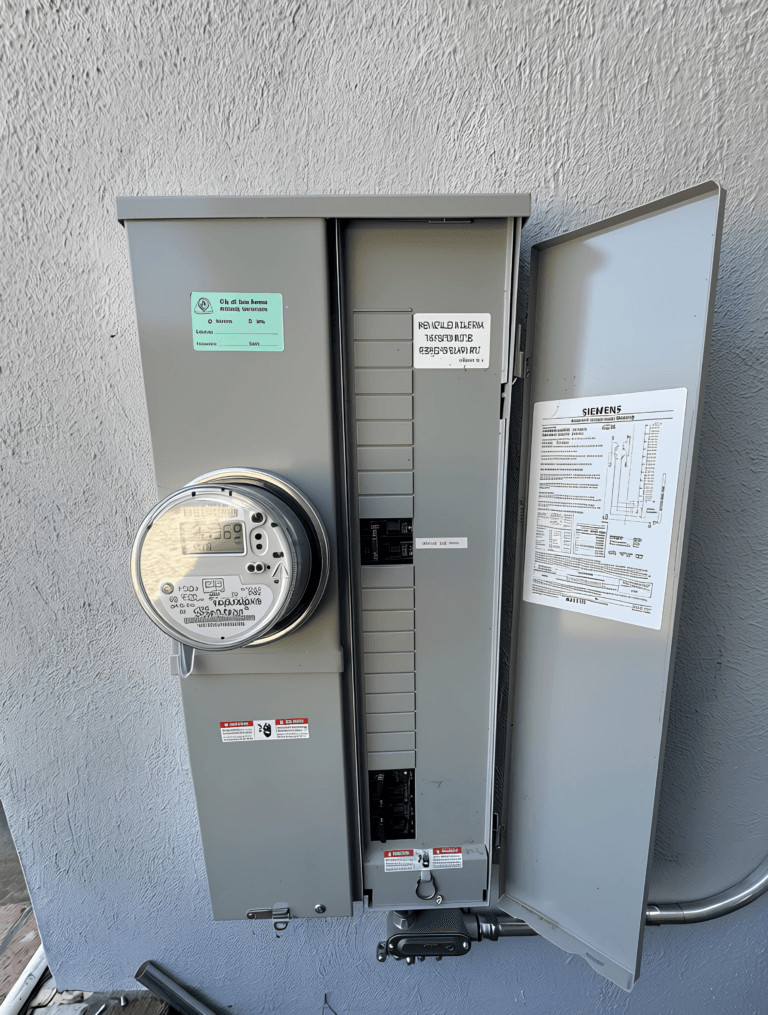
An electrical panel upgrade may be required when the existing panel does not have the capacity or configuration needed for a proposed solar, battery, or EV charging installation. We assess the existing electrical infrastructure and identify whether modifications or an upgrade may be necessary. Any proposed electrical work is subject to site assessment, applicable permits, and code requirements.
Understanding MCE, PG&E, and Solar Billing in Walnut Creek
Understanding the local electricity provider arrangement is an important part of evaluating solar in Walnut Creek.
Many Walnut Creek properties receive electricity generation service through MCE, while PG&E continues to provide electricity delivery services, maintain the distribution infrastructure, and handle billing and customer service. This means that customers may see separate generation and delivery charges on their electricity bill.
How MCE and PG&E Work Together
MCE provides electricity generation service to participating customers. PG&E continues to provide transmission and distribution services for those customers.
For properties enrolled with MCE, solar billing arrangements may involve both PG&E’s Solar Billing Plan for applicable delivery services and MCE’s Solar Billing Plan for generation-related charges and export credits. The applicable billing treatment depends on factors such as the customer’s electricity provider, interconnection and Permission to Operate dates, existing net energy metering eligibility, and the tariffs in effect.
What Solar Customers Should Review
Before proceeding with a solar installation, review:
- Your current electricity provider and rate plan
- Your electricity consumption and usage patterns
- Applicable solar billing and export credit arrangements
- The effect of battery storage on your intended system configuration
- Any existing solar agreement or net energy metering eligibility
Read moreRead less
Utility tariffs and export credit arrangements can change. Review the applicable information directly with your electricity providers before making a purchasing decision. For current information, refer to MCE and PG&E.
Solar Permits and Installation Process in Walnut Creek
Solar and battery installations must meet applicable building, electrical, fire, and safety requirements. Permit requirements depend on the proposed system, property, and scope of work. Review the City of Walnut Creek’s applicable permitting and inspection requirements before installation begins.
Our Project Process
1. Initial Consultation.
We discuss your energy requirements, property details, and the type of solar or electrical installation you are considering.
2. Property and Electrical Assessment.
We evaluate relevant site conditions, roof characteristics, electrical infrastructure, and other project-specific requirements.
3. System Design and Proposal.
Based on the assessment, we prepare a proposed system configuration and discuss the equipment, project scope, and associated costs.
4. Permitting and Project Coordination.
Required permit applications and project documentation are coordinated according to the applicable local requirements.
5. Installation.
Our own team carries out the installation work in accordance with the approved project scope and applicable requirements.
6. Inspection and Utility Coordination.
Required inspections and utility interconnection steps are coordinated as applicable. The system must not be operated until the required approvals and Permission to Operate have been received.
Considerations for Rossmoor Properties
Some properties in Rossmoor may be subject to additional community or association requirements. For example, Third Walnut Creek Mutual has its own policy requirements concerning solar installations. These requirements should not be assumed to apply to every property in Rossmoor or throughout Walnut Creek.
If your property is part of a homeowners association, mutual, or other community association, review the applicable architectural approval process and installation requirements before proceeding.
Solar Installation Costs, Financing, and Tax Considerations
The cost of a solar or battery installation depends on the property’s requirements and the proposed system configuration. A site assessment is necessary to determine the appropriate project scope and pricing.
Factors That Can Affect Installation Costs
Project costs may depend on:
- Solar panel type, quantity, and system capacity
- Inverter and battery equipment specifications
- Roof design, condition, and accessibility
- Existing electrical panel and infrastructure
- Additional electrical work, if required
- Permit, inspection, and interconnection requirements
- Installation complexity and project-specific conditions
A project proposal should clearly identify the equipment, installation scope, and any additional work included in the quoted price.
Understanding Solar Financing Options
Depending on the products available and the project arrangement, solar purchases may involve different payment structures. Common arrangements include:
- Cash purchase: The customer purchases the solar system and pays the project cost directly.
- Third-party lender financing: A financing provider may offer a loan, subject to its approval criteria, interest rate, fees, and repayment terms.
- Power Purchase Agreement (PPA): Under a PPA, a third party may own the solar system and sell the electricity it generates under the agreement’s terms.
These arrangements have different ownership, payment, and contractual implications. Review the complete agreement and understand the responsibilities and costs before signing. Nabu Energy is not a lender. Any financing approval and terms are determined by the relevant financing provider. Confirm which payment arrangements are available for your specific project.
Federal Tax Credit Considerations
Under current federal law, the Residential Clean Energy Credit under Section 25D is not available for residential clean energy expenditures made after December 31, 2025, so it does not apply to new residential solar or battery installations in 2026.
Tax provisions and other incentive programs may have specific eligibility conditions and deadlines, and commercial and residential tax treatment differ. Verify current requirements with the relevant government agency or a qualified tax professional before making a financial decision. Nabu Energy does not provide tax advice.
Your Rights as a California Solar Customer
California law gives residential solar customers specific protections. For residential solar contracts, you should receive:
- A Solar Energy System Disclosure Document on the front page of your contract, showing the total cost of the system, including financing costs, and how to submit complaints
- A written contract in the same language principally used in the sales discussion or marketing materials
- Notice of your right to cancel the contract within the period stated in your contract’s Notice of Cancellation
To file a complaint about any California contractor, contact the Contractors State License Board (CSLB) at www.cslb.ca.gov.
Why Consider Nabu Energy for Your Walnut Creek Solar Project?
Choosing a solar installer involves more than comparing equipment or system prices. It is also important to understand who will manage the project, how the installation will be carried out, and what is included in the proposal.
In-House Project Delivery
We handle our projects in-house, from system design through installation. Our own team carries out the work rather than subcontracted crews, providing one team to coordinate the project from start to finish.
Direct Communication
We focus on understanding your property’s requirements and explaining the proposed system, equipment, and project scope. Our aim is to help you make an informed decision based on the details of your installation.
California Contractor Licensing
Nabu Energy LLC holds California Contractors State License Board (CSLB) license #1052356, with a C-10 Electrical classification. You can check the current license status and classification through the CSLB License Check.
Project-Specific Recommendations
Every property has different technical and installation requirements. We evaluate the relevant site conditions and discuss solutions according to the proposed project rather than assuming that one system configuration is suitable for every customer.
Frequently Asked Questions About Solar Installation in Walnut Creek, CA
1. How much does solar panel installation cost in Walnut Creek?
The cost depends on the proposed system capacity, equipment selection, roof conditions, electrical infrastructure, and permitting requirements. Battery storage, electrical panel upgrades, and other additional work can also affect the total project cost. We assess the property’s requirements and prepare project-specific pricing based on the proposed equipment and installation scope.
2. Can solar panels reduce my electricity bill in Walnut Creek?
A solar PV system generates electricity for use at your property, which can affect the amount of electricity you purchase from the grid. However, the impact on your bill depends on system production, household consumption, utility rates, export credits, and applicable billing arrangements.
We do not provide projected solar savings estimates under the Net Billing Tariff (NEM 3.0) because future electricity consumption and usage behavior cannot be predicted with sufficient certainty. We can explain the proposed system configuration, project costs, and applicable utility billing considerations.
3. Is my Walnut Creek home suitable for solar panel installation?
Solar may be suitable for properties with appropriate roof conditions, available installation space, sufficient sunlight exposure, and electrical infrastructure that can accommodate the proposed system. Roof orientation, shading from nearby trees or buildings, roof condition, and household electricity consumption can influence system design. A property-specific assessment helps determine the installation requirements and appropriate system configuration.
4. How do MCE and PG&E solar billing arrangements work in Walnut Creek?
MCE is Walnut Creek’s default electricity generation provider for participating customers, while PG&E continues to provide electricity delivery services, maintain the distribution infrastructure, and handle customer billing. Customers who have opted out of MCE may have a different electricity generation arrangement.
For eligible customers enrolled with MCE, solar billing may involve MCE’s Solar Billing Plan for generation-related charges and export credits, alongside PG&E’s applicable billing arrangements for delivery services. The applicable arrangement depends on the customer’s utility status, interconnection and Permission to Operate dates, existing net energy metering eligibility, and current tariffs. Check your electricity bill and confirm the applicable requirements with MCE and PG&E.
5. What permits are required for solar panel and battery installation in Walnut Creek?
Solar PV and battery installations must comply with the City of Walnut Creek’s applicable building and electrical permitting requirements. The city publishes specific submittal guidance for photovoltaic systems and for storage battery systems in one- and two-family dwellings with solar PV.
Depending on the proposed equipment and installation scope, additional electrical documentation, permits, or inspections may be required. Requirements should be confirmed with the City of Walnut Creek before work begins.
6. What should Rossmoor homeowners know about solar installation approvals?
Rossmoor homeowners should review their applicable community association or mutual requirements before proceeding with solar panel, battery storage, or related electrical installations. Community approval requirements may differ between associations and mutuals, and they are separate from City of Walnut Creek permitting and inspection requirements.
Identify the rules governing your specific property and confirm whether an architectural review or alteration application is required.
7. Are there separate solar installation requirements for Third Walnut Creek Mutual properties?
Yes. Third Walnut Creek Mutual has Policy 61.0, which addresses supplemental electrical systems, including solar energy systems, battery energy storage systems, and Level 2 EV charging systems. The policy covers matters such as contractor qualifications, equipment and installation requirements, and alteration applications.
Homeowners whose properties are governed by this policy should review the current requirements and obtain the applicable approvals before starting work. These requirements should not be assumed to apply to every Rossmoor property.
8. Will I need an electrical panel upgrade before installing solar?
Not necessarily. Whether an upgrade is required depends on the existing panel’s capacity, available electrical service, condition, and the electrical requirements of the proposed solar, battery, or EV charging equipment. An assessment of the existing electrical infrastructure can help identify whether an upgrade or other electrical modifications are necessary.
9. Can a solar battery provide backup power during a PG&E outage?
A standard grid-connected solar PV system generally shuts down during a utility outage for electrical safety, so solar panels alone should not be assumed to provide power. Selected household circuits may be supplied during an outage when solar is paired with compatible battery storage and appropriately configured backup equipment.
The available backup capacity and operating duration depend on battery capacity, system configuration, available solar generation, and the electricity loads connected to the backup system.
10. How long does solar installation take in Walnut Creek?
The timeline depends on property assessment, system design, equipment availability, permit processing, installation complexity, required inspections, and utility interconnection. For properties subject to community association or mutual approval requirements, that review process may also affect scheduling. A project-specific timeline can be discussed after the property requirements and necessary approvals have been assessed.
11. How can I request a solar installation assessment in Walnut Creek?
You can contact our team to discuss your property, electricity consumption, roof conditions, and proposed solar or battery requirements. Information about your existing electrical panel, utility provider, and any applicable community approval requirements can also help us understand the project. We can review the details and discuss the next steps for a property-specific assessment.
Explore Our Other Service Areas
We work with customers across our service areas in the Bay Area. Explore our locations to learn more about solar and related energy installation services.
Discuss Your Solar Project in Walnut Creek
Planning a solar installation, considering battery storage, or looking to upgrade your property’s electrical infrastructure? We can help you understand the technical requirements and evaluate potential solutions for your property. Contact our team to discuss your project and request an assessment.
Important Information
The information on this page is provided for general informational purposes only. It does not constitute engineering, legal, tax, or financial advice, a property-specific assessment, a project proposal, or a guarantee of system performance, electricity savings, or investment returns.
Solar generation, battery performance, utility billing, export credits, permitting requirements, and project costs depend on individual property conditions, equipment specifications, applicable utility tariffs, and current regulations. All project designs, pricing, equipment specifications, financing arrangements, installation schedules, and applicable requirements are subject to individual assessment and written agreement.
Utility rates, incentive programs, permitting rules, and regulatory requirements may change. Verify applicable requirements before making a purchasing or financial decision.
Last reviewed: November 2026
Nabu Energy LLC | CSLB License #1052356 (C-10 Electrical Contractor)