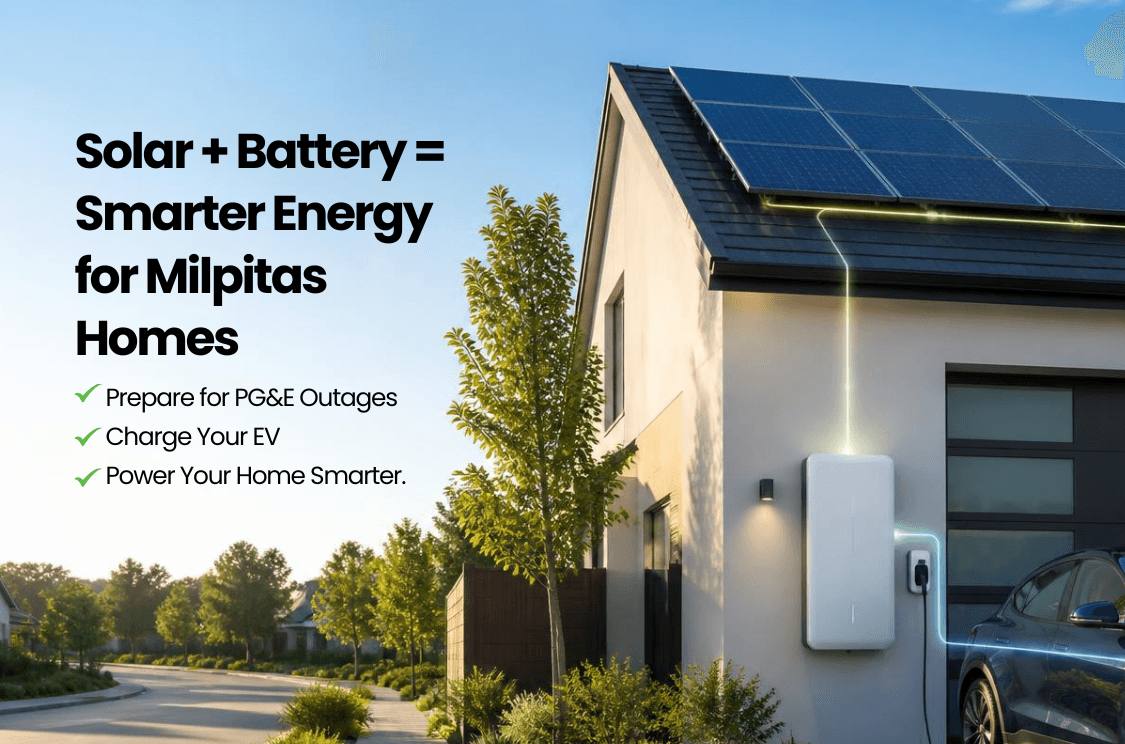
Why More Milpitas Homeowners Are Choosing Solar and Battery Solutions
Electricity has become an increasingly important part of everyday life for homeowners throughout Milpitas. Beyond lighting and household appliances, many homes now support electric vehicles, home offices, heat pumps, induction cooking, smart home technology, and battery-powered devices that place greater demands on residential electrical systems than ever before.
As a result, many homeowners are looking beyond simply lowering electricity bills. They are evaluating how their homes can generate, store, and manage electricity more efficiently while preparing for future energy needs. Residential solar panels and battery storage systems have become an important part of that conversation because they allow homeowners to think about their energy usage from a long-term planning perspective rather than responding only when electricity costs increase or outages occur.
Milpitas presents a unique environment for these conversations. Located in the heart of Silicon Valley, the city continues to attract homeowners who frequently adopt new technologies, own multiple connected devices, and increasingly transition toward electric transportation. At the same time, many neighborhoods contain homes built during different decades, meaning electrical infrastructure, roof configurations, and energy requirements can vary significantly from one property to another.
California also continues to lead the nation in electric vehicle adoption and residential clean energy initiatives. According to the California Energy Commission (CEC), the state has surpassed 2 million zero-emission vehicle (ZEV) sales, reflecting California’s continued transition toward transportation electrification. As more households purchase electric vehicles, many are also evaluating whether residential solar and battery storage can become part of a broader home energy strategy.
For homeowners served by PG&E, conversations about energy planning have also expanded beyond electricity production alone. Many households are considering how backup power, battery storage, and smarter energy management may fit into their long-term plans as electricity usage continues to evolve.
However, solar and battery storage are not one-size-fits-all solutions. The right system depends on factors such as:
- Household electricity consumption
- Existing electrical infrastructure
- Roof characteristics
- Future electric vehicle ownership
- Planned home electrification projects
- Backup power expectations
- Long-term energy goals
Every property is different, which is why understanding how these technologies work together is often the first step before making any investment.
In This Guide You’ll Learn
In this guide, we’ll explain:
- How residential solar and battery systems work together
- Why many Milpitas homeowners are evaluating battery storage alongside solar
- How PG&E outages influence home energy planning
- Whether existing solar systems can be upgraded with battery storage
- Why electrical planning matters before installing new equipment
- How to determine the right energy solution for your home based on your property’s unique needs
Whether you’re planning your first solar installation, considering battery storage, preparing for an electric vehicle, or simply exploring your options, understanding the complete home energy picture can help you make more informed decisions for the years ahead.
Understanding How Solar and Battery Systems Work Together
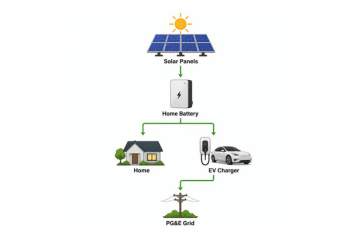
Many homeowners think of solar panels and battery storage as separate technologies. In reality, they often work together as parts of a larger home energy system designed to generate, store, and manage electricity more effectively.
Residential solar panels produce electricity when sunlight is available. A battery storage system can then store available energy for later use based on the system’s configuration and the homeowner’s energy priorities. Together, these technologies can create a more flexible approach to household energy management.
The way a system is designed depends on each home’s electrical infrastructure, energy consumption, and future plans. Some homeowners prioritize reducing their reliance on grid electricity, while others focus on backup power during outages or preparing for future electrification projects such as EV charging or heat pump installation.
Understanding the role of each component helps homeowners evaluate whether one technology or a combination of both best aligns with their long-term energy goals.
How Residential Solar Generates Electricity
Residential solar photovoltaic (PV) systems convert sunlight into electricity that can be used throughout the home. During daylight hours, the system generates electricity whenever sufficient sunlight is available.
The amount of electricity produced depends on several factors, including:
- Roof orientation and available sunlight
- System size
- Seasonal weather conditions
- Panel efficiency
- Shading from nearby trees or structures
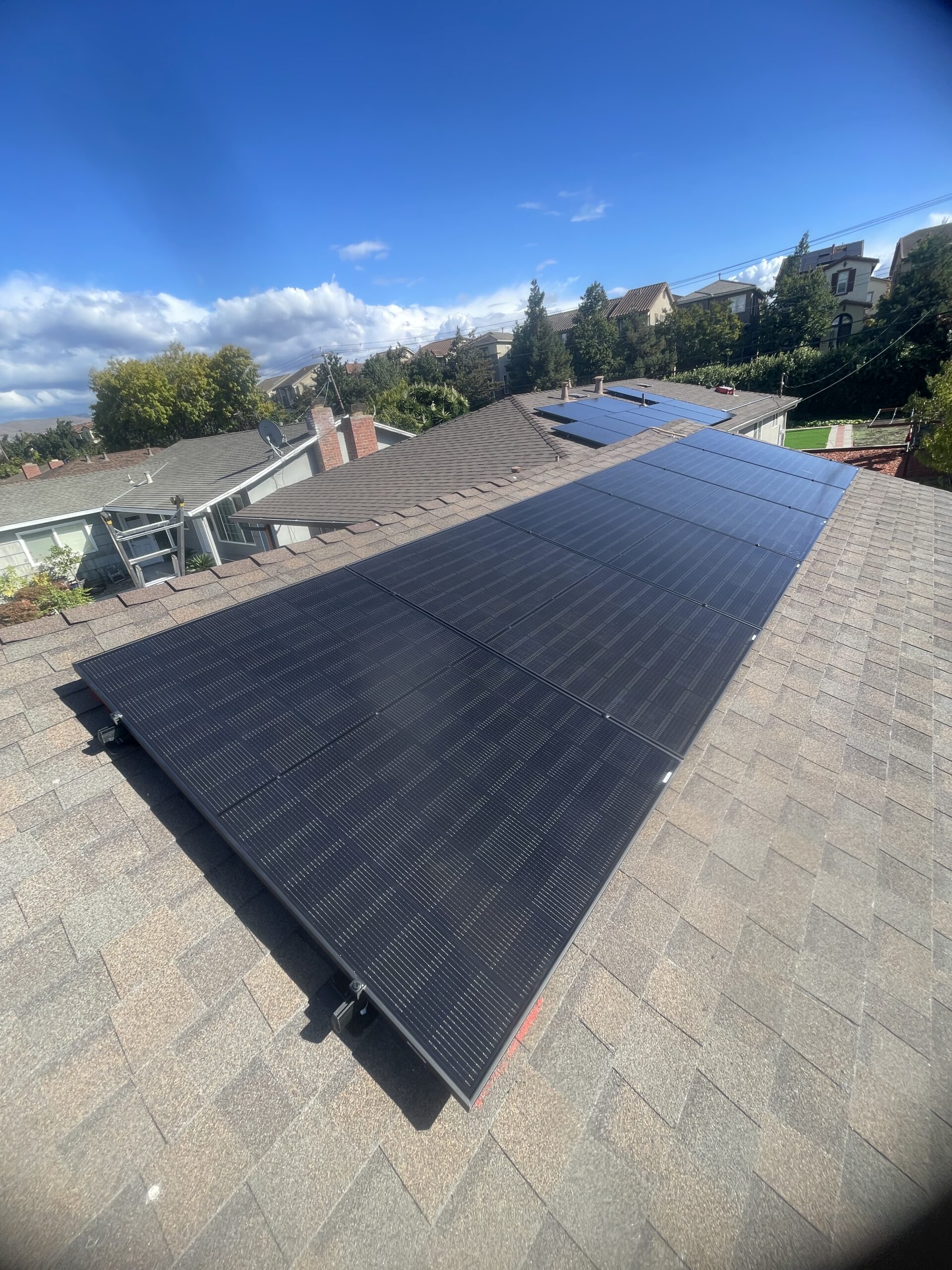
For many households, daytime solar production can offset a portion of the electricity that would otherwise be purchased from the utility. However, household energy usage does not always occur at the same time that solar panels produce electricity.
Many families use the greatest amount of electricity during the early morning or evening, when lighting, cooking, heating or cooling, and electric vehicle charging are more common. This difference between electricity production and household demand is one reason many homeowners begin exploring battery storage.
Rather than viewing solar panels solely as a way to generate electricity, many homeowners now see them as one component of a broader home energy strategy that may continue evolving as household energy needs change over time.
How Battery Storage Fits Into a Home Energy System
A residential battery stores electricity that can be used later based on the system’s design and operating settings. When paired with solar, battery storage becomes part of an integrated home energy solution rather than functioning as a separate technology.
Depending on the homeowner’s objectives, battery storage may help support goals such as:
- Providing backup power to selected household circuits during qualifying outages
- Making stored electricity available when solar production is unavailable
- Supporting future home electrification projects
- Improving flexibility in how electricity is managed throughout the day
- Integrating with existing or future solar installations
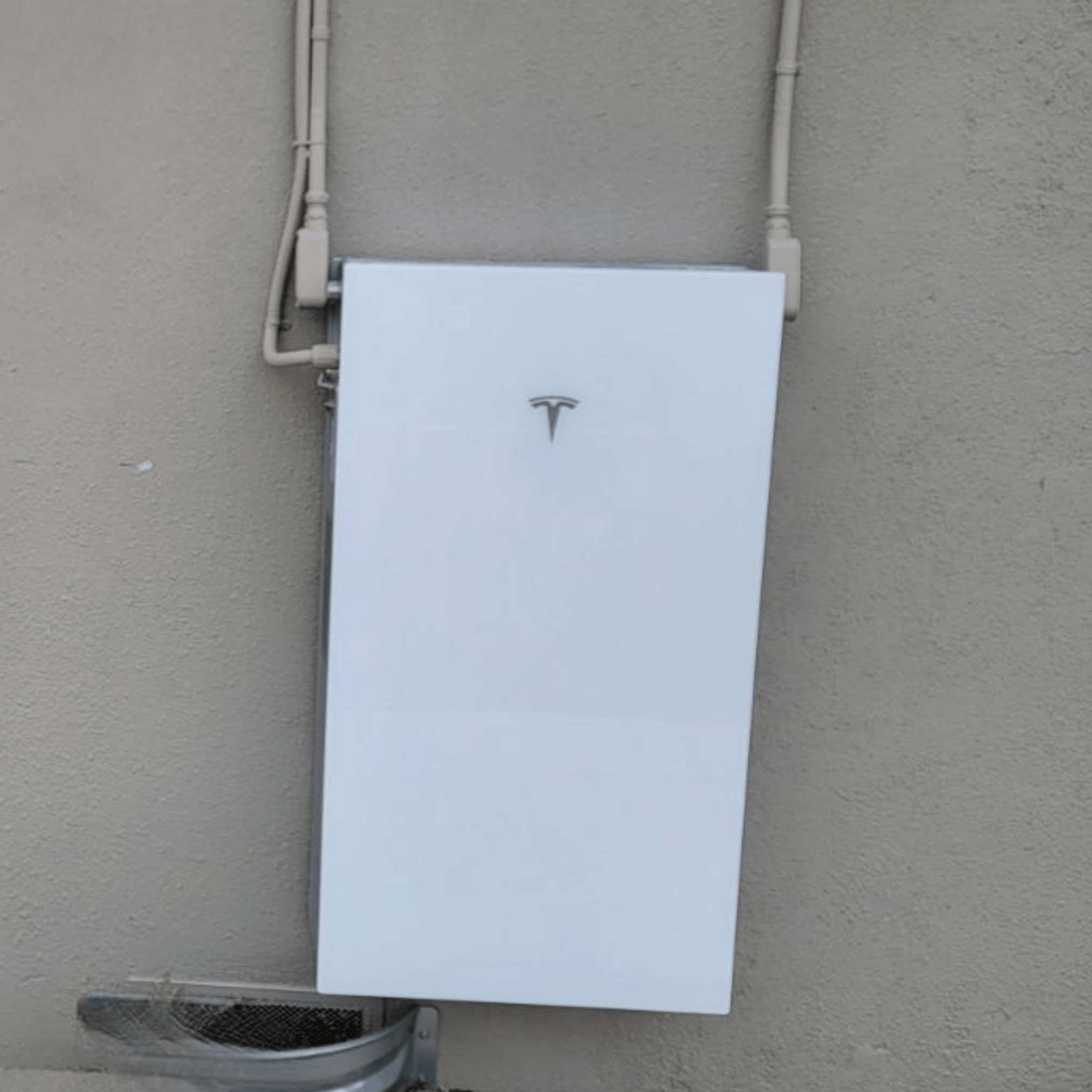
Modern battery systems also continue to evolve through advanced energy management software and smart monitoring capabilities. Homeowners can often monitor system performance, energy production, battery status, and household electricity usage through mobile applications or web-based platforms.
The most appropriate battery system depends on much more than storage capacity alone. Proper planning considers:
- Current household electricity usage
- Desired backup power capability
- Existing electrical infrastructure
- Future electric vehicle charging
- Potential solar expansion
- Long-term home improvement plans
Because every home’s energy profile is unique, battery selection should always be considered as part of the overall system design rather than as an isolated purchase.
Comparison Table: Understanding Solar and Battery Solutions
| Feature | Solar Only | Battery Only | Solar + Battery |
| Generates electricity from sunlight | ✓ | No | ✓ |
| Stores electricity for later use | No | ✓ | ✓ |
| Supports backup power | Limited | ✓ | ✓ |
| Can integrate with existing solar | — | ✓ | ✓ |
| Supports future home electrification | Partial | Partial | ✓ |
| Creates a more flexible home energy system | Partial | Partial | ✓ |
Why Solar Alone May Not Meet Every Home’s Energy Needs
Residential solar panels have become an increasingly popular option for homeowners looking to generate electricity from a renewable energy source. While a properly designed solar PV system can produce a significant portion of a home’s electricity during daylight hours, electricity production and household energy consumption do not always occur at the same time.
For many Milpitas homeowners, electricity usage tends to increase during the early morning and evening when family members are preparing for work, returning home, cooking meals, running appliances, or charging electric vehicles. During these periods, solar production may be lower or unavailable, depending on the time of day and weather conditions.
This difference between when electricity is generated and when it is used is one reason many homeowners are evaluating battery storage alongside residential solar rather than viewing them as separate investments.
Understanding how household energy is consumed throughout the day helps homeowners determine whether solar alone meets their goals or whether battery storage should also be considered as part of a long-term home energy strategy.
Daytime Solar Production vs. Evening Electricity Demand
Solar panels perform best when sufficient sunlight is available, which generally means electricity production peaks during the middle of the day.
However, many households experience their highest electricity demand during periods such as:
- Early morning routines
- Evening meal preparation
- Heating or cooling after work
- Electric vehicle charging overnight
- Home entertainment
- Laundry and household appliances
Because household demand often increases after solar production declines, homeowners may continue relying on electricity supplied by the utility during these periods.
Rather than simply maximizing the number of solar panels installed, many homeowners now focus on understanding how electricity is generated, stored, and consumed throughout the day.
This shift has made battery storage an increasingly important part of residential energy planning.
How Battery Storage Helps Bridge the Gap
Battery storage allows available electricity to be stored for later use based on the system’s design and operating settings.
When paired with residential solar, batteries can become part of a broader energy strategy by helping homeowners:
- Store available daytime solar production
- Use stored electricity after sunset
- Prepare for qualifying power outages
- Support future home electrification
- Create a more flexible residential energy system
Battery storage does not replace the need for thoughtful system design. Instead, it complements solar by providing homeowners with additional flexibility based on how their household uses electricity.
Modern battery systems also allow homeowners to monitor system performance, energy production, and stored capacity through smart monitoring platforms, making it easier to understand how the home’s energy system operates over time.
The right battery solution depends on factors such as household electricity consumption, backup power expectations, future expansion plans, and the home’s existing electrical infrastructure rather than battery capacity alone.
Milpitas Homes Present Unique Energy Planning Opportunities
Milpitas homeowners live in one of Silicon Valley’s fastest-growing communities, where technology adoption, electric vehicle ownership, and home electrification continue to increase. Many households are looking beyond simply installing solar panels and are instead planning complete home energy systems that can adapt to changing energy needs over time.
The city’s neighborhoods include homes built across several decades, which means electrical infrastructure varies considerably from one property to another. Some newer homes may already have electrical systems capable of supporting battery storage, EV charging, and additional electrical loads. Older homes, however, may benefit from a professional evaluation to determine whether electrical upgrades should be considered before adding new equipment.
Many homeowners are also planning multiple projects over several years rather than completing everything at once. For example, a homeowner may begin with solar panels, later add battery storage, install a Level 2 EV charger, and eventually upgrade to electric heating or a heat pump water heater. Evaluating these projects together allows the electrical system to be designed with future expansion in mind rather than making multiple upgrades over time.
Because every property has different electrical characteristics, equipment compatibility, energy usage, and homeowner priorities, recommendations should always be based on a professional site evaluation rather than assumptions based on the home’s age or square footage.
Homeowners interested in learning more about California’s broader clean energy initiatives and distributed energy resources can explore educational information published by the California Energy Commission (CEC) on distributed energy resources and residential energy planning.
Looking Beyond Today’s Electricity Need
One of the biggest shifts occurring across Silicon Valley is that homeowners are no longer planning individual energy projects in isolation.
Instead of asking, “Should I install solar?”, many are asking broader questions, such as:
- Will my current solar system support an electric vehicle?
- Should I install battery storage now or later?
- Will my electrical panel support future upgrades?
- Can my home accommodate additional electrical appliances?
- How can I prepare for future electricity needs without making unnecessary modifications?
Thinking about these questions together allows homeowners to develop a long-term energy strategy rather than making decisions one project at a time.
Planning ahead can also help reduce future construction, simplify electrical upgrades, and provide greater flexibility as household energy demands continue to evolve.
How PG&E Outages Influence Home Energy Planning
For many homeowners, residential solar is only one part of a much broader conversation about managing electricity. Another important consideration is how the home responds when utility power becomes unavailable.
Milpitas homeowners served by Pacific Gas & Electric (PG&E) have experienced both planned and unplanned power interruptions over the years. While outages vary depending on weather conditions, equipment maintenance, and grid operations, they have encouraged many homeowners to think beyond electricity generation and consider how their homes can remain better prepared when grid power is unavailable.
As a result, battery storage has become an important topic for homeowners evaluating long-term energy resilience.
It’s important to understand that no two homes have identical backup power requirements. Some homeowners simply want to maintain power to essential appliances during qualifying outages, while others are planning complete home energy systems that integrate solar, battery storage, EV charging, and future electrification projects.
Understanding these objectives early helps determine the most appropriate system design.
⭐⭐⭐⭐⭐ Thoughtful System Design & Professional Installation
“After reviewing a number of solar installation providers, we narrowed down to Nabu Energy for our solar panel installation. They clearly explained every component of the solar energy system, including the panels, racking system, and inverter, while outlining the pros and cons of different manufacturers without pushing one option over another.
They carefully sized the solar system based on our actual electricity usage and handled all the necessary paperwork, including permits and the PG&E interconnection process. The installation crew was professional, completed the work efficiently, and made the entire experience smooth from start to finish. I highly recommend Nabu Energy for anyone considering residential solar.”
– Verified Bay Area, Homeowner
Why Public Safety Power Shutoff (PSPS) Events Matter
PG&E may implement Public Safety Power Shutoff (PSPS) events during periods of elevated wildfire risk to reduce the possibility of electrical infrastructure contributing to wildfire ignition.
Although Milpitas is not among the communities most frequently affected by PSPS events, Bay Area homeowners increasingly recognize that emergency preparedness is becoming an important part of long-term home planning.
Power interruptions may also occur because of:
- Severe winter storms
- High winds
- Equipment maintenance
- Vehicle accidents involving utility infrastructure
- Unexpected equipment failures
For homeowners working remotely, operating home offices, or relying on internet-connected devices, even relatively short outages can interrupt daily activities.
Because of this, many homeowners are evaluating battery storage not simply as an addition to a solar system, but as part of a broader strategy for improving energy resilience.
Homeowners interested in understanding how PG&E manages Public Safety Power Shutoff events, outage notifications, and emergency preparedness can review educational resources published by PG&E.
Building a More Resilient Home Energy System
Battery storage does not eliminate every challenge associated with power outages, nor is it designed to provide unlimited electricity to every circuit in every home.
Instead, a professionally designed battery system can help support selected household circuits based on the homeowner’s priorities and the overall system configuration.
Depending on the design, homeowners may choose to prioritize:
- Refrigeration
- Internet and communications equipment
- Selected lighting circuits
- Medical equipment
- Security systems
- Garage door operation
- Home office equipment
Some homeowners also choose to plan for future expansion by considering additional battery capacity, expanded solar generation, or increased electrical demand before these needs arise.
Planning the entire home energy system together often provides greater flexibility than approaching each project separately over several years.
Can Existing Solar Systems Be Expanded with Battery Storage?
Many homeowners in Milpitas installed residential solar several years ago, before battery storage became as widely adopted as it is today.
As battery technology has continued to evolve, homeowners frequently ask whether an existing solar system can be expanded to include battery storage.
In many situations, the answer may be yes, but compatibility depends on the existing equipment, electrical infrastructure, inverter configuration, utility interconnection requirements, and the homeowner’s long-term energy objectives.
Rather than assuming every existing solar system can accept battery storage without modification, homeowners should begin with a professional evaluation of the current installation.
Adding Battery Storage to an Existing Solar System
Every residential solar installation is unique.
Factors commonly evaluated before adding battery storage include:
- Existing inverter technology
- Electrical panel configuration
- Available installation space
- Current electrical loads
- Roof-mounted equipment
- Existing solar production
- Utility interconnection requirements
- Future expansion plans
Some systems may require little modification, while others may benefit from electrical upgrades or redesigned equipment layouts to improve long-term flexibility.
Understanding these considerations early helps homeowners make informed decisions before purchasing new equipment.
Planning Future Expansion Instead of Rebuilding Later
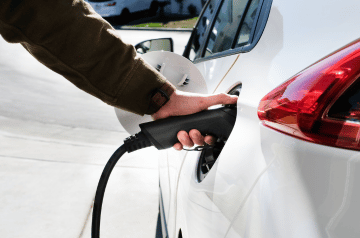
One of the biggest advantages of evaluating the home’s complete energy system is the opportunity to plan for future projects that may not happen immediately.
For example, a homeowner may currently have:
- Residential solar
but plans to add:
- Battery storage next year
- A Level 2 EV charger later
- A heat pump HVAC system
- An electric water heater
- Additional household electrical loads
Rather than designing each project independently, many homeowners now consider how these improvements may work together over the next five to ten years.
This approach can help reduce unnecessary electrical modifications while providing greater flexibility as household energy needs continue to evolve.
Why Professional System Design Matters
Choosing solar panels or a battery manufacturer is only one part of designing a successful residential energy system.
Equally important is understanding how the entire home’s electrical infrastructure works together.
Every property has different electrical characteristics, energy consumption patterns, future plans, and homeowner priorities. For that reason, the most appropriate solution is rarely determined by equipment alone.
Professional system design focuses on building an energy solution that supports both today’s requirements and tomorrow’s goals.
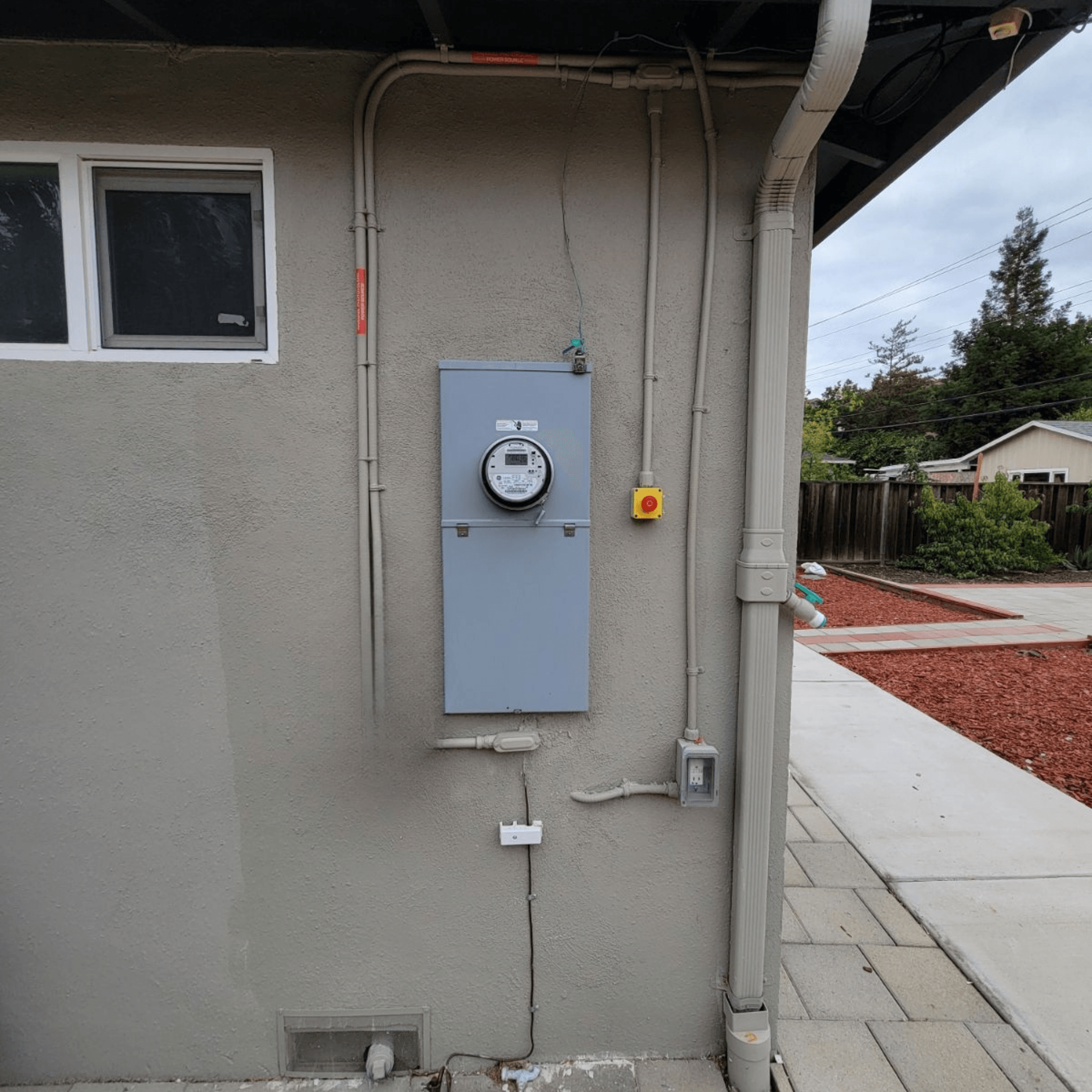
Every Home Uses Electricity Differentl
Two neighboring homes with similar square footage may have completely different electrical demands.
Differences may include:
- Household occupancy
- Electric vehicle ownership
- Home office equipment
- Heating and cooling systems
- Electric appliances
- Daily energy consumption
- Future remodeling plans
Designing a system around actual household usage often provides more value than relying on generalized estimates.
Electrical Panel Capacity Is an Important Part of Energy Planning
Solar panels, battery storage systems, and EV chargers all interact with the home’s electrical infrastructure.
Before adding new equipment, licensed electrical contractors commonly evaluate:
- Main electrical panel capacity
- Available breaker space
- Existing electrical service
- Equipment compatibility
- Utility interconnection requirements
- Future electrical demand
Understanding these factors helps determine whether the existing electrical system can support planned upgrades or whether additional modifications should be considered.
Why Load Calculations Help Guide Better Decisions
Rather than recommending equipment based solely on roof size or panel capacity, professional system design typically begins with an electrical load calculation.
A load calculation evaluates both current and anticipated electrical demand by considering factors such as:
- Existing household loads
- Future EV charging
- Battery storage
- Solar generation
- Heat pumps
- Electric water heating
- Home additions
- Future electrification goals
This information helps create recommendations that are tailored to the property instead of relying on assumptions.
By evaluating solar production, battery storage, electrical infrastructure, and future energy goals together, homeowners can develop a more complete understanding of how their home energy system may evolve over time. Rather than focusing on a single product or project, long-term planning helps create solutions that remain adaptable as technology, household needs, and energy consumption continue to change.
⭐⭐⭐⭐⭐ Reliable Support Beyond Installation
“I had Nabu Energy install a solar system with battery storage for my home a couple of years ago. Although the project was completed later than originally planned due to parts shortages and permit delays, the overall installation was done very well.
The workmanship was solid, and the system has been performing reliably. What I especially appreciate is their customer service after the installation. When one of the system components malfunctioned, Nabu Energy quickly sent a technician to diagnose the issue and coordinated directly with the manufacturer to replace the defective part under warranty.
The entire process was handled professionally and efficiently, and it was reassuring to know they continue supporting customers long after the installation is complete.”
– Verified Bay Area, Homeowner
Comparison Table: Which Home Energy Solution Fits Your Goals?
Every homeowner has different priorities when evaluating residential solar and battery storage. Some are primarily interested in generating renewable electricity, while others prioritize backup power, future electrification, or preparing for an electric vehicle. Understanding how different solutions align with your goals can make it easier to determine which approach best fits your home.
| Feature | Solar Only | Battery Only | Solar + Battery |
| Generate electricity from sunlight | ✓ | No | ✓ |
| Store electricity for later use | No | ✓ | ✓ |
| Backup selected household circuits during qualifying outages | Limited | ✓ | ✓ |
| Support future EV charging | ✓ | ✓ | ✓ |
| Prepare for future home electrification | Partial | Partial | ✓ |
| Reduce reliance on grid electricity | Partial | Partial | ✓ |
| Expand in the future | Depends on system design | Depends on manufacturer | Depends on system design |
Rather than asking which technology is “better,” many homeowners evaluate how solar and battery storage can work together as part of a long-term home energy strategy.
Home Energy Planning Checklist for Milpitas Homeowners
Before investing in residential solar, battery storage, or related electrical upgrades, homeowners should consider both their current electricity usage and future plans.
Ask yourself:
- Are you planning to purchase an electric vehicle?
- Does your household experience increasing electricity usage each year?
- Are you interested in backup power during qualifying outages?
- Are you considering residential solar for the first time?
- Do you already have solar and want to add battery storage?
- Will you install additional electric appliances in the future?
- Has your electrical panel been professionally evaluated?
- Are you planning a home addition or major renovation?
- Would you like to prepare your home for future electrification?
- Have you discussed your long-term energy goals with a licensed electrical contractor?
Answering these questions before purchasing equipment can help homeowners better understand which solutions may be appropriate for their property’s current and future energy needs.
Frequently Asked Questions
1. Are solar panels and battery storage worth considering in Milpitas?
Many homeowners evaluate solar and battery storage when planning for future electricity usage, backup power, and home electrification. Whether they are appropriate depends on each property’s electrical system, energy consumption, and long-term goals.
2. Can I install battery storage without installing solar panels?
Yes. Some battery systems can be installed independently of residential solar, although many homeowners choose to evaluate both technologies together as part of a complete home energy strategy.
3. Can I add battery storage to my existing solar system?
In many cases, yes. Compatibility depends on the existing solar equipment, inverter technology, electrical infrastructure, and system configuration. A professional evaluation can determine the available options.
4. Will a home battery provide power during a PG&E outage?
Battery systems may provide backup power to selected household circuits during qualifying outages, depending on the equipment installed and how the system is designed.
5. How long do residential battery systems typically last?
Battery lifespan varies by manufacturer, chemistry, operating conditions, and usage. Most manufacturers provide product warranties that outline expected performance over time.
6. Can battery storage help support electric vehicle charging?
Many homeowners planning to purchase an electric vehicle evaluate battery storage alongside solar and EV charging to better prepare their homes for future electricity demand.
7. Will my existing electrical panel support solar and battery storage?
Some homes already have sufficient electrical capacity, while others may require modifications. A licensed electrical contractor can evaluate the existing electrical system before installation.
8. Do I need permits for residential solar or battery installation in Milpitas?
Most residential solar and battery projects require permits and inspections. Requirements vary depending on project scope and applicable local regulations.
9. How many batteries does my home need?
There is no universal answer. Battery sizing depends on household electricity usage, backup objectives, desired runtime, and future expansion plans.
10. Can residential battery systems be expanded later?
Many battery systems allow future expansion, although expansion options vary by manufacturer and product design.
11. Should I install solar and battery storage at the same time?
Some homeowners install both simultaneously, while others add battery storage later. The most appropriate approach depends on the home’s electrical system, budget, and long-term plans.
12. Can battery storage reduce my dependence on grid electricity?
Battery storage may provide homeowners with greater flexibility in managing electricity usage, particularly when integrated with residential solar.
13. Why does system design matter?
Every home has different electrical characteristics, usage patterns, and future plans. Professional system design helps ensure equipment is selected and configured based on the home’s specific requirements.
14. Why should I think about future electrification now?
Planning ahead for future projects such as EV charging, heat pumps, or additional electrical appliances may help reduce future modifications and improve long-term system flexibility.
15. How do I determine the right energy solution for my home?
A licensed California electrical contractor can evaluate your property’s electrical infrastructure, energy usage, future plans, and equipment compatibility before recommending solutions.
Key Takeaways
- Residential solar and battery storage are increasingly being evaluated together as part of a complete home energy strategy.
- Every Milpitas home has different electrical infrastructure, energy usage, and long-term goals.
- Battery storage can complement residential solar by providing greater flexibility in how electricity is managed throughout the day.
- Planning for future electrification, including EV charging, heat pumps, and additional electrical appliances, can help homeowners make more informed investment decisions.
- Professional system design and electrical evaluations help ensure recommendations are based on the property’s actual requirements rather than general assumptions.
Planning Your Next Step
Whether you’re considering residential solar, battery storage, or planning future upgrades such as an EV charger or heat pump, every home’s electrical system is different.
Before purchasing or installing any major electrical equipment, consider scheduling a professional evaluation to better understand your home’s electrical capacity, future energy goals, equipment compatibility, and long-term expansion opportunities. Planning ahead can help homeowners make informed decisions while avoiding unnecessary modifications as their energy needs continue to evolve.
Why Homeowners Choose Nabu Energy
Nabu Energy is a licensed California electrical contractor serving homeowners throughout Milpitas and the San Francisco Bay Area with residential solar installations, battery storage systems, EV charging solutions, and electrical panel upgrades.
Unlike companies that rely primarily on commissioned sales representatives, Nabu Energy follows a Zero Sales Commission business model. Recommendations are based on each property’s electrical infrastructure, household energy usage, future expansion plans, and homeowner priorities rather than sales quotas.
The company performs both system design and installation using its in-house teams, helping maintain consistency throughout every stage of the project. Whether homeowners are installing their first solar system, expanding an existing installation, evaluating battery storage, or preparing for future electrification, Nabu Energy focuses on designing solutions that align with each home’s unique requirements.
⭐⭐⭐⭐⭐ Consistently Exceeding Expectations
“Great customer support. Our system was installed back in 2021, and it’s been generating even more electricity than originally projected. It’s been reliable, and the support from the Nabu Energy team has continued long after installation.”
– Verified Bay Area, Homeowner
Helpful Resources for Homeowners
For homeowners interested in learning more about electric vehicles, residential solar, battery storage, and home electrification, the following organizations provide educational information and consumer resources:
- U.S. Department of Energy (DOE) – Guidance on home EV charging, Level 2 charger installation, residential solar, battery storage systems, and whole-home energy planning.
- California Energy Commission (CEC) – Information on California’s zero-emission vehicle (ZEV) programs, residential renewable energy, home electrification, and clean energy initiatives.
- PG&E – Resources on EV rates, Public Safety Power Shutoff (PSPS) events, outage preparedness, electrical service information, and residential energy programs.
- ENERGY STAR® – Information on energy-efficient home improvements, appliances, heat pumps, and strategies for reducing household energy consumption.
- National Fire Protection Association (NFPA) – Educational information about the National Electrical Code (NFPA 70) and residential electrical safety.
- California Contractors State License Board (CSLB) – Consumer guidance for hiring licensed contractors and verifying California contractor licenses before beginning home improvement projects.
Disclaimer
This article is provided for general informational purposes only and should not be considered legal, financial, tax, engineering, or electrical design advice. Solar installations, battery storage systems, electrical panel requirements, permitting, utility interconnection, equipment compatibility, and applicable building codes vary depending on each property, manufacturer, utility provider, and local jurisdiction. Homeowners should obtain multiple written proposals, verify contractor licensing, and consult a licensed California electrical contractor before making purchasing or installation decisions.
About the Author
Author: Nabu Energy Editorial Team
Position: Residential Solar & Home Energy Education Team
Technically Reviewed By: California C-10 Licensed Electrical Contractor