Why More Santa Clara Homeowners Are Choosing Home EV Charging
📖 Estimated Reading Time: 12 minutes
📅 Last Updated: July 2026
📍 Location: Santa Clara, California
Quick Summary
If you drive an EV every day, installing a Level 2 home charger is often the most convenient solution. Public charging remains an excellent option for road trips, workplace charging, and occasional top-ups. This guide compares home and public EV charging in terms of convenience, charging speed, everyday practicality, and long-term planning to help Santa Clara homeowners choose the solution that best fits their lifestyle.
Installing an EV charger in Santa Clara has become an increasingly common upgrade as more homeowners switch to electric vehicles. Whether you’re considering a Level 2 home charger or comparing it with public charging stations, understanding the differences in convenience, charging speed, and long-term costs can help you choose the right solution for your home.
EV ownership continues to grow across Silicon Valley as more residents transition to electric transportation. California has experienced over 300% growth in cumulative ZEV sales since 2019, driven by expanding vehicle choices, charging infrastructure, and consumer demand
Many Santa Clara residents commute along Lawrence Expressway, El Camino Real, and Highway 101, while others travel daily to major employers such as the Intel campus in Santa Clara or Apple Park in nearby Cupertino. Having a home EV charger allows many drivers to begin each morning with a fully charged vehicle instead of planning additional charging stops during the workweek.
California continues to lead the nation in electric vehicle adoption. As of late 2025, more than 2.6 million zero-emission vehicles (ZEVs) have been sold in the state, and approximately 22–23% of all new vehicle sales are now zero-emission models
However, purchasing an EV is only one part of the journey. One of the first questions many new EV owners ask is:
Should I install a home EV charger, or can I rely on public charging stations?
For some drivers, nearby public charging may seem sufficient. Santa Clara offers access to various charging networks, including Tesla Superchargers, ChargePoint charging stations, and Electrify America charging stations, making public charging more accessible than in many other cities.
But convenience alone doesn’t always determine the best long-term solution.
Many homeowners quickly discover that charging habits, commute schedules, electricity costs, charging speed, and daily convenience all play important roles when deciding between home charging vs. public charging.
For commuters traveling throughout Silicon Valley, having a fully charged vehicle every morning can often be more valuable than making regular stops at public charging stations throughout the week.
As a result, many homeowners are evaluating home EV charger installation as part of a broader home energy strategy-particularly when planning for future household electrification, residential solar, or battery storage.
The right solution depends on factors such as:
- Daily driving distance
- Work commute
- Type of electric vehicle
- Access to overnight parking
- Existing electrical infrastructure
- Future household energy plans
Rather than asking which option is universally “better,” homeowners benefit from understanding how each charging method fits their individual lifestyle.
Is Home EV Charging Better Than Public Charging?
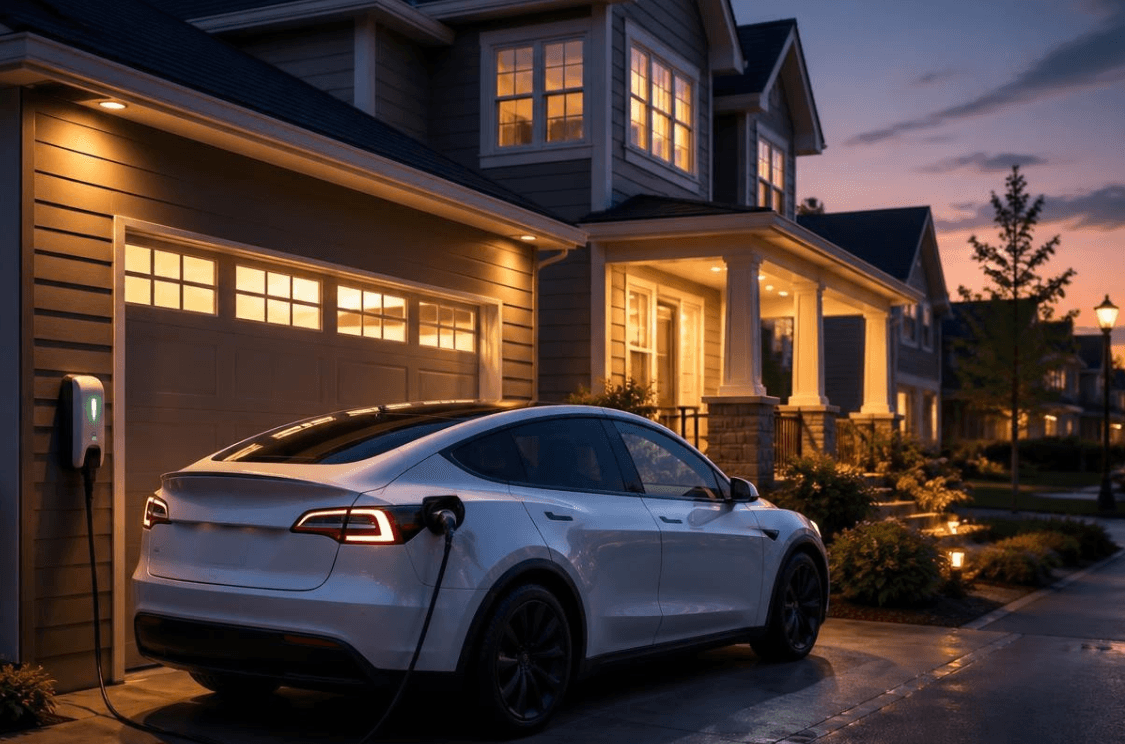
For most homeowners who drive an electric vehicle regularly, home EV charging offers greater convenience because the vehicle can recharge overnight and be ready each morning. Public charging remains valuable for road trips and occasional charging away from home, but many Santa Clara EV owners rely on a Level 2 home charger for their everyday transportation needs.
In This Guide You’ll Learn
In this guide, we’ll explain:
- How home EV charging works
- What a Level 2 home charger is and why many homeowners choose one
- The differences between home charging and public charging
- Typical charging speeds for different charging options
- How charging costs and convenience compare
- What to know before scheduling an EV charger installation in Santa Clara
- Why many Silicon Valley homeowners are planning EV charging alongside future electrical upgrades
Whether you’re purchasing your first EV or considering upgrading your charging setup, this guide will help you understand the factors that influence long-term charging decisions.
How Home EV Charging Works
Home charging allows electric vehicle owners to recharge their vehicle directly from their residence rather than relying on public charging infrastructure.
While every electric vehicle includes different charging capabilities, most homeowners eventually choose between two primary charging methods:
- Dedicated Level 2 home charging
- Standard household charging (Level 1)
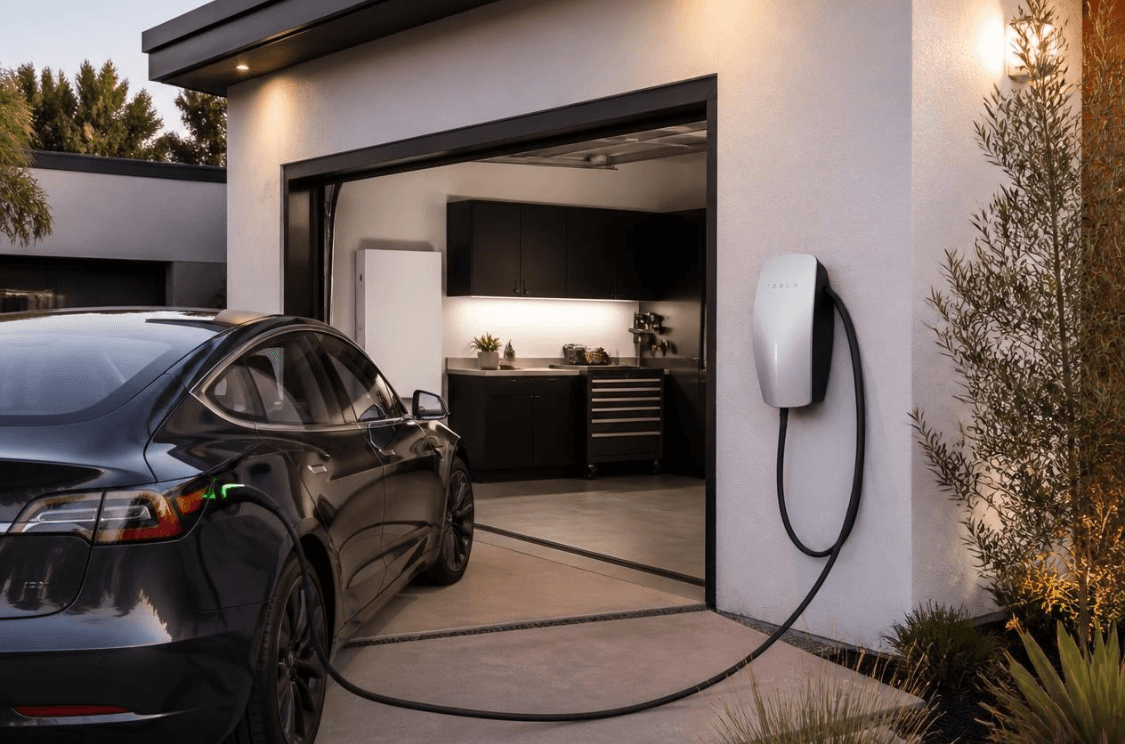
Although both methods recharge an EV, they differ significantly in charging speed, convenience, and suitability for daily driving.
For homeowners who regularly commute throughout Santa Clara, San Jose, Sunnyvale, Mountain View, Palo Alto, or other parts of Silicon Valley, understanding these differences can help determine which charging solution best supports everyday transportation needs.
Understanding Level 1 Home Charging
Every electric vehicle can typically be charged using a standard 120-volt household outlet, commonly referred to as Level 1 charging.
This option requires no specialized charging equipment beyond the portable charging cable supplied by the vehicle manufacturer.
Level 1 charging may work well for:
- Drivers with very short daily commutes
- Households that drive infrequently
- Temporary charging situations
- New EV owners before installing dedicated charging equipment
However, because charging speeds are relatively slow, many homeowners eventually explore faster charging options that better match their daily driving habits.
What Is a Level 2 Home Charger?
A Level 2 home charger operates on a dedicated 240-volt electrical circuit and provides significantly faster charging than a standard household outlet.
Rather than relying on portable charging equipment, a Level 2 charger is permanently installed by a licensed electrical contractor and becomes part of the home’s electrical system.
Many homeowners choose a Level 2 charger because it offers:
- Faster charging times
- Greater convenience
- Automatic overnight charging
- Daily readiness for commuting
- Compatibility with many current and future electric vehicles
Several manufacturers offer residential charging equipment, each with different features, power levels, and smart charging capabilities.
The most appropriate charger depends on:
- Vehicle type
- Household electrical capacity
- Driving habits
- Future vehicle plans
- Desired charging features
Because charging equipment integrates directly with the home’s electrical system, many homeowners schedule a professional electrical evaluation before installation to ensure the existing infrastructure can safely support the additional electrical load.
Tesla Wall Connector Home Charging
Among Tesla owners, one of the most commonly selected residential charging options is the Tesla Wall Connector.
Designed specifically for home installation, the Tesla Wall Connector integrates with Tesla vehicles while also supporting compatibility with other electric vehicles when appropriately configured.
Homeowners often choose Tesla Wall Connector home charging because it offers:
- Convenient overnight charging
- Smart charging features
- Wi-Fi connectivity
- Adjustable charging settings
- Clean wall-mounted installation
- Integration with future home energy systems
While Tesla owners frequently select the Wall Connector, homeowners driving other EV brands also have access to numerous Level 2 charging solutions from other manufacturers.
The most suitable charger depends on the homeowner’s vehicle, electrical infrastructure, and long-term charging goals rather than a single manufacturer.
Why Overnight EV Charging Is Changing How People Drive
One of the biggest advantages of residential charging is the ability to recharge while the household sleeps.
Rather than planning trips around charging station availability, many homeowners simply plug in their vehicle after returning home and begin each morning with a charged battery.
For daily commuters, overnight EV charging offers several practical advantages:
- Reduced reliance on public charging stations
- Greater convenience during busy workweeks
- More predictable daily routines
- Less time spent waiting for available chargers
- Charging while the vehicle would otherwise remain parked
For homeowners with garages or dedicated parking spaces, overnight charging often becomes part of the normal evening routine in much the same way that mobile phones and other electronic devices are charged overnight.
As electric vehicle ownership continues to grow throughout Santa Clara and the Bay Area, many homeowners are finding that the convenience of charging at home is becoming just as important as the vehicle itself.
Comparison Table: Level 1 vs. Level 2 Home Charging
| Feature | Level 1 Charging | Level 2 Home Charger |
| Power Source | Standard 120V outlet | Dedicated 240V circuit |
| Installation Required | No | Yes |
| Charging Speed | Slower | Significantly faster |
| Best For | Occasional or low-mileage driving | Daily commuting and regular EV use |
| Overnight Charging | Possible for lighter usage | Ideal for overnight charging |
| Long-Term Convenience | Moderate | High |
Understanding Public EV Charging in Santa Clara
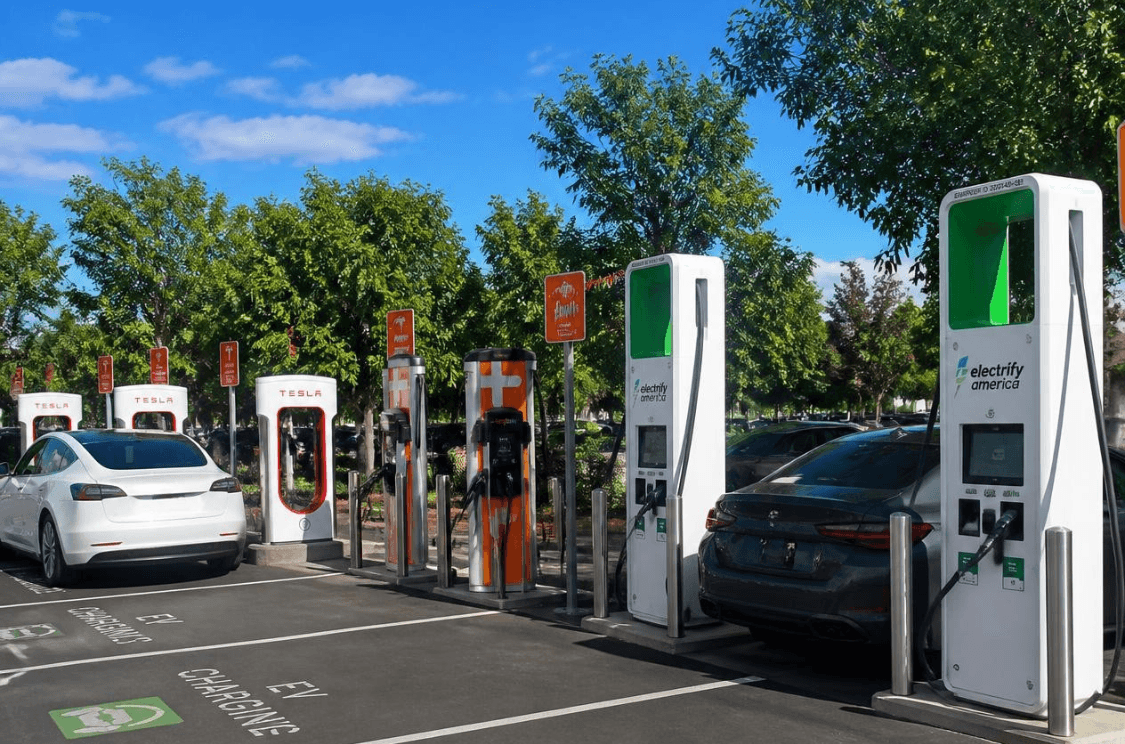
Public charging infrastructure has expanded significantly across Santa Clara and the greater Bay Area, making it easier than ever for EV owners to charge away from home. Shopping centers, office campuses, hotels, parking garages, grocery stores, and major highways now offer a variety of charging options designed to support both daily commuters and long-distance travelers.
California also operates the country’s largest EV charging network. The state now has more than 200,000 public and shared EV charging ports, along with an estimated 800,000 home EV chargers, giving drivers more charging options than ever before.
Public charging stations are commonly located near shopping centers, business districts, hotels, and entertainment destinations, including areas surrounding Levi’s Stadium, California’s Great America, and major retail corridors throughout Santa Clara.
For many drivers, searching for public EV charging near me has become part of routine trip planning, particularly when traveling outside their usual driving area.
While public charging provides flexibility, it’s important to understand that not all charging stations operate the same way. Charging speed, connector compatibility, pricing, and station availability can vary considerably depending on the charging network and equipment installed.
Understanding these differences helps homeowners evaluate whether relying primarily on public charging meets their daily needs or whether a home charging solution may offer greater convenience.
California now has more public and shared EV charging ports than gasoline nozzles statewide, reflecting the rapid expansion of charging infrastructure as EV ownership continues to increase.
⭐⭐⭐⭐⭐ Professional Guidance & Long-Term Performance
“I tried to be as knowledgeable a consumer as possible before adding solar to my home, so I received multiple proposals and ultimately chose Nabu Energy because of their pricing, equipment, and professionalism. After several years, I’m still receiving approximately a $500 PG&E True-Up refund annually, and the system continues to perform exactly as promised. From the first consultation through installation, their team communicated clearly, respected my home, and delivered outstanding customer service. I would absolutely recommend Nabu Energy to anyone looking for a knowledgeable and professional energy partner.”
– Verified Bay Area, Homeowner
Tesla Supercharger Santa Clara
Tesla owners benefit from one of the largest fast-charging networks in the country. Tesla Supercharger Santa Clara locations are designed primarily for convenient charging during longer trips or when drivers need to quickly replenish their vehicle’s battery.
Compared to residential charging, Tesla Superchargers can deliver substantially higher charging power under appropriate conditions.
Many Tesla owners use Superchargers for:
- Weekend road trips
- Long-distance travel
- Unexpected charging needs
- Occasional top-ups between destinations
Although fast charging offers tremendous convenience while traveling, most Tesla owners still rely on home charging for their day-to-day transportation because it allows the vehicle to recharge while parked overnight.
ChargePoint Charging Stations
Another common option throughout Silicon Valley is the extensive network of ChargePoint charging stations.
ChargePoint equipment can be found at:
- Office buildings
- Shopping centers
- Hotels
- Public parking facilities
- Municipal garages
- Multi-family residential communities
Depending on the location, ChargePoint stations may provide either Level 2 charging or DC fast charging.
For commuters who spend several hours at work or while shopping, Level 2 public charging can be a convenient way to add driving range without making a dedicated charging stop.
Electrify America Charging Stations
Drivers of many non-Tesla electric vehicles frequently use Electrify America charging stations for faster charging during longer journeys.
Electrify America locations typically provide high-powered DC fast charging designed for compatible electric vehicles capable of accepting higher charging rates.
These stations are commonly located near:
- Major highways
- Retail centers
- Large commercial developments
- Regional shopping destinations
Like Tesla Superchargers, Electrify America stations are often best suited for travel rather than everyday residential charging.
Finding EV Charging Stations in Santa Clara
Today, locating EV charging stations in Santa Clara is easier than ever through built-in vehicle navigation systems and mobile charging apps.
Depending on the network, drivers can often view:
- Nearby charging locations
- Available connectors
- Charging speeds
- Station availability
- Pricing information
- Real-time occupancy
While this technology has made public charging more convenient, station availability can still fluctuate throughout the day, especially during evenings, weekends, and holiday travel periods.
For commuters with predictable daily driving habits, many homeowners find it valuable to compare the convenience of nearby public charging with the simplicity of charging at home.
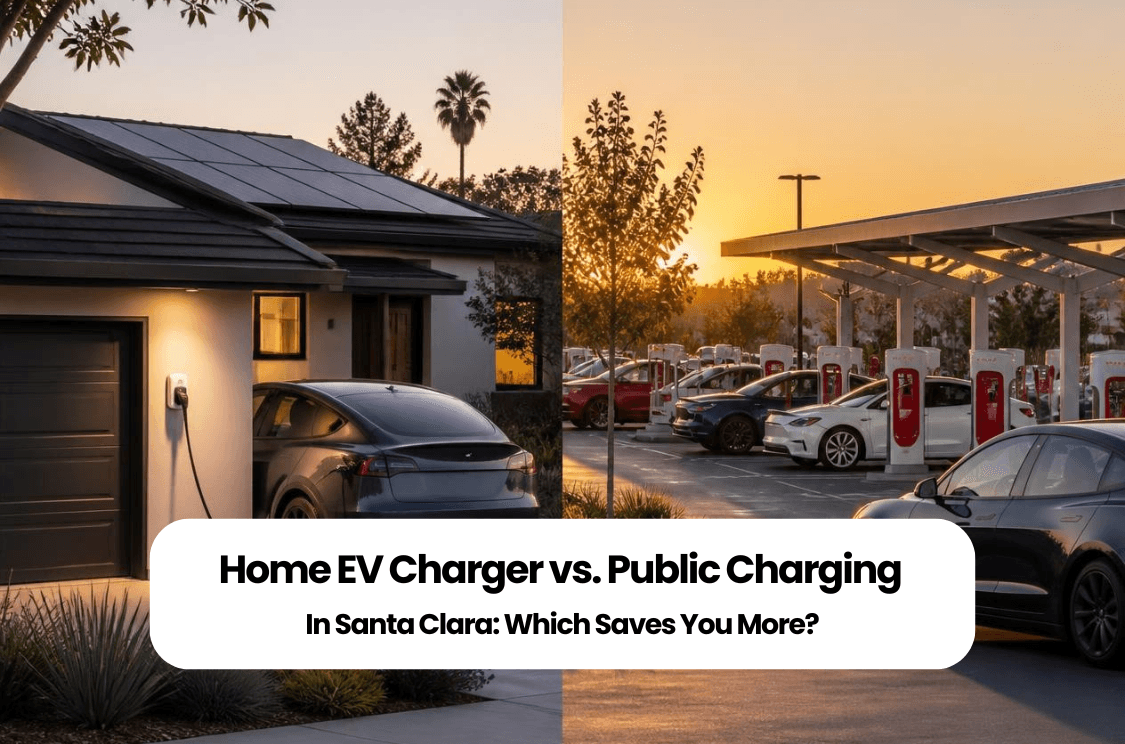
Home Charging vs. Public Charging
Choosing between a home charger and public charging isn’t necessarily about replacing one with the other. Many EV owners use both, but the balance often depends on how they use their vehicle.
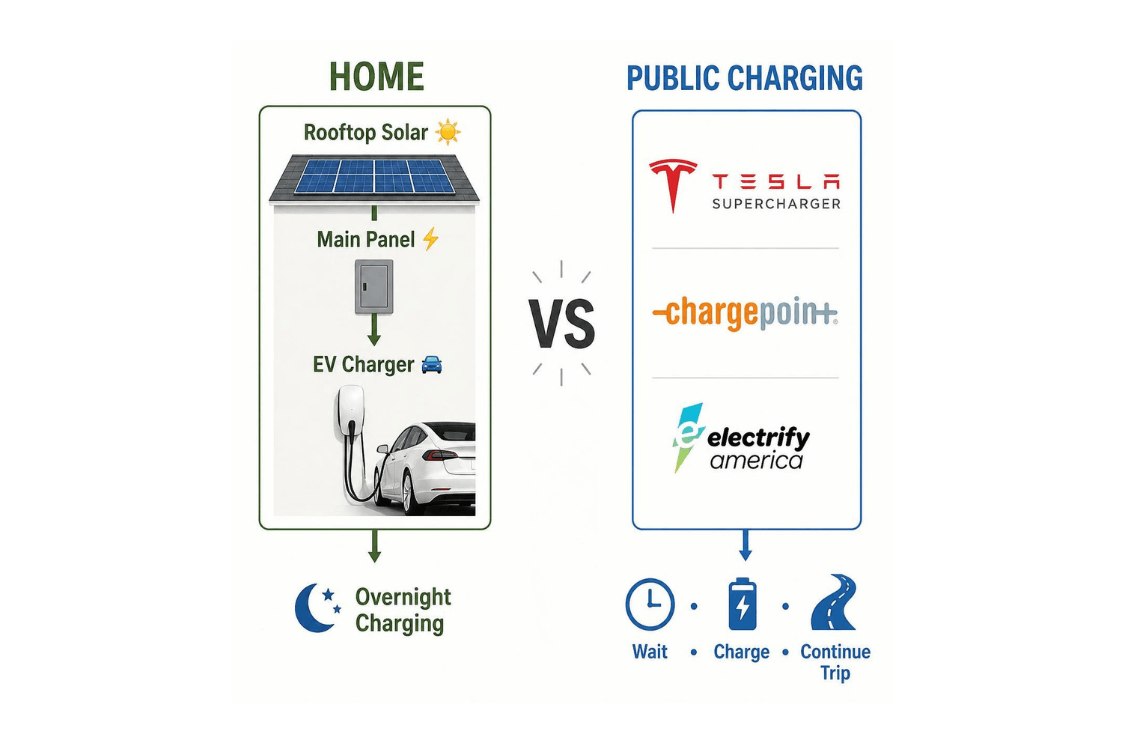
For example:
- A homeowner who commutes daily may rely primarily on home charging and use public chargers only during road trips.
- Someone who lives in an apartment without dedicated parking may depend more heavily on public charging.
- Families with multiple electric vehicles may benefit from installing a home charging solution to simplify daily charging routines.
The key difference often comes down to convenience and consistency rather than simply charging speed.
Home EV Charging
Charging at home allows drivers to plug in when they return home and begin the next day with a charged battery. There is no need to plan a separate stop or wait for an available charger.
Public EV Charging
Public charging provides flexibility when traveling or when home charging isn’t available. However, it may require additional travel, waiting for an available charger, or adjusting plans based on station occupancy.
For many homeowners in Santa Clara, the decision isn’t whether public charging is useful-it certainly is-but whether relying on it every week fits their lifestyle.
Comparison Table: Home Charging vs. Public Charging
| Feature | Home EV Charger | Public Charging |
| Daily Convenience | ★★★★★ | ★★★☆☆ |
| Charge While Sleeping | ✓ | No |
| Commute Ready Every Morning | ✓ | Depends on charging schedule |
| Waiting for an Available Charger | No | Sometimes |
| Best for Daily Driving | ✓ | Limited |
| Best for Long Trips | Limited | ✓ |
| Charging During Shopping or Work | No | ✓ |
| Supports Overnight EV Charging | ✓ | No |
| Charging Availability | Always available at home | Depends on station occupancy |
| Long-Term Flexibility | High | Moderate |
Rather than viewing the two options as competitors, many EV owners find they complement one another. Home charging often becomes the primary method for everyday driving, while public charging serves as a valuable resource during longer journeys or unexpected travel.
What Many Santa Clara Homeowners Are Choosing
Across Silicon Valley, homeowners are increasingly viewing home EV charger installation as an investment in convenience rather than simply another home improvement project.
With longer workdays, busy family schedules, and increasing EV adoption, many drivers prefer the simplicity of plugging in at home instead of planning regular visits to public charging stations.
At the same time, public charging networks such as Tesla Superchargers, ChargePoint, and Electrify America continue to play an important role by supporting regional travel and providing charging options when drivers are away from home.
The right approach ultimately depends on each homeowner’s driving habits, parking situation, electrical infrastructure, and long-term transportation goals.
How Long Does Public EV Charging Take?
One of the most common questions new EV owners ask is “How long does public EV charging take?”
The answer depends on several factors, including:
- The type of charging station
- The vehicle’s maximum charging capability
- The current battery level (State of Charge)
- Weather conditions
- Battery temperature
- The amount of power delivered by the charging station
While public charging technology has improved significantly over the past few years, charging time still varies depending on the charging method being used.
For homeowners comparing home charging vs. public charging, understanding these differences can help determine which option better supports everyday driving habits.
Typical Charging Speeds
Although exact charging times vary by vehicle manufacturer, battery size, and charger output, the following comparison provides a general overview.
| Charging Method | Typical Location | Common Use |
| Level 1 Home Charging | Standard household outlet | Occasional charging, low daily mileage |
| Level 2 Home Charger | Residential garage or driveway | Daily overnight charging |
| Public Level 2 Charger | Shopping centers, offices, hotels | Charging while parked |
| DC Fast Charger | Electrify America, EVgo, other networks | Highway travel and quick top-ups |
| Tesla Supercharger | Tesla charging network | Fast charging for compatible Tesla vehicles |
Rather than comparing charging speed alone, homeowners should also consider when charging takes place.
A vehicle charging overnight at home may require no additional time from the driver, whereas public charging often involves making a dedicated stop during the day.
For many Santa Clara commuters, convenience becomes just as important as charging speed.
Fast Charging Doesn’t Always Mean Faster Daily Living
Public DC fast chargers and Tesla Superchargers can add significant driving range in a relatively short amount of time, making them ideal for road trips and unexpected charging needs.
However, many EV owners discover that frequent public charging also involves:
- Driving to the charging station
- Waiting for an available charger
- Remaining with or returning to the vehicle
- Continuing the trip after charging
By comparison, home charging typically occurs while the homeowner is sleeping or relaxing at home.
Instead of asking:
“Which charger is faster?”
Many homeowners begin asking:
“Which charging method saves me more time every week?”
For daily commuting, overnight home charging often eliminates the need to schedule separate charging stops altogether.
Charging Station Wait Times: What EV Owners Should Know
As electric vehicle ownership continues to grow throughout California, public charging stations are becoming increasingly busy during certain times of the day.
Drivers searching for EV charging stations in Santa Clara may occasionally find:
- All chargers currently occupied
- Vehicles waiting for available chargers
- Reduced charging speeds during peak demand
- Temporary maintenance or equipment outages
Although charging infrastructure continues to expand, wait times can still occur—particularly during evenings, weekends, and holiday travel periods.
For commuters who rely exclusively on public charging, these delays may occasionally affect travel schedules.
This is one reason why many homeowners consider residential charging as their primary charging solution while using public charging for longer trips.
Understanding EV Charging Etiquette
As more drivers begin using public charging infrastructure, following basic EV charging etiquette helps improve the experience for everyone.
Good charging practices include:
- Move your vehicle once charging is complete.
- Avoid occupying a charging space if you are not actively charging.
- Use DC fast chargers primarily when faster charging is needed.
- Follow posted parking and charging time limits.
- Be considerate of other drivers who may also be waiting to charge.
Simple habits like these help reduce charging station wait times while improving charger availability across the community.
Is It Worth Installing a Home EV Charger?
The California Energy Commission estimates there are now approximately 800,000 Level 2 chargers installed at single-family homes, highlighting how many EV owners prefer the convenience of charging where they live rather than relying exclusively on public infrastructure.
Many new EV owners begin with public charging or a standard household outlet before eventually asking:
“Is it worth installing a home EV charger?”
The answer depends on how the vehicle is used.
For homeowners who drive only occasionally, public charging may provide sufficient flexibility.
However, for households with regular commuting schedules, home charging often offers significant day-to-day convenience.
A professionally installed Level 2 home charger may be particularly beneficial for homeowners who:
- Drive to work daily
- Commute throughout Silicon Valley
- Own multiple electric vehicles
- Prefer overnight charging
- Plan to keep an EV for many years
- Want to prepare their home for future electrification
Rather than viewing home charging as simply another appliance, many homeowners see it as an investment in everyday convenience.
Charging becomes part of the normal evening routine instead of another errand during the week.
Santa Clara Homes Present Unique EV Charging Opportunities
Santa Clara sits at the center of one of the country’s most active electric vehicle markets. With many residents commuting throughout Silicon Valley and owning multiple connected technologies, demand for residential EV charging continues to grow.
The city’s housing stock includes everything from established neighborhoods built decades ago to newer developments designed with higher electrical capacity. As a result, no two homes have identical charging requirements.
Some homeowners already have electrical systems capable of supporting a Level 2 home charger, while others may benefit from evaluating their electrical infrastructure before installation.
Santa Clara’s diverse neighborhoods include homes near Santa Clara University, established residential communities close to El Camino Real, and newer developments throughout Silicon Valley. While many newer homes may already have sufficient electrical capacity for a Level 2 home charger, older properties may benefit from a professional electrical evaluation before installing additional charging equipment.
Many homeowners are also planning multiple projects together, such as:
- Installing a home EV charger
- Adding rooftop solar
- Planning battery storage
- Upgrading the main electrical panel
- Preparing for heat pump installation
- Expanding future electrical capacity
Looking at these projects together often creates a more efficient long-term plan than completing them individually over several years.
Because every home’s electrical system is different, recommendations should always be based on a professional site evaluation rather than assumptions about the home’s age or electrical service.
⭐⭐⭐⭐⭐ Knowledgeable Engineers & Clear Communication
“It was a great experience working with Nabu Energy. Their engineers are extremely knowledgeable and explained every product and recommendation thoroughly. Communication was clear and transparent throughout the entire project, and they were always quick to answer questions and provide additional clarification. Their professionalism made the entire experience straightforward and stress-free. I highly recommend them.”
– Verified Bay Area, Homeowner
Why Professional EV Charger Installation in Santa Clara Matters
Installing an EV charger involves much more than mounting charging equipment on a garage wall.
A professional EV charger installation begins with understanding whether the home’s electrical system can safely support the additional load.
Before installation, licensed electrical contractors commonly evaluate:
- Main electrical panel capacity
- Available breaker space
- Existing electrical service
- Load calculations
- Charging location
- Future expansion opportunities
- Local permitting requirements
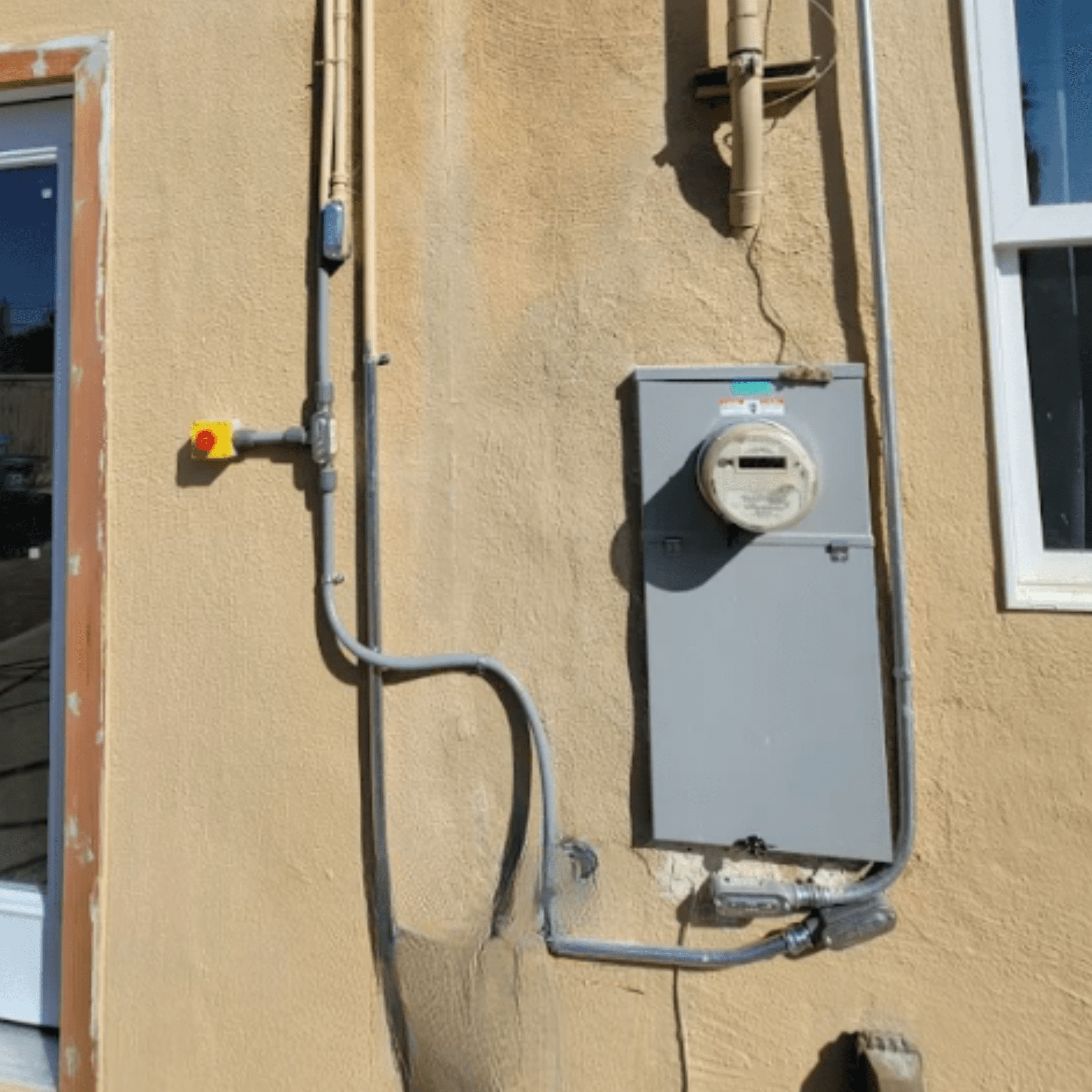
Some homes may already have sufficient electrical capacity, while others may benefit from electrical upgrades before installing charging equipment.
Planning ahead also helps homeowners who may later decide to add:
- Residential solar
- Battery storage
- A second EV charger
- Additional electric appliances
Considering these future projects during the initial evaluation may reduce the need for additional electrical modifications later.
By understanding charging habits, electrical capacity, future energy goals, and everyday convenience, homeowners can make more informed decisions about whether a home EV charger, public charging, or a combination of both best supports their lifestyle.
Comparison Table: Home EV Charging vs. Public Charging
Choosing between a home EV charger and public charging isn’t simply about charging speed—it also involves convenience, daily driving habits, long-term costs, and how well each option fits your lifestyle. Many Santa Clara homeowners ultimately use both, but understanding the strengths of each can help determine which should become your primary charging method.
| Feature | Home EV Charger | Public Charging |
| Daily Convenience | ★★★★★ | ★★★☆☆ |
| Charge While Sleeping | ✓ | No |
| Commute Ready Every Morning | ✓ | Depends on charging schedule |
| Waiting for an Available Charger | No | Sometimes |
| Best for Daily Commuting | ✓ | Limited |
| Best for Long Road Trips | Limited | ✓ |
| Charging During Shopping or Work | No | ✓ |
| Supports Overnight Charging | ✓ | No |
| Charging Availability | Always available at home | Depends on station occupancy |
| Long-Term Convenience | High | Moderate |
For many EV owners, home charging becomes the primary solution for everyday driving, while public charging remains valuable for road trips, unexpected charging needs, or situations where home charging isn’t available.
Comparison Table: Which Charging Solution Fits Your Lifestyle?
| If You… | Home Charging May Be Best | Public Charging May Be Best |
| Drive to work every day | ✓ | |
| Have a dedicated garage or driveway | ✓ | |
| Prefer charging overnight | ✓ | |
| Frequently travel long distances | ✓ | |
| Live in an apartment without assigned parking | ✓ | |
| Want a fully charged vehicle every morning | ✓ | |
| Occasionally need fast charging while traveling | ✓ | |
| Plan to own multiple EVs in the future | ✓ |
Many homeowners discover that the most practical approach is not choosing one over the other-but using home charging for daily driving and public charging when traveling longer distances.
Home EV Charging Planning Checklist
Before scheduling an EV charger installation in Santa Clara, consider the following questions:
- Do you drive an electric vehicle daily?
- Do you have a garage or dedicated driveway parking?
- Would overnight charging make your routine more convenient?
- Has your home’s electrical panel been professionally evaluated?
- Are you planning to install residential solar in the future?
- Would battery storage be part of your long-term energy plan?
- Do you expect to purchase another EV within the next few years?
- Have you determined the best charger location?
- Do you understand local permitting requirements?
- Have you discussed your future energy goals with a licensed electrical contractor?
Answering these questions before purchasing charging equipment can help ensure your home’s electrical system is prepared for both current and future needs.
Frequently Asked Questions
1. Is a home EV charger worth installing?
For homeowners who drive regularly, a home EV charger provides convenient overnight charging and allows the vehicle to start each day with a full battery.
2. Is home charging cheaper than public charging?
Charging costs vary depending on electricity rates and charging network pricing. Many homeowners choose home charging because it offers greater convenience for everyday use while public charging is often reserved for travel.
3. Is home EV charging better than public charging?
Home charging is generally more convenient for daily commuting because your vehicle charges while you’re at home. Public charging is valuable for road trips, workplace charging, and situations where home charging isn’t available.
4. How long does public EV charging take?
Charging time depends on the charger type, vehicle, battery size, and current state of charge. DC fast chargers and Tesla Superchargers are significantly faster than Level 2 public chargers.
5. How fast is a Level 2 home charger?
A Level 2 home charger provides much faster charging than a standard household outlet, making it suitable for overnight charging and daily commuting.
6. Can I install a Tesla Wall Connector if I don’t drive a Tesla?
Some Tesla Wall Connector models support compatible non-Tesla electric vehicles. Compatibility depends on the charger model and connector configuration.
7. Do I need a permit in Santa Clara for a home EV charger?
Most residential EV charger installations require permits and inspections. Requirements vary depending on the installation and local building regulations.
8. Can I install two EV chargers at my home?
Yes. Many homes can support two chargers, but a licensed electrical contractor should first evaluate the home’s electrical capacity.
9. Can I charge my EV using solar panels?
Yes. Many homeowners pair residential solar with home EV charging to support their household energy needs and reduce reliance on grid electricity.
10. Can battery storage work with a home EV charger?
Battery storage may be incorporated into a home’s electrical system depending on the equipment, system design, and homeowner’s energy goals.
11. Can I rely only on public charging?
Yes, some drivers do. However, homeowners with dedicated parking often find that home charging provides greater convenience for everyday driving.
12. What should I consider before installing a home EV charger?
Homeowners should consider electrical panel capacity, charger location, daily driving habits, future vehicle plans, and whether they may later add solar panels or battery storage.
13. Will my home’s electrical system support a Level 2 charger?
Every home is different. A professional electrical evaluation can determine whether your existing electrical system can safely support a Level 2 charger or if upgrades should be considered.
14. Should I install a home EV charger before buying an electric vehicle?
Many homeowners choose to plan both together so the charger is ready when the vehicle arrives, although the timing depends on individual circumstances.
15. Why should I schedule a professional electrical evaluation before purchasing an EV charger?
A professional evaluation helps determine the appropriate charger location, available electrical capacity, permitting requirements, and whether your home’s electrical system can support current and future energy needs safely.
Key Takeaways
- Home charging and public charging each serve different purposes for EV owners.
- A Level 2 home charger offers convenient overnight charging for many daily commuters.
- Public charging networks such as Tesla Superchargers, ChargePoint, and Electrify America are valuable for road trips and charging away from home.
- Every home’s electrical system is different, making professional planning an important part of EV charger installation.
- Thinking ahead about future solar, battery storage, and additional EVs can help homeowners develop a long-term energy strategy.
Planning Your EV Charger Installation in Santa Clara
Whether you’re purchasing your first electric vehicle or looking to improve your existing charging setup, choosing the right charging solution starts with understanding your home’s electrical system.
Before purchasing charging equipment or scheduling installation, consider having your electrical infrastructure professionally evaluated. A licensed electrical contractor can assess your panel capacity, charging location, future expansion plans, and long-term energy goals to help determine the most appropriate solution for your home.
Schedule Your Home EV Charging Assessment
Thinking about installing a home EV charger but not sure where to start?
Every home has different electrical capacity, driving habits, and future energy goals. Before purchasing charging equipment, it’s helpful to understand whether your home’s electrical system is ready for a Level 2 EV charger and whether future upgrades such as residential solar, battery storage, or additional EV chargers should be considered as part of a long-term plan.
Schedule a no-obligation EV charging assessment with Nabu Energy. We’ll evaluate your electrical panel, discuss your future energy goals, and recommend a charging solution tailored to your home without commission-based sales pressure.
Whether you’re planning for your first EV or preparing your home for future electrification, our licensed California electrical experts are here to help you make an informed decision.
Why Homeowners Choose Nabu Energy
Nabu Energy is a licensed California electrical contractor serving homeowners throughout Santa Clara and the Bay Area with home EV charger installation, electrical panel upgrades, residential solar, and battery storage solutions.
The company follows a Zero Sales Commission business model, allowing recommendations to focus on each home’s electrical infrastructure, driving habits, and future energy goals rather than sales incentives.
Whether you’re installing your first Level 2 home charger, preparing for additional EVs, or planning future solar and battery storage, Nabu Energy designs solutions based on your property’s specific requirements and long-term plans.
Whether your daily commute takes you toward the Intel campus, Apple Park, downtown San Jose, or other parts of Silicon Valley, selecting the right EV charging solution starts with understanding your home’s electrical system and your everyday driving habits.
⭐⭐⭐⭐⭐ Tailored Design Without High-Pressure Sales
“I chose Nabu Energy for our home’s solar installation because they offered the best combination of value and premium equipment. Unlike other companies that relied on high-pressure sales tactics, Nabu approached the project like a true partner, designing a system tailored specifically to our home’s needs. The installation crew was professional, left everything clean, and the system has performed exactly as expected. If you’re looking for a knowledgeable Bay Area energy team that genuinely puts homeowners first, I highly recommend Nabu Energy.”
-Verified Bay Area Homeowner
Helpful Resources for EV Owners
For homeowners interested in learning more about electric vehicle charging, home electrification, and residential electrical planning, these organizations provide valuable educational information:
- U.S. Department of Energy – Alternative Fuels Data Center (AFDC) – Information on EV charging levels, charging equipment, and alternative fuel infrastructure.
- PG&E– Residential EV charging programs, electrical service information, and home energy resources.
- California Energy Commission (CEC) – Resources on transportation electrification, clean energy, and residential energy planning.
- ENERGY STAR® – Information about energy-efficient homes and electrical upgrades.
- California Contractors State License Board (CSLB) – Consumer guidance for hiring licensed electrical contractors and verifying California licenses.
Disclaimer
This article is provided for general informational purposes only and should not be considered legal, financial, tax, engineering, or electrical advice. EV charger installation requirements, electrical panel capacity, permitting, equipment compatibility, utility requirements, and applicable building codes vary depending on the property, local jurisdiction, and manufacturer. Homeowners should consult a licensed California electrical contractor and obtain all required permits before installing EV charging equipment.
About the Author
Author: Nabu Energy Editorial Team
Position: Residential EV Charging & Home Electrification Education Team
Technically Reviewed By: California C-10 Licensed Electrical Contractor