
Why More Sunnyvale Homeowners Are Planning for Power Outages
Reliable electricity has become essential for modern households. From remote work and online learning to home security systems, internet connectivity, refrigeration, and electric vehicle charging, many daily activities depend on a continuous power supply. When a power outage occurs, even for a few hours, it can disrupt work, communication, and everyday routines.
For homeowners in Sunnyvale, where many households rely on electricity for an increasing number of devices and appliances, planning for power interruptions has become an important part of long-term home energy management. Whether caused by severe weather, equipment failures, scheduled maintenance, or Public Safety Power Shutoff (PSPS) events, outages can occur unexpectedly and vary in duration.
While homeowners cannot prevent every outage, they can evaluate how prepared their home is before one occurs.
Understanding the Difference Between a Power Outage and a PSPS Event
Not every interruption to electric service has the same cause.
A power outage is a general loss of electricity that may result from equipment failures, vehicle accidents involving utility infrastructure, storms, construction activities, or other unforeseen events.
A Public Safety Power Shutoff (PSPS) is a planned outage initiated by PG&E during periods of elevated wildfire risk. The utility may implement a PSPS when forecasts indicate conditions such as strong winds, low humidity, dry vegetation, and other weather factors that could increase the likelihood of utility equipment contributing to wildfire ignition.
Understanding this distinction helps homeowners plan for different situations. Some outages happen without warning, while PSPS events may include advance notifications from the utility.
Homeowners can monitor active and planned Public Safety Power Shutoff events, view affected areas, and receive the latest updates through PG&E PSPS Updates
Regardless of the cause, homeowners often ask the same question:
“How can I keep essential parts of my home operating when utility power is unavailable?”
Why Outage Preparedness Matters for Sunnyvale Homes
Sunnyvale is known for its technology-driven community, high rate of remote work, and growing adoption of electric vehicles and smart home technology. As households become more electrified, temporary interruptions in electrical service can affect more than just lighting.
Many homeowners rely on electricity for:
- Internet routers and networking equipment
- Home office computers
- Refrigerators and freezers
- Medical equipment
- Security and camera systems
- Garage door openers
- Electric vehicle charging
- Smart home automation devices
The more a household depends on electricity, the more important it becomes to think about outage preparedness before an emergency occurs.
Current Energy Trends Affecting Bay Area Homeowners
Several statewide energy trends are influencing how homeowners think about backup power and long-term energy planning.
- Residential battery adoption continues to grow. California has become the nation’s largest residential battery storage market as more homeowners pair batteries with new and existing rooftop solar systems. The rapid expansion has been driven by changing utility rate structures, increased interest in backup power, and broader home electrification trends.
Source: California Energy Commission; Wood Mackenzie U.S. Energy Storage Monitor.
Homeowners interested in California’s clean energy initiatives, battery storage growth, and statewide energy planning can find additional information from the California Energy Commission
- Electric vehicle ownership is increasing across California. According to the California Energy Commission, more than 2 million zero-emission vehicles have been sold in California, with the state continuing to lead the U.S. in EV adoption. As more households add EV charging, reliable home electricity has become an increasingly important consideration.
- PSPS events are intended to reduce wildfire risk. PG&E may implement Public Safety Power Shutoff (PSPS) events when forecasts indicate combinations of strong winds, low humidity, dry vegetation, and other weather conditions that increase the potential for wildfire ignition from electric infrastructure. The utility evaluates weather forecasts, vegetation conditions, and real-time field observations before making these decisions.
These broader trends do not mean every Sunnyvale homeowner will experience extended outages or require battery storage, but they illustrate why many households are evaluating their home’s electrical resilience as part of future energy planning.
Evaluating Your Home’s Backup Power Needs
Not every homeowner has the same expectations during a power outage.
Some households simply want to keep essential appliances operating until utility service returns. Others may prefer to support home offices, internet connectivity, or additional household loads.
Before evaluating backup power options, homeowners should identify which electrical circuits are most important during an outage.
Examples of commonly prioritized circuits include:
- Refrigerator and freezer
- Internet modem and Wi-Fi equipment
- Selected lighting circuits
- Medical equipment
- Security systems
- Garage door opener
- Kitchen outlets
- Home office equipment
Determining these priorities early helps guide system design and equipment selection.
Where Residential Solar Fits Into Outage Planning
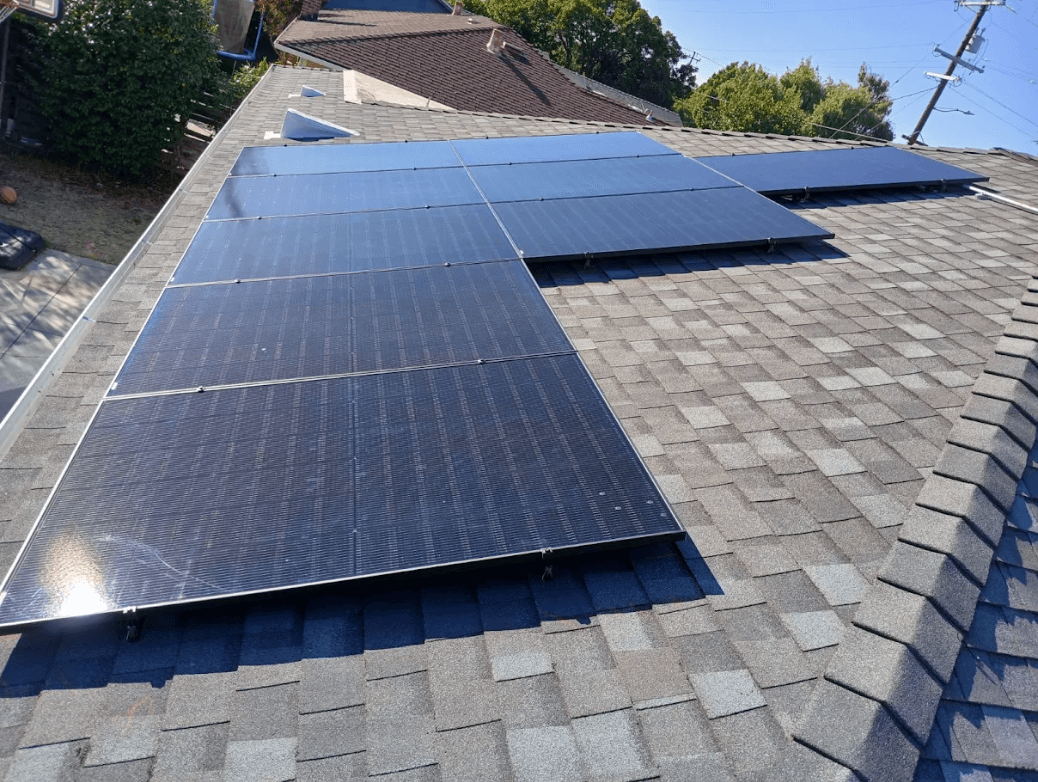
Many homeowners assume that installing solar panels alone automatically provides electricity during a utility outage.
In reality, most grid-connected residential solar systems are designed to shut down during an outage unless they are paired with compatible backup equipment. This safety feature helps protect utility workers and comply with electrical safety requirements.
Solar continues to generate electricity during normal operation, but maintaining backup power during an outage typically requires additional system components, depending on the equipment configuration and project design.
Understanding how a home’s solar system is designed is an important step when planning for backup power.
How Battery Storage Can Support Outage Preparedness
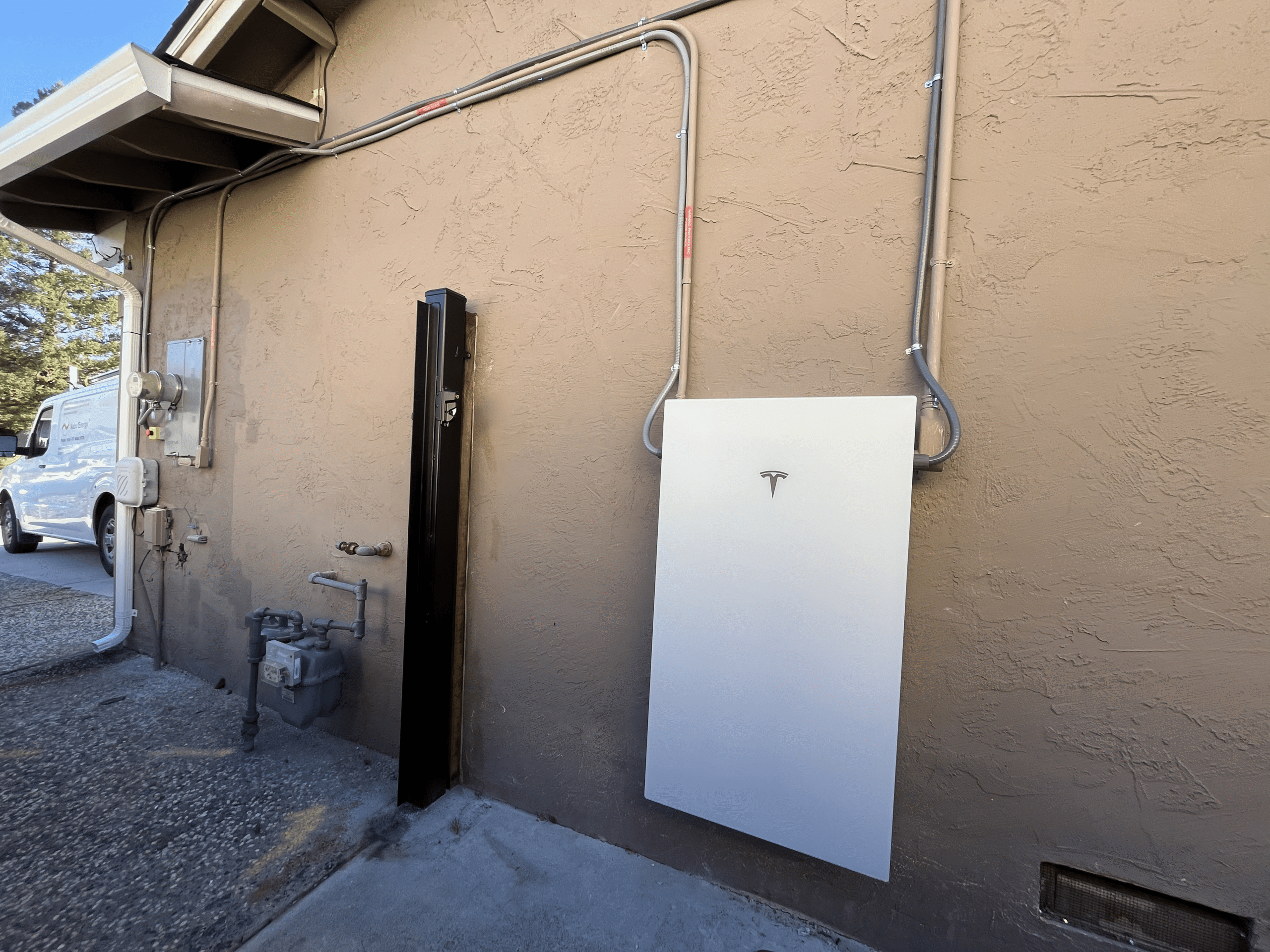
Battery storage systems are increasingly becoming part of residential energy planning because they can provide stored electricity for selected household circuits when utility power is unavailable, depending on the system design and installation.
Homeowners may consider battery storage for several reasons, including:
- Supporting selected circuits during qualifying outages
- Integrating with a new or existing solar system
- Preparing for future home electrification
- Supporting electric vehicle ownership
- Improving overall energy flexibility
The appropriate battery configuration varies from one home to another. Homeowners who want to learn more about how energy storage supports residential electricity resilience and the broader electric grid can explore educational resources from the U.S. Department of Energy’s Energy Storage program. Factors such as household electricity usage, backup priorities, electrical service capacity, and future plans all influence the recommended system design.
Homeowner Experience
⭐⭐⭐⭐⭐ Battery Backup Planning & Installation
“Nabu installed two Tesla batteries and a Gateway for my home, and the entire experience was excellent. Their engineering-focused team explained the different configuration options clearly, the installation was clean and professional, and their ongoing support—even after a battery replacement—was exceptional. I’d recommend them without hesitation.”
– Verified Bay Area Homeowner
Selecting Critical Backup Circuits
One of the most important planning decisions is determining which parts of the home should receive backup power.
Rather than attempting to power every electrical load, many homeowners choose to prioritize essential circuits based on their daily needs.
| Household Priority | Often Considered for Backup |
| Food preservation | Refrigerator and freezer |
| Communication | Internet modem and Wi-Fi |
| Safety | Interior lighting and security systems |
| Health | Approved medical equipment |
| Convenience | Garage door opener |
| Productivity | Home office equipment |
Every household is different, and backup priorities should reflect the homeowner’s lifestyle and energy requirements.
Sunnyvale Homes Have Different Electrical Considerations
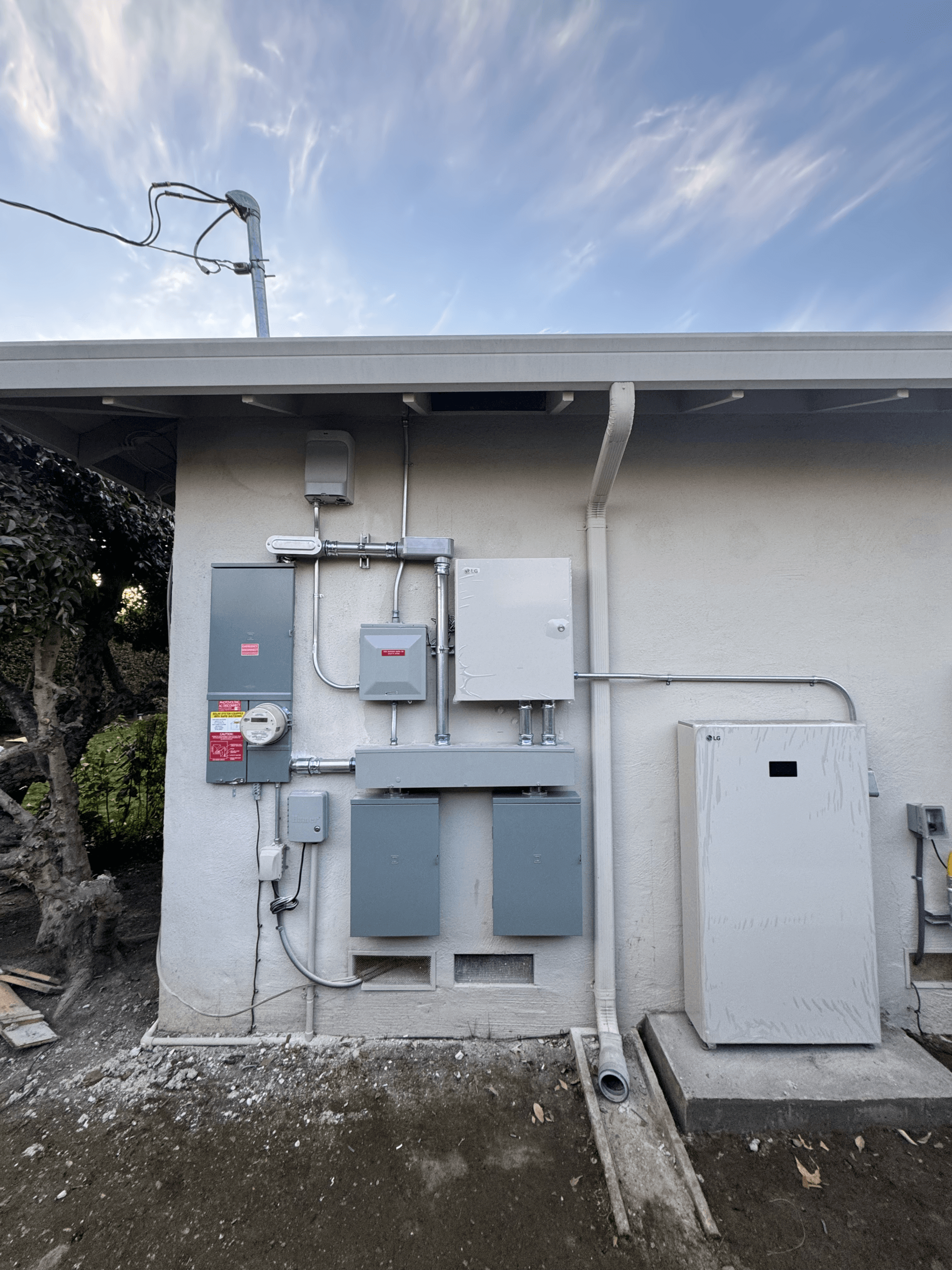
Sunnyvale includes neighborhoods with homes built across several decades. As a result, electrical infrastructure can vary significantly from one property to another.
Some homes may already have modern electrical panels that can support additional energy equipment, while others may require upgrades before installing solar, battery storage, or EV charging systems.
During the planning process, homeowners should evaluate:
- Existing electrical service capacity
- Current electrical panel configuration
- Existing solar equipment, if applicable
- Available installation space
- Future electrification plans
- Local permitting requirements
Evaluating these factors early helps homeowners understand potential project requirements before selecting equipment.
Planning Today for Tomorrow’s Energy Needs
Many homeowners begin researching backup power because of a recent outage, but long-term planning often extends beyond emergency preparedness.
Questions worth considering include:
- Will your household purchase an electric vehicle in the coming years?
- Are you planning to replace gas appliances with electric alternatives?
- Will your home office continue to require reliable internet and electricity?
- Are you considering adding solar in the future?
- Could your household electricity usage increase over time?
Answering these questions can help homeowners develop a more comprehensive energy strategy rather than addressing one project at a time.
Choosing the Right Installer
Preparing a home for backup power involves more than selecting equipment. Proper planning requires evaluating the home’s electrical infrastructure, understanding local permitting requirements, and designing a system that aligns with the homeowner’s priorities.
When comparing installers, homeowners should consider:
- Experience with residential solar and battery storage
- In-house system design
- In-house installation teams
- Knowledge of Sunnyvale permitting requirements
- Contractor licensing
- Warranty coverage
- Long-term service and support
Requesting multiple written proposals allows homeowners to compare not only equipment recommendations but also differences in project scope, design approach, and installation methodology.
⭐⭐⭐⭐⭐ Long-Term Service & Support
“Nabu Energy installed a battery backup system for my existing solar roof. When the inverter manufacturer delayed a replacement, Nabu stayed involved throughout the process, worked directly with the manufacturer, and even reimbursed me for additional electricity costs. Their commitment to customer support went far beyond installation.”
– Verified Bay Area Homeowner
How to Prepare Your Home Before the Next Power Outage
The best time to prepare for a power outage is before one occurs. Homeowners can also use the PG&E Outage Center to check outage information, safety alerts, and emergency preparedness resources before and during service interruptions. Whether an outage lasts a few minutes or several hours, having a plan in place can reduce disruption and help protect essential household functions.
Before considering any energy equipment, homeowners should evaluate:
- Which appliances are most important during an outage?
- How much electricity do those appliances typically require?
- Does the home already have a solar system?
- Is the existing electrical panel capable of supporting additional equipment?
- Are there future plans to add an electric vehicle or other electric appliances?
Understanding these factors helps create a backup strategy that aligns with the home’s current and future energy needs.
Comparison Table: Solar, Battery Storage, or Both?
| Homeowner Goal | Solar | Battery Storage |
| Generate electricity during daylight hours | ✓ | — |
| Backup selected circuits during an outage | Limited | ✓ |
| Store available solar energy | — | ✓ |
| Support future EV charging | ✓ | ✓ |
| Improve household energy flexibility | Partial | Partial |
| Prepare for long-term home electrification | ✓ | ✓ |
| Reduce dependence on utility-supplied electricity | ✓ | Partial |
The most suitable option depends on the home’s electrical configuration, energy usage, and long-term goals.
Comparison Table: Planning for Backup Power
| Questions | Why It Matters |
| Which appliances do you want operating during an outage? | Determines which circuits may need backup power. |
| Do you already have rooftop solar? | Helps evaluate compatibility with battery storage. |
| Is your electrical panel capable of supporting new equipment? | Some homes may require electrical upgrades. |
| Will your household electricity demand increase in the future? | Helps plan for EV charging and home electrification. |
| Is backup power or long-term energy planning your primary goal? | Influences system design and equipment selection. |
Homeowner Outage Preparedness Checklist
- Before the next power outage, consider reviewing the following:
- Identify essential appliances and circuits.
- Keep emergency lighting and flashlights readily available.
- Ensure mobile devices have backup charging options.
- Review your home’s electrical panel capacity.
- Evaluate whether your existing solar system is compatible with battery storage.
- Consider future electrical needs such as EV charging or heat pump installation.
- Request multiple written proposals before investing in any residential energy system.
Frequently Asked Questions
1. Why do PG&E power outages occur?
Power outages can result from equipment failures, severe weather, vehicle accidents, scheduled maintenance, or Public Safety Power Shutoff (PSPS) events intended to reduce wildfire risk.
2. What is the difference between a power outage and a PSPS event?
A standard power outage is typically caused by equipment failures, weather, vehicle accidents, or other unexpected events. A Public Safety Power Shutoff (PSPS) is a preventive outage initiated by PG&E during periods of elevated wildfire risk when weather and environmental conditions could increase the likelihood of utility equipment contributing to wildfire ignition.
3. Does Sunnyvale experience power outages?
Like many communities served by PG&E, Sunnyvale can experience localized outages caused by equipment issues, weather, maintenance activities, or other factors. The frequency and duration vary depending on location and circumstances.
4. Can solar panels keep my home powered during an outage?
Not necessarily. Most grid-connected residential solar systems automatically shut down during an outage unless they are installed with compatible backup equipment and configured for backup operation.
5. Why are batteries often paired with residential solar?
Battery storage allows available electricity to be stored for later use. When properly designed, a battery system can support selected household circuits during qualifying outages.
6. Can I add a battery to my existing solar system?
In many cases, yes. Compatibility depends on the existing equipment, inverter type, electrical panel, and overall system design.
7. How long can a battery provide backup power?
Backup duration varies depending on battery capacity, household electricity usage, and which appliances or circuits are operating during an outage.
8. Will my entire home operate on battery backup?
Not always. Many homeowners choose to prioritize essential circuits rather than backing up every electrical load. The appropriate design depends on the home’s energy requirements.
9. Can a battery power my air conditioner?
It depends on the battery capacity, system design, and the electrical requirements of the air conditioning system. This should be evaluated during the design process.
10. What appliances are commonly selected for backup?
Common priorities include refrigerators, internet equipment, lighting, garage door openers, selected kitchen outlets, security systems, and approved medical equipment.
11. Do older Sunnyvale homes require electrical upgrades?
Some homes may require electrical upgrades before new energy equipment can be installed. This depends on the property’s existing electrical service and equipment.
12. Can I install a battery without installing solar?
Some battery systems can be installed independently of solar. The most appropriate solution depends on the home’s energy objectives and electrical configuration.
13. Should I plan for future EV charging now?
If you anticipate purchasing an electric vehicle, discussing future charging requirements during the design process may help ensure your home’s electrical system can accommodate additional demand.
14. Why should I compare multiple proposals?
Comparing multiple proposals allows homeowners to evaluate differences in equipment, project scope, warranties, contractor experience, and long-term service before making a decision.
15. How do I determine the right backup solution for my home?
A professional evaluation of your home’s electrical system, current energy usage, future plans, and backup priorities can help determine the most appropriate solution.
Key Takeaways
- Power outages and PSPS events are different, but both can affect daily life.
- Preparing before an outage occurs helps homeowners better understand their backup power needs.
- Solar panels, battery storage, electrical upgrades, and EV charging can be evaluated as part of a long-term home energy strategy.
- Every home has different electrical requirements, so system design should be based on the property’s specific characteristics.
- Working with a licensed California electrical contractor and comparing multiple proposals can help homeowners make informed decisions.
Preparing for power outages involves more than just choosing solar panels or a battery system; it requires understanding how your home’s electrical infrastructure, current energy use, and future plans work together. By evaluating your backup power priorities before an outage occurs, you can make informed decisions that support your household’s long-term energy needs. Whether you’re exploring solar for the first time, considering battery storage for an existing system, or planning for future electrification, a professional home energy evaluation can help you identify the solutions that best fit your property and goals.
⭐⭐⭐⭐⭐ Professional Installation
“We chose Nabu for our battery installation, and they also identified code violations in our existing solar system and guided us through getting everything corrected. The team was knowledgeable, communicated regularly, completed the work on schedule, and handled the entire process professionally.”
– Verified Bay Area Homeowner
Why Homeowners Choose Nabu Energy
Nabu Energy is a licensed California electrical contractor serving homeowners throughout Sunnyvale and the Bay Area with residential solar, battery storage systems, electrical upgrades, and EV charging solutions.
The company completes both system design and installation using its in-house teams, helping provide a coordinated experience from the initial consultation through project completion.
Nabu Energy follows a Zero Sales Commission business model, allowing recommendations to focus on each home’s electrical configuration, backup priorities, and long-term energy goals rather than sales incentives.
The company also maintains a manufacturer-agnostic approach and specializes in solutions from Tesla, Enphase, and SolarEdge, helping homeowners evaluate equipment based on compatibility, performance objectives, and overall project requirements rather than recommending a single brand for every installation.
Homeowners researching residential solar, battery storage, and utility-related consumer protections may also find helpful information from the California Public Utilities Commission (CPUC), which regulates investor-owned electric utilities, including PG&E, throughout California.
Disclaimer
This article is provided for general informational purposes only and should not be considered legal, financial, tax, or engineering advice. Power outage frequency, utility operations, battery performance, solar production, available equipment, permitting requirements, installation timelines, and applicable building codes vary by property, utility provider, manufacturer, and local jurisdiction. Homeowners should obtain multiple written proposals, verify contractor licensing, review all contract terms carefully, and consult a licensed California contractor before making any purchasing decision.